


Dr. Biswajit Mondal, PhD (Optometry)
Professor and Head, Department of Optometry, Principal, NSHM College of Management and Technology, Durgapur, India
Abstract
The landscape of Optometry has evolved significantly over the past two decades, transforming from a primarily refractive service into a comprehensive, technology-driven, patient-centred healthcare profession. (1-3) Building a successful Optometry practice today requires a balanced integration of clinical excellence, strategic planning, ethical leadership, and continuous professional development. (2,4) Drawing upon insights from both clinical practice and academic leadership, this article outlines the essential pillars that contribute to a sustainable, reputable, and growth-oriented Optometry practice. It aims to guide early-career Optometrists, practitioners, and educators in developing practices that deliver high-quality vision care while adapting to the dynamic demands of modern healthcare.
The Foundation: Vision, Values, and Professional Identity
Every successful Optometry practice begins with a clearly defined vision. A practice without direction often struggles to differentiate itself in an increasingly competitive healthcare environment.(5,6) Whether the objective is to deliver comprehensive primary eye care, focus on speciality services, or serve as a community-centred vision wellness hub, clarity of purpose shapes decision-making and long-term growth.
Key elements include:
- Defining a mission that addresses the specific visual and ocular health needs of the community. (5)
- Establishing core professional values such as ethical practice, precision, empathy, and lifelong learning.(6,7)
- Developing a strong professional identity through consistent clinical standards and communication.
A practice grounded in clear values builds patient trust and professional credibility over time. (6,7)
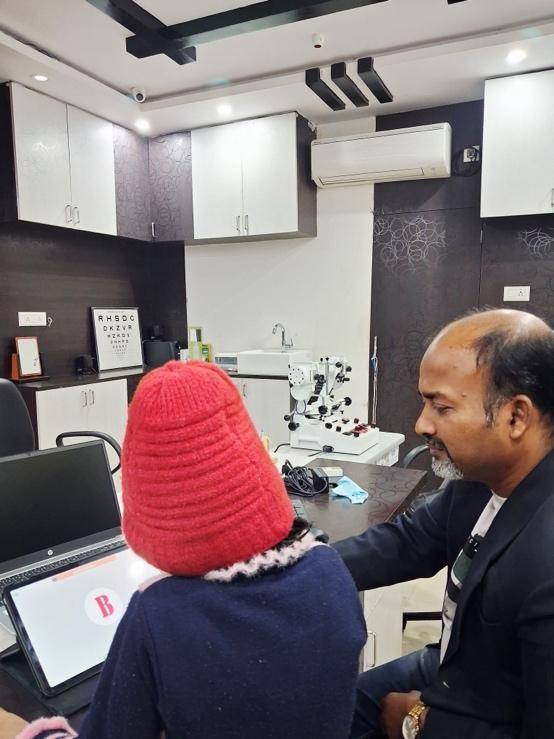

Figure 1: An Optometry Practice
Image Courtesy:
Captured by Author
Clinical Excellence: The Cornerstone of Reputation
Clinical competence remains the backbone of Optometric success. Patients seek Optometrists not only for refractive correction but also for comprehensive eye health evaluation and long-term visual care. (8-10) Accurate diagnosis, effective management, and appropriate referrals directly influence patient outcomes and satisfaction.
(9,11)
Essentials of clinical excellence include:
- Comprehensive eye examinations following standardised protocols.(8,11)
- Accurate refraction and precise dispensing.(10)
- Proficiency in binocular vision assessment and contact lens fitting. (10,20)
- Early detection of ocular and systemic conditions through routine screening. (9,11)
- Evidence-based clinical decision-making and inter-professional collaboration. (12)
A practice that prioritises quality and consistency naturally builds a strong reputation and referral network.(8,12)


Figure 2: An Optometric Procedure in Clinic
Image Courtesy:
https://www.pexels.com/photo/a-doctor-using-a-medical-device-5996654/
Technology Integration: Elevating Precision and Patient Experience
Modern Optometry is increasingly technology-driven. Strategic investment in diagnostic and management tools enhances both clinical accuracy and patient confidence. (13-15)
Essential technologies include:
- Auto-refractors, Non-Contact Tonometers (NCT), and digital slit lamps. (13)
- Optical Coherence Tomography (OCT), fundus photography, and corneal topography. (13-15)
- Low vision assessment kits and speciality contact lens trial sets. (19)
- Digital vision therapy and binocular vision systems. (20)
- Electronic Medical Record (EMR) systems for efficient, paperless workflow. (16)
Technology should be viewed not as an expense, but as a long-term investment that improves outcomes and operational efficiency. (15,16)
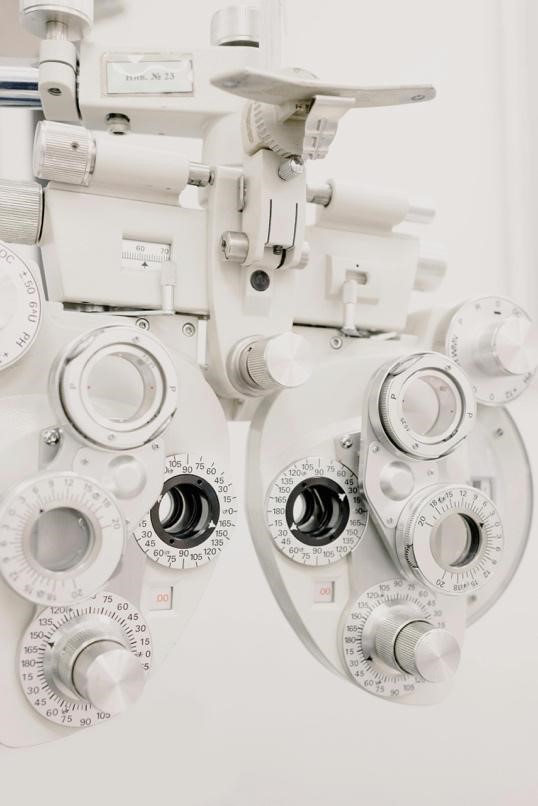

Figure 3: A Phoropter for Vision Testing
Image Courtesy:
https://www.pexels.com/photo/modern-device-phoropter-in-ophthalmology-clinic-5752241/
Speciality Services: Differentiating the Practice
- In an era of increasing patient awareness and rising visual demands, specialisation offers a strong competitive advantage. Speciality services allow Optometrists to address unmet needs while expanding the scope of practice. (17-20)
- High-value speciality areas include:
- Myopia Control and Paediatric vision care. (17)
- Orthokeratology (Ortho-K). (18)
- Scleral and Rigid Gas Permeable (RGP) lenses. (19)
- Vision Therapy and Binocular Vision Management. (20)
- Low Vision Rehabilitation. (31)
- Dry Eye and Ocular Surface Disease clinics. (14)
- Specialisation enhances professional satisfaction, positions the practice as a referral centre, and contributes significantly to sustainable growth. (18,21)


Figure 4: Speciality Optometry Clinic
Image Courtesy:
Captured by Author
Patient-Centric Care: The Heart of Practice Success
A successful Optometry practice is built on relationships. Patient-centric care goes beyond clinical outcomes to include communication, education, and emotional engagement. (22-24)
Principles of patient-centric care include:
- Active listening and empathetic interaction. (23,25)
- Clear explanation of diagnoses and management plans. (22)
- Transparency in treatment options and pricing. (24)
- Adequate examination time and personalised attention. (23)
- Follow-up care and continuity. (25)
Patients often remember how they were treated as individuals, making trust and loyalty key outcomes of patient-centred practice. (23,25)
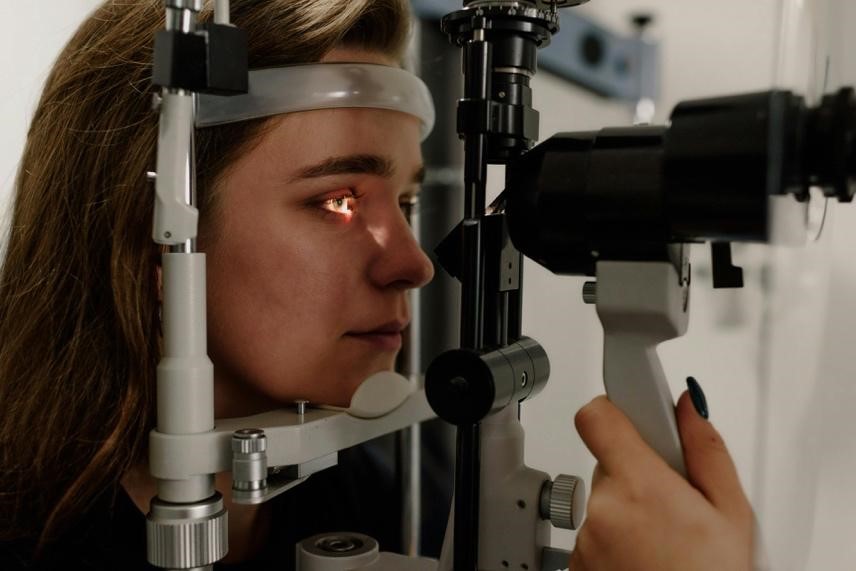

Figure 5: Slit Lamp Examination of the Eye
Image Courtesy:
https://www.pexels.com/photo/woman-testing-vision-on-microscope-5752281/
Seamless Optical Management: Bridging Care and Commerce
Optical dispensing is an integral extension of Optometric care. When aligned with clinical recommendations, it enhances patient satisfaction and practice viability. (26,27)
Key strategies include:
- Curated frame collections catering to diverse demographics. (27)
- High-quality lenses with appropriate coatings and designs. (26)
- Accurate measurements and dispensing protocols. (27,28)
- Skilled, well-trained optical staff. (28)
- Reliable delivery timelines and after-sales service. (27)
A well-managed optical section reinforces the clinical image of the practice rather than detracting from it. (26,27)


Figure 6: An Optical Outlet
Image Courtesy:
Captured by Author
Marketing, Branding, and Community Engagement
Visibility is essential for growth. Ethical and educational marketing builds credibility while informing the public about available services. (29,30)
Effective approaches include:
- Maintaining an updated, informative website. (29)
- Using social media for patient education and awareness. (29)
- Highlighting new technologies and speciality services. (30)
- Conducting community outreach programs and vision screening camps. (31)
- Collaborating with schools, industries, and local organisations. (31)
Community engagement positions the Optometrist as a trusted healthcare professional rather than merely a service provider. (30,31)
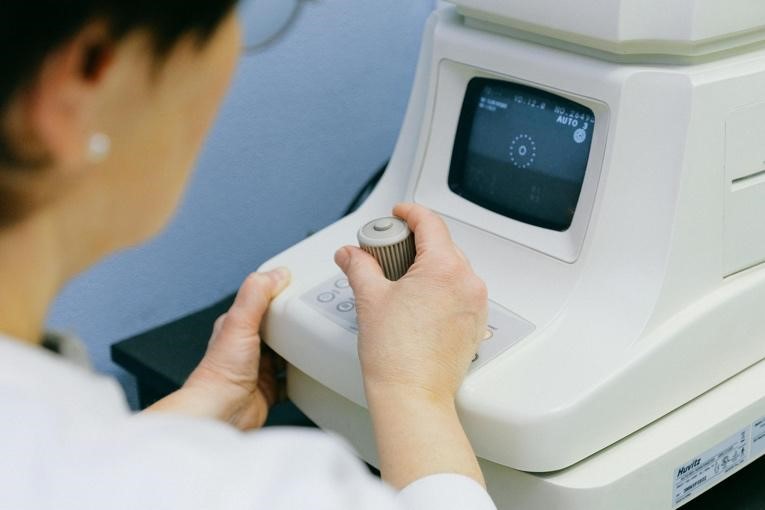

Figure 7: An Optometrist Conducting Eye Examination
Image Courtesy:
https://www.pexels.com/photo/eye-clinic-3846007/
Building and Leading a High-Performing Team
A practice’s success depends heavily on its people. Skilled, motivated staff ensure smooth operations and enhance patient experience. (32-34)
Leadership essentials include:
- Clearly defined roles and responsibilities. (32)
- Regular training and professional development. (33)
- Supportive and inclusive workplace culture. (33,35)
- Open communication and constructive feedback. (32)
- Recognition and appreciation of staff contributions. (34)
Effective leadership fosters teamwork, accountability, and long-term staff retention. (33-35)


Figure 8: Effective Teamwork
Image Courtesy:
Captured by Author
Financial Planning and Practice Management
Clinical excellence must be supported by sound management practices. Financial discipline ensures stability and enables reinvestment. (36-38)
Core management components include:
- Budgeting for equipment, staffing, and upgrades. (36)
- Inventory control and vendor management. (37)
- Transparent pricing and billing systems. (36)
- Monitoring key performance indicators (KPIs). (38)
- Integration of EMR for administrative efficiency. (16,37)
Well-managed practices are better positioned to adapt to changing healthcare environments. (36,38)


Figure 9: : Efficient Management in Clinical Practice
Image Courtesy:
https://www.pexels.com/photo/man-and-woman-near-table-3184465/
Lifelong Learning: Sustaining Relevance and Innovation
Optometry is a rapidly evolving field. Continuous professional development is essential for maintaining competence and confidence. (39-41)
Commitment to lifelong learning includes:
- Attending conferences, workshops, and continuing education programs. (39)
- Engaging in clinical research and publications. (42)
- Academic collaboration and mentorship. (40)
- Training in emerging specialties and technologies. (41)
- Encouraging team-wide upskilling. (33)
An Optometrist who remains a learner stays relevant, innovative, and professionally fulfilled. (39-42)


Figure 10: Lifelong Learning
Image Courtesy:
https://www.pexels.com/photo/people-raising-their-hands-8197531/
Conclusion
Building a successful Optometry practice is a multi-faceted endeavour that extends far beyond clinical skill alone. It requires a strategic blend of professional vision, clinical excellence, technological integration, patient-centred care, ethical leadership, and continuous learning. (1-4) Insights drawn from both clinical practice and academic leadership demonstrate that sustainable success lies in balancing healthcare delivery with responsible management and community engagement. (30,36) When guided by strong values and informed decision-making, an Optometry practice evolves into a trusted healthcare destination, one that not only corrects vision but also transforms lives through quality eye care. (6,31)
References
- Kiely PM. Optometry and primary eye care: a global perspective. Clin Exp Optom. 2014;97(5):369–379.
- World Council of Optometry. A global competency-based model of scope of practice in optometry. St. Louis: World Council of Optometry; 2015.
- Resnikoff S, Pascolini D, Etya’ale D, Kocur I, Pararajasegaram R, Pokharel GP, et al. Global magnitude of visual impairment caused by uncorrected refractive errors in 2004. Lancet. 2008;371(9606):19–26.
- Holden BA, Sankaridurg P, Smith E, Aller T, Jong M, He M. Myopia, an underrated global challenge to vision: where the current data takes us on myopia control. Eye. 2014;28(2):142–146.
- Drucker PF. Management: tasks, responsibilities, practices. New York: Harper & Row; 1974.
- College of Optometrists. Code of ethics and guidance for professional conduct. London: College of Optometrists; 2022.
- Beauchamp TL, Childress JF. Principles of biomedical ethics. 8th ed. New York: Oxford University Press; 2019.
- Elliott DB. Clinical procedures in primary eye care. 4th ed. Edinburgh: Elsevier Butterworth-Heinemann; 2014.
- Kanski JJ, Bowling B. Clinical ophthalmology: a systematic approach. 8th ed. Edinburgh: Elsevier; 2016.
- Benjamin WJ. Borish’s clinical refraction. 2nd ed. St. Louis: Butterworth-Heinemann; 2006.
- American Optometric Association. Comprehensive adult eye and vision examination. St. Louis: AOA; 2020.
- Frenk J, Chen L, Bhutta ZA, Cohen J, Crisp N, Evans T, et al. Health professionals for a new century: transforming education to strengthen health systems. Lancet. 2010;376(9756):1923–1958.
- Huang D, Swanson EA, Lin CP, Schuman JS, Stinson WG, Chang W, et al. Optical coherence tomography. Science. 1991;254(5035):1178–1181.
- Schuman JS, Puliafito CA, Fujimoto JG. Optical coherence tomography of ocular diseases. 3rd ed. Thorofare (NJ): Slack Inc; 2013.
- Read SA, Collins MJ, Vincent SJ. Light exposure and eye growth in childhood. Clin Exp Optom. 2015;98(4):295–304.
- Menachemi N, Collum TH. Benefits and drawbacks of electronic health record systems. Health Care Manage Rev. 2011;36(1):47–55.
- Wildsoet CF, Chia A, Cho P, Guggenheim JA, Polling JR, Read S, et al. IMI – Interventions for controlling myopia onset and progression. Invest Ophthalmol Vis Sci. 2019;60(3):M106–M131.
- Swarbrick HA. Orthokeratology review and update. Eye Contact Lens. 2006;32(4):181–185.
- Schornack MM. Scleral lenses: a literature review. Eye Contact Lens. 2015;41(1):3–11.
- Scheiman M, Wick B. Clinical management of binocular vision: heterophoric, accommodative, and eye movement disorders. 4th ed. Philadelphia: Lippincott Williams & Wilkins; 2014.
- Porter ME. What is strategy? Harv Bus Rev. 1996;74(6):61–78.
- Epstein RM, Street RL. The values and value of patient-centered care. Ann Fam Med. 2011;9(2):100–103.
- Stewart M, Brown JB, Donner A, McWhinney IR, Oates J, Weston WW, et al. The impact of patient-centered care on outcomes. J Fam Pract. 2000;49(9):796–804.
- Barry MJ, Edgman-Levitan S. Shared decision making—the pinnacle of patient-centered care. N Engl J Med. 2012;366(9):780–781.
- Mercer SW, Reynolds WJ. Empathy and quality of care. Br J Gen Pract. 2002;52(Suppl):S9–S12.
- Brooks CW, Borish IM. System for ophthalmic dispensing. 3rd ed. Oxford: Butterworth-Heinemann; 2007.
- Jalie M. Ophthalmic lenses and dispensing. 3rd ed. Oxford: Butterworth-Heinemann; 2008.
- Association of British Dispensing Opticians. Professional standards for dispensing opticians. London: ABDO; 2021.
- Kotler P, Shalowitz J, Stevens RJ. Strategic marketing for health care organizations. San Francisco: Jossey-Bass; 2008.
- American Optometric Association. Optometric practice management guidelines. St. Louis: AOA; 2019.
- World Health Organization. World report on vision. Geneva: WHO; 2019.
- Goleman D. Leadership that gets results. Harv Bus Rev. 2000;78(2):78–90.
- West M, Armit K, Loewenthal L, Eckert R, West T, Lee A. Leadership and leadership development in healthcare. London: King’s Fund; 2015.
- Herzberg F, Mausner B, Snyderman BB. The motivation to work. 2nd ed. New York: Wiley; 1959.
- Maslow AH. Motivation and personality. 3rd ed. New York: Harper & Row; 1987.
- Gapenski LC, Pink GH. Understanding healthcare financial management. 7th ed. Chicago: Health Administration Press; 2015.
- Baker JJ. Health care finance: basic tools for nonfinancial managers. 5th ed. Burlington (MA): Jones & Bartlett; 2014.
- Kaplan RS, Norton DP. The balanced scorecard—measures that drive performance. Harv Bus Rev. 1992;70(1):71–79.
- General Optical Council. Continuing education and training requirements. London: GOC; 2023.
- Johnson GJ, Foster A. Continuing education in eye care. Community Eye Health. 2003;16(48):59–60.
- Institute of Medicine. Health professions education: a bridge to quality. Washington (DC): National Academies Press; 2003.
- Sackett DL, Rosenberg WM, Gray JA, Haynes RB, Richardson WS. Evidence based medicine: what it is and what it isn’t. BMJ. 1996;312(7023):71–72.
About the Author


Dr. Biswajit Mondal, is a Professor and Head of the Department of Optometry and Vision Science and Principal at NSHM College of Management and Technology, Durgapur, India. He holds a Bachelor’s and Master’s degree in Optometry, along with a PhD in Optometry, reflecting a strong academic foundation and commitment to evidence-based clinical practice.
Dr. Mondal has extensive experience in Optometry education, academic administration, and clinical practice. He is actively involved as an external examiner and head examiner for several state and central universities, contributing to curriculum development, assessment standards, and quality assurance in Optometry education across India. His academic interests include optometry education, specialty Contact Lenses, Myopia Management, Binocular Vision, and Low Vision Care.
In addition to his academic responsibilities, Dr. Mondal is a practicing Optometrist and serves as the Clinical Lead at Dr. Mondal’s Speciality Vision Care, Classic Eyewear, Durgapur, where he provides comprehensive primary and speciality eye care services. His clinical focus includes Contact Lenses, Orthokeratology, Myopia Control, Binocular Vision Assessment, and Low Vision Rehabilitation.
Dr. Mondal is a regular participant in national and international conferences, workshops, and continuing education programs, and is closely associated with initiatives that promote professional development and knowledge exchange among Optometrists, researchers, and students. His work reflects an integrated approach combining clinical excellence, academic leadership, and ethical practice, with a vision to advance Optometry education and practice in India.