


Dr. Alex Ong(1), (1)Managing Director and Senior Optometrist, Ong Optics and Myopia Management Centre, Singapore
Richie Huang(2), (2)Founder and Optometrist
2JD Optometry Group, Taiwan
When Slowing Down Is Not Enough
Modern Myopia Management has made significant progress through optical and pharmacological interventions such as Orthokeratology, Myopia Control Soft Lenses, Defocus Spectacle designs, and Low-Dose Atropine. Clinical trials consistently show 30–60% slowing of axial elongation over 2–3 years. (1)
But despite these advances, Myopia still progresses in many children. This plateau underscores the presence of critical upstream factors, the “missing puzzle piece” in current management, that shape ocular growth long before traditional interventions intervene.
Outdoor time has long been recognised as a key modifiable factor in Myopia prevention and management, supported by strong evidence linking bright light exposure to a lower risk of onset and slower progression. (2) The reason for it was hypothesised that daytime bright light stimulates dopamine release in the retina, particularly from amacrine cells. (3-5) Dopamine acts as a “stop signal” to axial elongation, helping maintain emmetropisation. But why is Myopia still not being able to be well managed even with aggressive outdoor time? We have long focused on outdoor time, but are we overlooking a crucial piece of the puzzle? Could sleep irregularities, circadian disruption, and nighttime light exposure play a strong role in shaping ocular growth more than we think?
We have long focused on outdoor time, but are we overlooking a crucial piece of the puzzle? Could sleep irregularities, circadian disruption, and nighttime light exposure play a strong role in shaping ocular growth more than we think?
“The Myopia Rhythm: Dopamine by Day, Melatonin by Night”
Emerging research suggests that the answer may lie in the interaction between light exposure, circadian rhythm, and neuromodulators, a relationship conceptualised as the dopamine–melatonin axis. (3–8) This axis links daytime outdoor light with retinal dopamine, and night-time darkness and sleep with melatonin, shaping the rhythm of ocular growth. Study has shown that melatonin secretion helps to align ocular tissues with circadian growth rhythms and guides scleral remodelling, which can help with preventing Myopia development. (7,8)
Is Your Child Having a “Break-Up” Relationship with Melatonin?
Sleep plays a critical regulatory role in neural and ocular development. Recent evidence shows a bidirectional association between poor sleep and negative emotional states in children, where poor nighttime sleep increases next-day negative affect, and end-of-day mood predicts poorer subsequent sleep. (9)
Chronic disruption of this rhythm affects white matter integrity in emotion-regulatory circuits, heightening vulnerability to mood disturbances. Children experiencing social-emotional difficulties often turn to electronic screens as a coping mechanism, further entrenching this cycle. (10)
Excessive evening screen exposure introduces blue light that suppresses melatonin, delays sleep onset, and desynchronises circadian rhythms. At the same time, reduced daytime outdoor exposure diminishes dopamine signalling, which plays a protective role against excessive axial elongation. This imbalance between dopamine (daytime) and melatonin (nighttime) weakens the natural light–dark regulatory axis governing ocular growth. Over time, this desynchrony may amplify susceptibility to Myopia onset and accelerate progression, especially in children with irregular sleep schedules and prolonged digital exposure. (11-12)
Poor Sleep Quality = Physiological Changes = Increased Screen Time
When children spend less time outdoors and more time exposed to indoor lighting or blue light from devices, this finely tuned rhythm is disturbed. Dopamine stimulation weakens, melatonin release is delayed or suppressed, and growth signals become desynchronised. (7,8,13,14)
| Factor | Neurochemical Effect | Impact on Eye Growth |
|---|---|---|
| Bright outdoor light | ↑ Dopamine | Suppresses axial elongation |
| Regular sleep and darkness | ↑ Melatonin | Synchronises diurnal rhythm |
| Late-night blue light | ↓ Melatonin | Circadian misalignment |
Table 1: This table shows the environmental influences on Dopamine–Melatonin signalling and their impact on axial elongation
Look Up to Slow Down: The Upstream Effect
Current optical and pharmacological strategies act downstream of the growth cascade, modifying the consequences of elongation. However, the dopamine–melatonin axis operates upstream, shaping the temporal and neurochemical environment that drives eye growth.
- Dopamine surges during daytime act as an anti-elongation signal. (3,4)
- Melatonin rhythms at night align remodelling and growth suppression. (7,8)
- Disrupted rhythms lead to asynchronous signals, tipping the balance toward axial elongation.
This helps explain why children with adequate outdoor time and regular sleep schedules often show slower Myopia onset and progression, even without intensive clinical treatment. (11–13)
The Missing Link in Current Myopia Control
Optical and pharmaceutical methods slow progression, but their effect plateaus. There has been a lot of emphasis on Lifestyle, which is a modifiable factor, and circadian rhythm interventions can act as complementary upstream modulators.
Why this matters clinically:
- Without resetting the dopamine–melatonin axis, we are treating the symptom, not the signal.
- Addressing upstream signalling may enhance the efficacy of optical and pharmaceutical methods.
- Circadian modulation may help prevent onset, not just slow progression.
This upstream–downstream integration mirrors other chronic conditions such as Hypertension and Diabetes, where medication is paired with lifestyle modification for best outcomes.
Bringing the Axis into Practice: The Clinical Outcome
Optometrists can act immediately to bring these findings to the clinic:
- Daytime: Recommend at least 2 hours of daily outdoor light exposure. (2)
- Nighttime: Emphasise regular sleep schedules and reduced blue light exposure before bed.
- Digital hygiene: Limit nighttime near work.
- Nutrition: Encourage anti-inflammatory dietary patterns.
- Lifestyle tracking: Include sleep and light exposure in patient history and follow-ups.
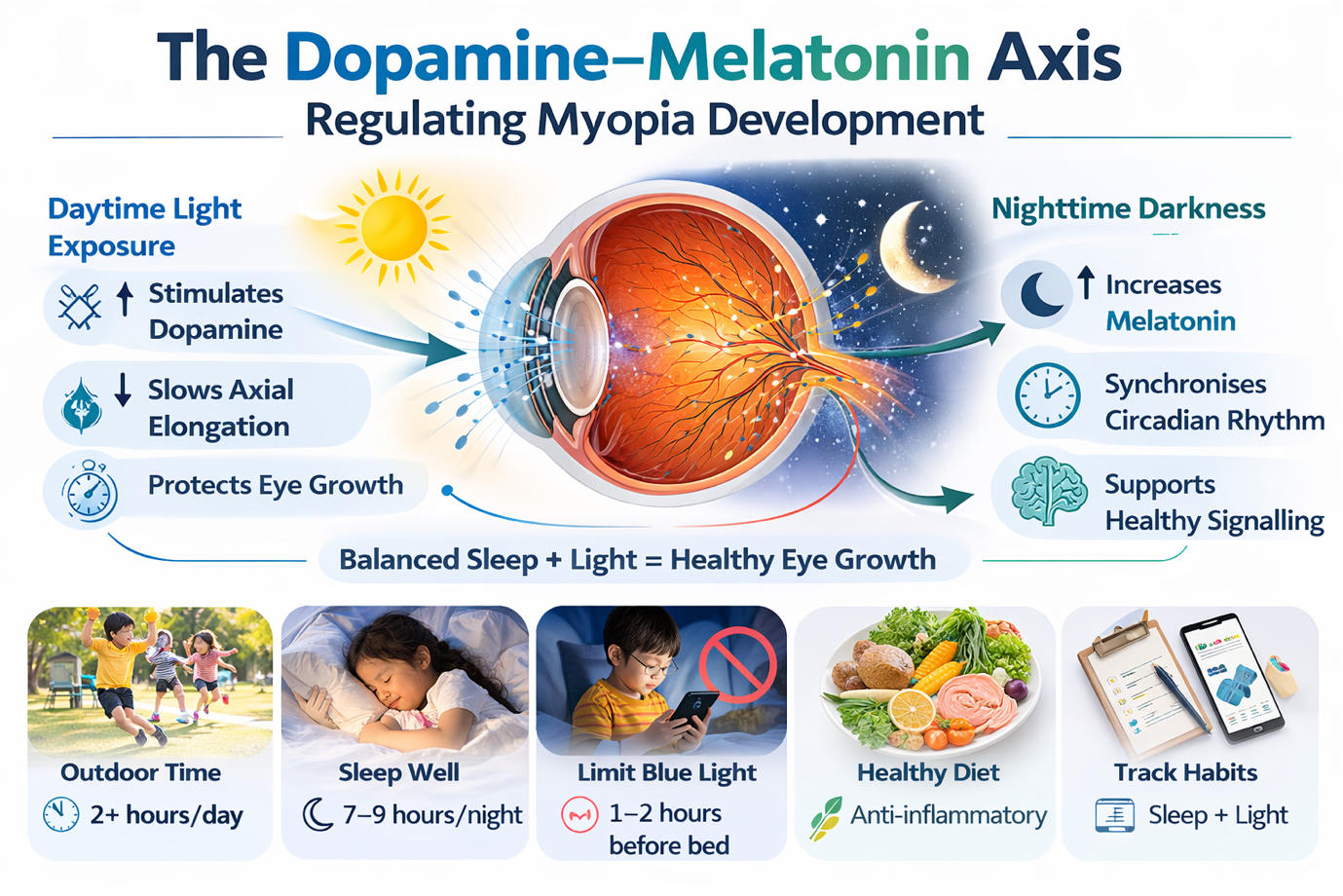

Figure 1: This image shows the dopamine-melatonin axis and how it helps in regulating Myopia development
Image Courtesy: Created by the Author
This dopamine–melatonin axis can be modulated through behaviour, making it a low-cost, high-impact target for intervention. These are not just “good habits,” they are biological levers that modulate the growth environment of the eye. Best of all, These strategies are synergistic with optical and pharmacological approaches!
Best of all, These strategies are synergistic with optical and pharmacological approaches!
Beyond light exposure and sleep timing, nutritional status may influence the biological environment that regulates ocular growth. Supplements such as vitamin D, magnesium, and omega-3 fatty acids represent adjunctive tools that support circadian stability and inflammatory control.
Lower serum vitamin D levels have been associated with longer axial length and increased Myopia risk in children. (15-17) While outdoor light remains the primary protective factor, vitamin D may act as a biological co-mediator. Deficiency has also been linked to poorer sleep quality, and supplementation in deficient individuals has been shown to improve sleep parameters. (18-19) In urban children with limited outdoor exposure, maintaining adequate vitamin D status may help stabilise both inflammatory tone and circadian rhythm, indirectly supporting axial control.
Magnesium regulates Gamma Aminobutyric Acid (GABA) activity, melatonin synthesis, and Hypothalamic-Pituitary-Adrenal (HPA)-axis balance. Deficiency in magnesium is associated with fragmented sleep and elevated cortisol and clinical trials has shown improved sleep efficiency and melatonin levels with supplementation. (20) By improving sleep timing and quality, magnesium may help normalise the melatonin–dopamine cycle central to retinal growth signalling.
Omega-3 fatty acids, particularly Docosahexaenoic Acid (DHA) are essential for retinal membrane integrity and dopaminergic signalling. Experimental models suggest omega-3 enrichment may reduce Myopia progression and scleral remodelling. (21) They also reduce systemic inflammation and may improve sleep quality, reinforcing both retinal and circadian pathways.
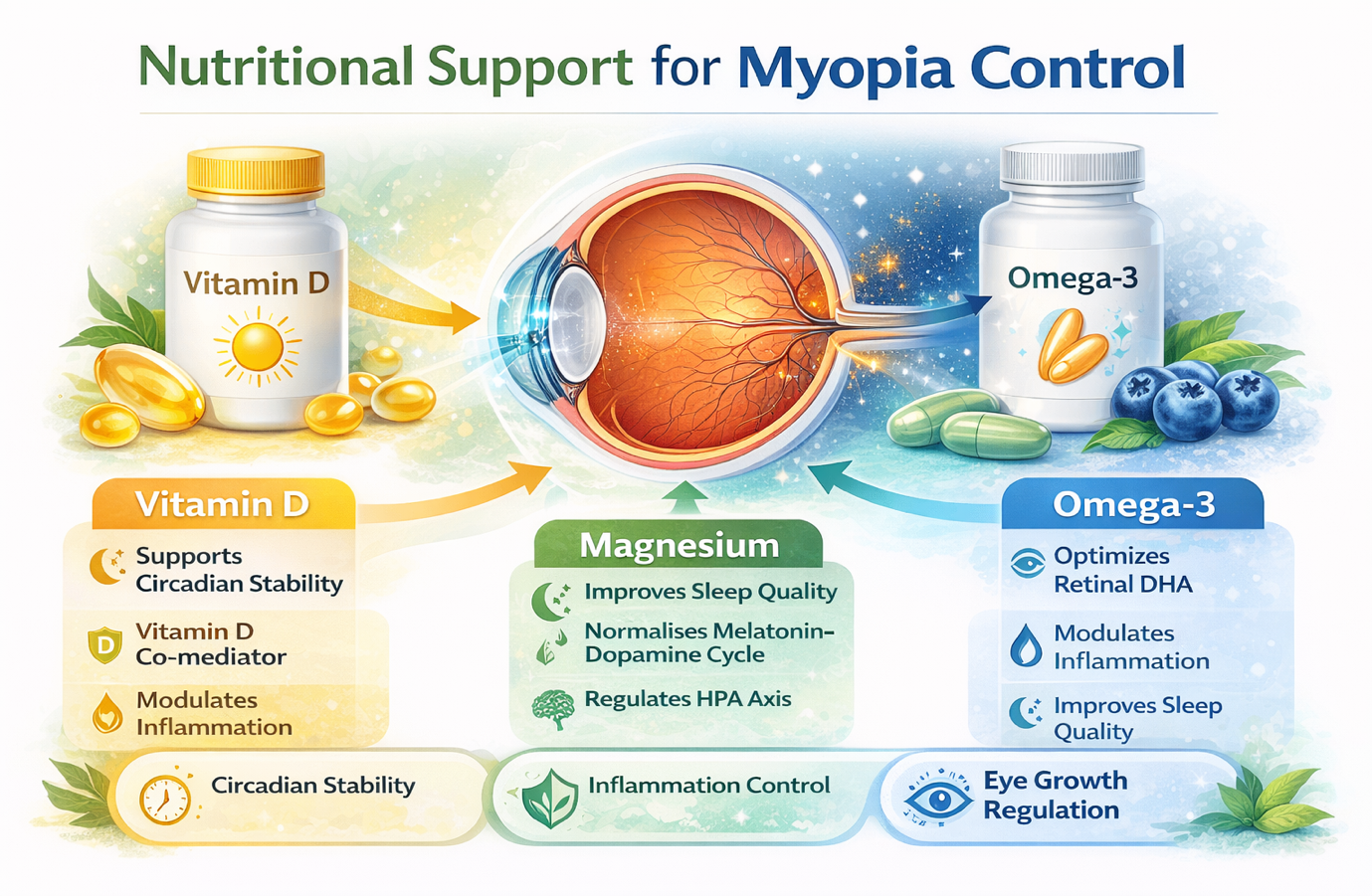

Figure 2: This image illustrates supplements that can help in improving circadian stability, sleep and retinal health
Image Courtesy: Created by the Author
Clinical Perspective
To note, this is not a replacement therapy! It is a biological support, both for the vision and children health
Lifestyle + Optical + Pharmacological + Nutritional strategies may work synergistically to modulate the upstream drivers of axial elongation.
We have optimised lenses and Atropine. The next step may be optimising the biological rhythm in which the eye grows.
By incorporating daytime and nighttime lifestyle modification, or even input of supplements to help with circadian rhythm, this may represents an evolution in Myopia care: from reacting to progression to shaping the biological environment that drives it.
Conclusion: Rethinking Myopia as a Circadian Condition
The dopamine–melatonin axis represents a modifiable upstream biological system central to Myopia onset and progression.
“We have spent years fine-tuning lenses and drops. But perhaps the real leverage lies in when and how the eye receives light.”
By restoring the natural light–dark rhythm, through structured outdoor exposure, sleep hygiene, and screen management, Optometrists can enhance existing treatments and perhaps, push closer to true prevention.
References
- Maulvi FA, Desai DT, Kalaiselvan P, Shah DO, Willcox MDP. Current and emerging strategies for myopia control: a narrative review of optical, pharmacological, behavioural, and adjunctive therapies. Eye. 2025;39:2635–2644.
- He M, Xiang F, Zeng Y, Mai J, Chen Q, Zhang J, Smith W, Rose K, Morgan IG. Effect of time spent outdoors at school on the development of myopia among children in China: a randomized clinical trial. JAMA. 2015;314(11):1142–1148.
- Ashby RS, Schaeffel F. The effects of bright light on lens compensation in chicks. Exp Eye Res. 2010;51(10):5427–5453.
- Stone RA, Lin T, Laties AM, Iuvone PM. Retinal dopamine and form-deprivation myopia. Proc Natl Acad Sci U S A. 1989;86(2):704–706. doi:10.1073/pnas.86.2.704.
- Yang J, Ouyang X, Fu H, Hou X, Liu Y, Xie Y, Yu H, Wang G. Advances in biomedical study of the myopia-related signalling pathways and mechanisms. Biomed Pharmacother. 2022;145:112472.
- Read SA, Collins MJ, Vincent SJ, Smith G. Light exposure and eye growth in childhood. IOVS. 2015;56:6779–6787.
- Chakraborty R, Micic G, Thorley L, Nissen TR, Lovato N, Collins MJ, Lack LC. Myopia, or near-sightedness, is associated with delayed melatonin circadian timing and lower melatonin output in young adult humans. Sleep. 2021;44(3):zsaa208. doi:10.1093/sleep/zsaa208.
- Hussain A, Gopalakrishnan A, Scott H, Seby C, Tang V, Ostrin L, Chakraborty R. Associations between systemic melatonin and human myopia: A systematic review. Ophthalmic Physiol Opt. 2023;43(6):1478–1490. doi:10.1111/opo.13214.
- Hoyniak CP, Vogel AC, Puricelli A, Luby JL, Whalen DJ. Day-to-day bidirectional associations between sleep and emotion states in early childhood: Importance of end of-day mood for sleep quality. Sleep Health. 2024;10(3):264–271
- Vasconcellos RP, Sanders T, Lonsdale C, Parker P, Conigrave J, et al. Electronic screen use and children’s socioemotional problems: A systematic review and meta-analysis of longitudinal studies. Psychological Bulletin. 2025;151(5):513–543
- Xu S, Zong Z, Zhu Y, Zhang X, Zhang Y, Wang X, Tao S, Wu X, Tao F. Association between sleep-wake schedules and myopia among Chinese school-aged children and adolescents: a cross-sectional study. BMC Public Health. 2023;23:661. doi:10.1186/s12889-023-15218-5.
- Liu S, Zhou X, Zhao J. How sleep disturbance promotes myopia: A perspective on potential biological mechanisms. Exp Eye Res. 2025;261:110645.
- Zhang P, Zhu H. Light signaling and myopia development: a review. Ophthalmol Ther. 2022;11(3):939–957. doi:10.1007/s40123-022-00490-2.
- Yazar S, Hewitt AW, Black LJ, McKnight CM, Mountain JA, Sherwin JC, et al. Myopia is associated with lower vitamin D status in young adults. IOVS. 2014;55(7):4552–4559.
- Mutti DO, Marks AR. Blood levels of vitamin D in teens and young adults with myopia. Optometry and Vision Science. 2011;88(3):377–382.
- Tideman JWL, Polling JR, Voortman T, Jaddoe VWV, Williams C, Guggenheim JA, et al. Low serum vitamin D is associated with axial length and risk of myopia in young children. Eur J Epidemiol. 2016;31(5):491–499.
- Gao Q, Kou T, Zhuang B, Ren Y, Dong X, Wang Q. The association between vitamin D deficiency and sleep disorders: A systematic review and meta-analysis. Nutrients. 2018;10(10):1395.
- Majid MS, Ahmad HS, Bizhan H, Hosein HKM, Mohammad AM. The effect of vitamin D supplement on the score and quality of sleep in 20-50 years-old people with sleep disorder compre with control group. Nutr Neurosci. 2018;21(7):511–519.\
- Abbasi B, Kimiagar M, Sadeghniiat K, Shirazi MM, Hedayati M, Rashidkhani B. The effect of magnesium supplementation on primary insomnia in elderly: A double-blind placebo-controlled clinical trial. Journal of Research in Medical Sciences. 2012;17(12):1161–1169.
- Weisinger HS, Vingrys AJ, Bui BV, Sinclair AJ. Effects of dietary n-3 fatty acid deficiency and repletion in the guinea pig retina. Invest Ophthalmol Vis Sci. 1999;40(2):327–338.
About the Author


Dr. Alex Ong, Optometrist, CPNP (ANA)
FAAO, FOWNS, DOptom, MSCO, B.Sc Optom, Dip. Optom
Singapore
Dr. Ong is the Managing Director and Senior Optometrist at Ong’s Optics and Myopia Management Centre. With over two decades of experience, he focuses on evidence-based Myopia Management, Ocular Nutrition, Binocular Vision, Orthokeratology, Geriatric Vision Care. Dr. Ong also serves as a Key Opinion Leader for Menicon Japan and was an adjunct lecturer in two Optometry schools in Singapore. He also conducts optometric education and training across Asia. As a Certified Personalised Nutrition Practitioner with the American Nutrition Association and a Fellow of Ocular Wellness and Nutrition, his passion lies in integrating nutrition and vision science to promote “prevention is better than cure” concept.

Mr. Richie Huang, Optometrist, FOWNS, CPNP (ANA)
B.Sc Optom Taiwan
Mr. Huang is a practicing Optometrist and Founder of JD Optometry Group in Taiwan. He is also the current President of the New Taipei City Optometrists Association, and was the Past President of the Taiwan Optometrists Association (TOA). He specialises in elderly vision care and children’s vision development, combining clinical expertise with a strong commitment to professional education. His work bridges Visual Nutrition, Paediatric Myopia Management, Binocular Vision and Geriatric Vision Care, with strong engagement in public education and professional training. As an Optometrist and a Fellow of Ocular Wellness Nutrition Society, his passion for Optometry and Nutrition is reflected in his ongoing contributions to public awareness and his leadership in advancing eye care standards across Taiwan.