


Mahima Chandra, M. Optom
Assistant Professor, Bharati Vidyapeeth (Deemed to be University), Pune, India
The Pros and Cons of Artificial Intelligence in Optometry: A Deep Dive into the Future of Eye Care
Advancements in Artificial Intelligence (AI) are reshaping healthcare delivery, and the field of Optometry is increasingly influenced by these innovations. From diagnosing retinal diseases with astonishing accuracy to streamlining clinic operations, AI is rapidly becoming an integral part of modern eye care. However, like any emerging technology, it brings its own set of challenges, concerns, and ethical questions.
This article explores both the advantages and limitations of AI in Optometry, helping practitioners, students, and patients understand what the future might hold.
The Vision Revolution: AI Uprising in Optometry
Over the past decade, optometry has transitioned from predominantly manual, time-intensive diagnostic methods to automated, data-driven approaches. High-resolution ocular imaging, electronic health records (EHRs), portable diagnostic devices, and tele-optometry platforms have created an ideal ecosystem for AI integration. Machine learning, particularly deep learning algorithms, can now detect subtle pathological patterns in ocular images that may be overlooked by even experienced clinicians. As eye-health data continues to grow, AI offers improved speed, accuracy, and predictive capabilities. (1)
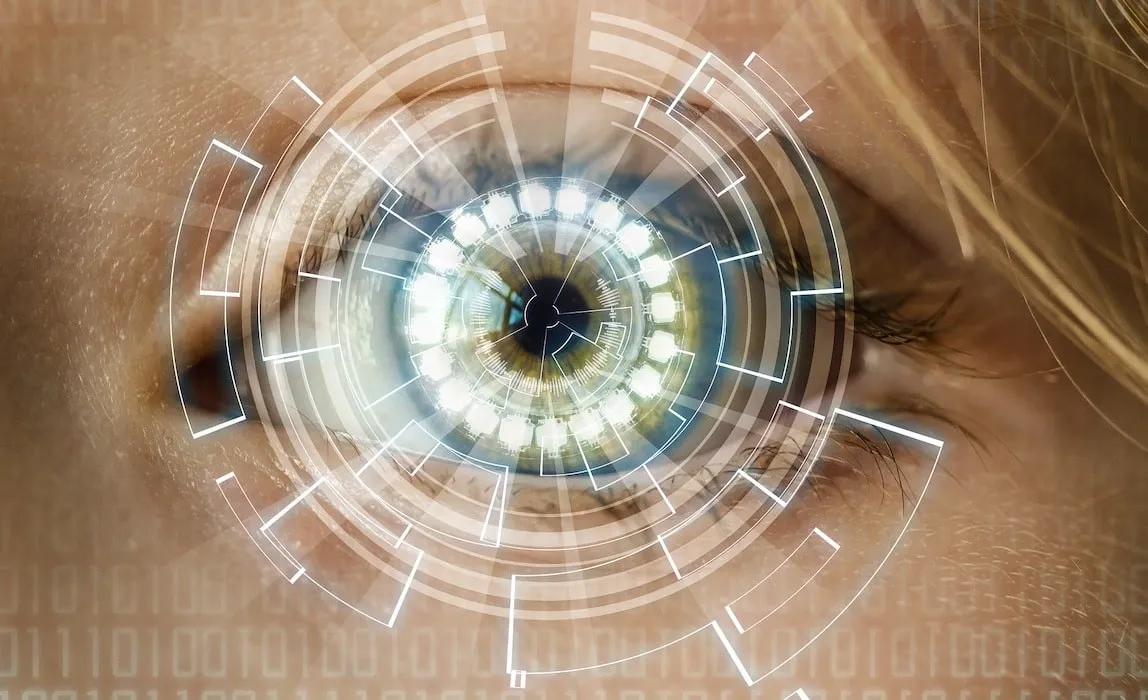

Figure 1: Artificial Intelligence in Eye Care
Image Courtesy
https://ziliahealth.com/blog/how-artificial-intelligence-is-transforming-ocular-health/
Smarter Eyes: How AI Is Redefining Optometry
1. Early and Accurate Detection of Eye Diseases
One of the most promising benefits of AI is its ability to detect early signs of diseases such as: Diabetic Retinopathy, Glaucoma, Age-related Macular Degeneration (AMD), Retinal Vein Occlusions, Keratoconus. By analysing vast libraries of retinal images, Deep Learning systems can identify disease patterns with a level of precision that often rivals human assessment in controlled settings. Early detection leads to early intervention, which can significantly reduce the risk of vision loss. This is especially critical in rural or underserved regions where specialists are scarce. (1–3)
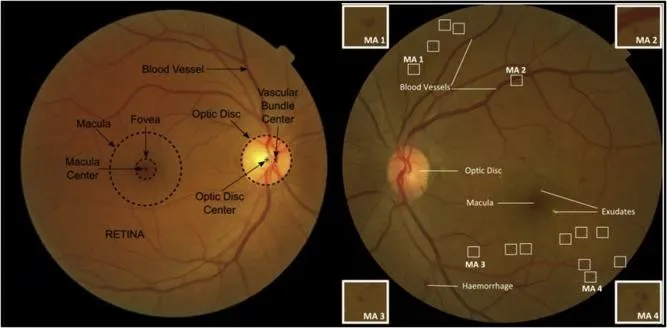

Figure 2: AI Differentiating Anatomic Landmarks from Pathologic Structures
2. Efficiency and Speed in Clinical Workflow
AI-based platforms significantly reduce processing time by simultaneously evaluating large datasets that would otherwise require extensive manual review. For example:
- Automated refraction tools can generate accurate prescriptions in seconds.
- Image recognition software can flag abnormalities immediately after a scan.
- AI triage tools can categories patients based on urgency.
This increased speed allows Optometrists to see more patients, reduce their administrative burden, and concentrate on clinical decision-making and patient counseling.
3. Enhanced Patient Experience
AI tools improve patient experience in several ways:
- Shorter waiting times due to faster screenings.
- Clearer visual explanations with AI-generated reports that show detected features.
- Remote consultations, especially beneficial for the elderly, physically challenged, or patients living in remote areas.
Patients today expect convenience and clarity, and AI helps clinics deliver both.
4. Support for Clinical Decision-Making
AI does not replace Optometrists, it supports them. With access to huge datasets, AI can cross-reference a patient’s test results with thousands of previous cases, offering:
- Diagnostic suggestions
- Progression predictions
- Treatment plan recommendations
This kind of clinical decision support reduces human error and reinforces evidence-based practice.
5. Bridging Healthcare Gaps in Underserved Areas
A major advantage of AI is its portability and scalability. For example:
- AI-equipped handheld devices can screen patients in remote camps.
- Cloud-based platforms can send images to specialists for real-time analysis.
- Automated diagnosis supports primary care doctors who lack ophthalmic training.
This democratisation of eye care can prevent blindness in regions where specialists are scarce.
6. Research and Data-Driven Insights
AI accelerates research by identifying patterns in:
- Disease progression
- Patient demographics
- Treatment responses
These insights help improve clinical guidelines, discover biomarkers, and predict public health trends related to eye disease.
Blind Spots: Challenges and Risks of AI in Optometry
Despite its promise, AI in optometry is not without challenges. Some are technical, some ethical, and others relate to practical implementation.


Figure 3: Data Security in AI
Image Courtesy
https://pixabay.com/illustrations/security-privacy-policy-digitization-7745890/
1. Risk of Misdiagnosis and Over-Reliance
AI is only as good as the data it is trained on. If the dataset lacks diversity whether in age groups, ethnicity, disease presentation, or image quality AI’s decisions may be biased or inaccurate.
Examples of risks:
- AI may miss early-stage disease in populations that were not represented in its dataset.
- False positives may cause unnecessary anxiety and repeated testing.
- Over-reliance on AI may cause clinicians to overlook subtle signs not captured in the algorithm.
AI should assist, not replace, clinical judgment.
2. High Initial Costs and Implementation Challenges
For small or independent Optometry practices, adopting AI can be costly:
- Expensive imaging devices
- Subscription fees for AI platforms
- Training staff to use new systems
- Integrating software with existing EHR systems
Return on investment is not always immediate, especially in low-volume clinics.
3. Data Privacy and Security Concerns
AI systems require large amounts of patient data, often stored in cloud platforms. This raises concerns about:
- Data breaches
- Unauthorised access
- Compliance with regulations like HIPAA or GDPR
- Patients’ awareness and consent
Protecting sensitive health information is critical, and mishandling can lead to legal issues and loss of trust.
4. Ethical Concerns and Algorithmic Bias
AI can unintentionally reinforce inequality if not developed responsibly. (4) For example:
- When training datasets lack ethnic and demographic diversity, algorithmic performance can decline when applied to broader populations, raising concerns about equitable care.
- AI may prioritise revenue-generating tests if commercial interests influence its design.
- Automated decision-making can create a “black box” where clinicians and patients do not understand how a decision was made.
Ethical frameworks and transparency are essential to ensure fairness and accountability.
5. Lack of Human Touch and Patient Trust
Optometry is not only about diagnosing conditions, it is also about patient relationships, reassurance, and human interaction. (6) Patients may feel uncomfortable when:
- Machines take over too many roles
- Consultations become rushed or overly automated
- They are unable to ask questions or express concerns
Emotional intelligence and empathy cannot be replaced by AI.
6. Dependence on Technology and Technical Failures
Just like any digital system, AI tools can face:
- Software glitches
- Internet outages
- Hardware failures
- Poor image quality due to operator errors
Inaccurate data input can lead to inaccurate output. Optometrists must remain vigilant and ensure that AI systems are functioning properly.
Balancing AI with Human Expertise
The goal of AI is not to replace Optometrists but to empower them.
1. Continuous Training for Clinicians: Optometrists must stay informed about how AI works, its limitations, and the correct way to interpret AI-driven reports. (6)
2. Transparent and Ethical AI Design: Developers should use diverse datasets, explain their algorithms, and comply with ethical and regulatory standards. (7)
3. Integration with Human Judgment: AI should be a second opinion not the final authority. Combining AI insights with clinical experience ensures better patient outcomes. (6)
4. Patient Education: Explain AI’s role to patients so they understand that it enhances, not replaces, human care.
5. Regular System Audits: Clinics should evaluate AI performance regularly to detect errors or biases. (7)
Focusing on Tomorrow: The Future of AI in Optometry
AI is undeniably reshaping the Optometry landscape. Its ability to detect disease early, enhance clinical efficiency, support decision-making, and extend care to underserved regions makes it a powerful tool for the future. However, AI is not perfect. Issues like misdiagnosis, ethical concerns, privacy risks, bias, and implementation challenges highlight the need for cautious adoption.
The best path forward is a collaborative model, rather than replacing clinicians, AI is best positioned as a complementary tool, managing computational tasks while Optometrists focus on patient-centred decision-making and emotional care. When used responsibly, AI has the potential to elevate eye care to new heights making it more accurate, accessible, and patient-centred.
References
- Ting, D. S. W., et al. (2017). Deep learning system for diabetic retinopathy. JAMA, 318(22), 2211–2223.
- Gulshan, V., et al. (2016). Deep learning for detection of diabetic retinopathy. JAMA, 316(22), 2402–2410.
- Li, Z., et al. (2018). Deep learning for glaucomatous optic neuropathy. Ophthalmology, 125(8), 1199–1206.
- Schmidt-Erfurth, U., et al. (2018). Artificial intelligence in retina. Progress in Retinal and Eye Research, 67, 1–29.
- World Health Organization. (2021). Ethics and governance of artificial intelligence for health. WHO Press.
- Topol, E. (2019). Deep Medicine. Basic Books.
- European Commission. (2020). Ethics guidelines for trustworthy AI.
About the Author


Mahima Chandra is a well-qualified Optometrist currently serving as an Assistant Professor at the School of Optometry, Bharati Vidyapeeth (Deemed to be University), Pune, Maharashtra. With over a decade of experience in both clinical practice and academic teaching, she brings a well-rounded perspective that integrates hands-on patient care with strong educational expertise.
She has established a solid academic and clinical foundation in orthoptics, optics, visual science, and comprehensive clinical diagnostics, supported by a deep commitment to patient-centred care. Her extensive experience in teaching and mentoring Optometry students enables her to effectively bridge traditional optometric principles with emerging technological advancements, equipping future practitioners to meet the demands of an evolving healthcare landscape.
As a blog contributor, Mahima is passionate about translating complex scientific and technological concepts into clear, accessible, and practical insights for students, clinicians, and eye care professionals. She actively advocates for the responsible and ethical integration of Artificial Intelligence in Optometry, emphasising that technological innovation should enhance rather than replace clinical expertise, professional judgment, and human interaction in eye care.