
Satyam Jha, FICO
Consultant Optometrist, Trinetra Eye Centre, Jalpaiguri, India
Until recently, the eye was long considered a well-documented organ free of microbial life. Nevertheless, new advances in genetic sequencing technology have unveiled that the ocular surface hosts a fragile and diverse community of microorganisms. The ocular surface microbiome is also crucial for maintaining eye health and preventing disease. The better we understand the ocular surface microbiome, the more opportunities we have to diagnose, prevent, and treat ocular disease. (1)
What Is the Ocular Surface Microbiome?
The ocular surface microbiome consists of the bacteria, fungi, and viruses that are present on the conjunctiva, cornea, and tear film. (1)
Common commensals include:
- Staphylococcus epidermidis
- Corynebacterium spp.
- Propionibacterium spp.
- Streptococcus spp.
These microbes normally coexist harmlessly, but disruption of this balance or process (also referred to as dysbiosis) can lead to ocular surface disease. (1)
Importance in Eye Health
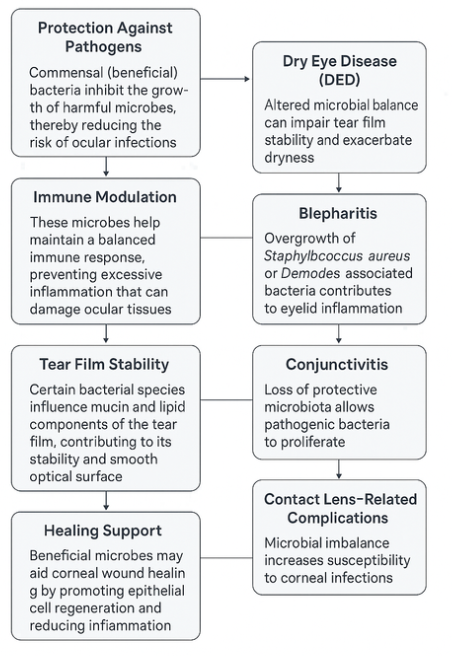
Figure 1: Image showing ocular microbiome and eye health
Image Courtesy: Created by the Author
The ocular microbiome plays a role in eye health in many ways, as show in Figure 1
- Protection Against Pathogens: Commensal bacteria inhibit potentially harmful microbes and therefore lower the likelihood of infection. (3,4)
- Immune Modulation: Maintaining a normal immune system response so that inflammation is not excessive. (3,4)
- Tear Film Stability: Some bacteria affect the mucin and lipid pathogens, affecting tear stability. (3)
- Healing Help: Some beneficial microbes may promote corneal wound healing. (3)
Dysbiosis and Eye Diseases
Ocular microbiome disruption may be associated with: (Figure 1)
- Dry Eye Disease (DED): Microbial disturbance reduces tear film stability. (2,3)
- Blepharitis: Staphylococcus aureus overgrowth or Demodex-associated bacteria overgrowth. (2,4)
- Conjunctivitis: Pathogenic proliferation occurs after loss of protective microbiota. (2)
- Contact Lens Wear Complications: Dysbiosis increases chances of infection. (2)
- Post-Surgical Infections: Disturbance of the ocular microbiome predisposes to keratitis. (7)
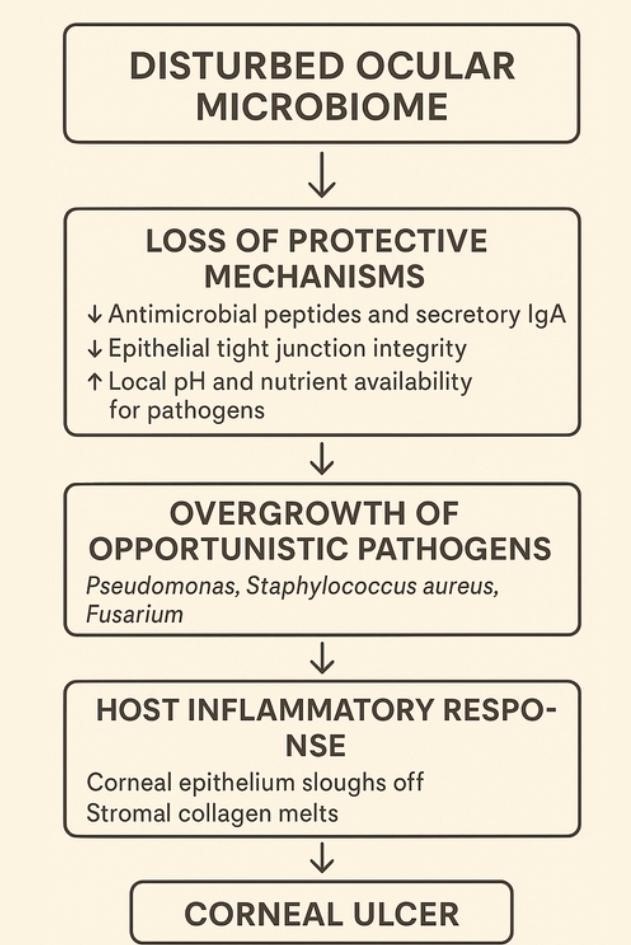
Figure 2: Image showing disturbance of the ocular microbiome causes keratitis
Image Courtesy: Created by the Author
Elements Affecting the Ocular Microbiome
| Factor | Effect on Ocular Microbiome | Why It Matters |
|---|---|---|
| Contact Lens Wear | Alters microbial composition and reduces natural defense. | Lenses may create a microenvironment with reduced tear exchange and oxygen, favoring colonization by opportunistic bacteria such as Pseudomonas spp. |
| Topical Medications | Prolonged use of antibiotics or steroids disrupts normal flora. | These agents reduce commensal bacteria, allowing resistant or pathogenic strains to dominate. |
| Systemic Diseases | Conditions like diabetes and allergies can shift microbial balance. | Altered immune responses and changes in tear film can promote dysbiosis. |
| Environmental Exposures | Pollutants, allergens, and climate changes affect microbial stability. | External irritants may damage the ocular surface, decreasing natural defense and altering microbial diversity. |
| Age and Immunity | Natural changes occur with aging and immune function. | Reduced tear production and immune surveillance in older individuals can increase susceptibility to pathogenic colonization. |
Table 3: Table Showing elements affecting ocular microbiome (6)
- Contact lens wear: Modulates microbial diversity. (4)
- Topical medications: Prolonged antibiotic or steroid use. (4)
- Systemic diseases: Diabetes or allergic conditions. (3,4)
- Environmental exposures: Pollutants and allergens. (4)
- Age and immunity: Natural changes across a lifespan. (3)
Future Directions
Research on the ocular microbiome is providing possibilities for:
- Probiotic drops to restore a healthy microbial state. (5)
- Microbiome-based biomarkers for early disease identification. (4,5)
- Treatment approaches that match treatment with a microbial profile of the patient. (5)
- Reduced antibiotic resistance from friendly therapy. (4,5)
Conclusion
The ocular surface microbiome has shed its cloak of mystery and is now well-established as an important contributor to both ocular health and disease. (1) New studies continue to illuminate its essential role in mucosal immune homeostasis, epithelial barrier integrity, and host resistance to infections. A healthy microbial community provides a natural defence barrier, and dysbiosis can spark new or exacerbate existing illnesses, such as dry eye, blepharitis, and keratitis.(2)
As science continues to propel our knowledge, the opportunity to change the ocular microbiome, including via conventional probiotics, prebiotics, or other therapeutic approaches that foster a healthy microbiome, is a new and exciting area of eye health. (4) The potential to harness the capabilities of beneficial bacteria may allow us to move beyond mere symptom relief and actually provide preventive and even curative treatment of ocular surface diseases. (7) The future of ocular health based on the microbiome is nearer than it appears through the lenses of precision optometry and ophthalmic science.
References
- Gomes, J. A. P., Frizon, L., & Demeda, V. F. (2020). Ocular surface microbiome in health and disease. The Asia-Pacific Journal of Ophthalmology, 9(6), 505-511.
- St. Leger, A. J., & Caspi, R. R. (2018). Visions of eye commensals: the known and the unknown about how the microbiome affects eye disease. Bioessays, 40(11), 1800046.
- Kugadas, A., & Gadjeva, M. (2016). Impact of microbiome on ocular health. The ocular surface, 14(3), 342-349.
- Cavuoto, K. M., Banerjee, S., & Galor, A. (2019). Relationship between the microbiome and ocular health. The ocular surface, 17(3), 384-392.
- Zegans, M. E., & Van Gelder, R. N. (2014). Considerations in understanding the ocular surface microbiome. American journal of ophthalmology, 158(3), 420.
- Berzack, S., & Galor, A. (2025). Microbiome-based therapeutics for ocular diseases. Clinical and experimental optometry, 108(2), 115-122.
- Kang, Y., Tian, L., Gu, X., Chen, Y., Ma, X., Lin, S., … & Zheng, M. (2022). Characterization of the ocular surface microbiome in keratitis patients after repeated ophthalmic antibiotic exposure.
Microbiology Spectrum, 10(2), e02162-21.
About the Author

Satyam Jha
Consultant Optometrist
Trinetra Eye Centre, Jalpaiguri, India
Recent Comments