
Parbati Gaire (1), B. Optom
Ranzu Dangol (2), B. Optom
Consultant Optometrist, Pokhara University, Pokhara, Nepal
Most teenage girls follow a 3-5 step skincare routine. Several studies report associations between skincare and cosmetic product use and Dry Eye Disease, Blepharitis, Meibomian Gland Dysfunction (MGD), and Conjunctivitis. (1)
A large proportion of individuals who use eye and facial care products are unaware of the Meibomian gland terminal ducts located at the eyelid margins, which are essential openings that deliver lipids and maintain tear film stability. While dry eye disease is an increasing concern in ocular health, excessive screen time is often identified as the primary contributor to current dry eye trends. (2) Females show a higher prevalence of dry eye disease compared to males. (3)
Although screen time exposure is similar between both genders, the difference in prevalence suggests that skincare and cosmetic practices may play a significant role in this disparity.
Why are Periocular Areas Vulnerable?
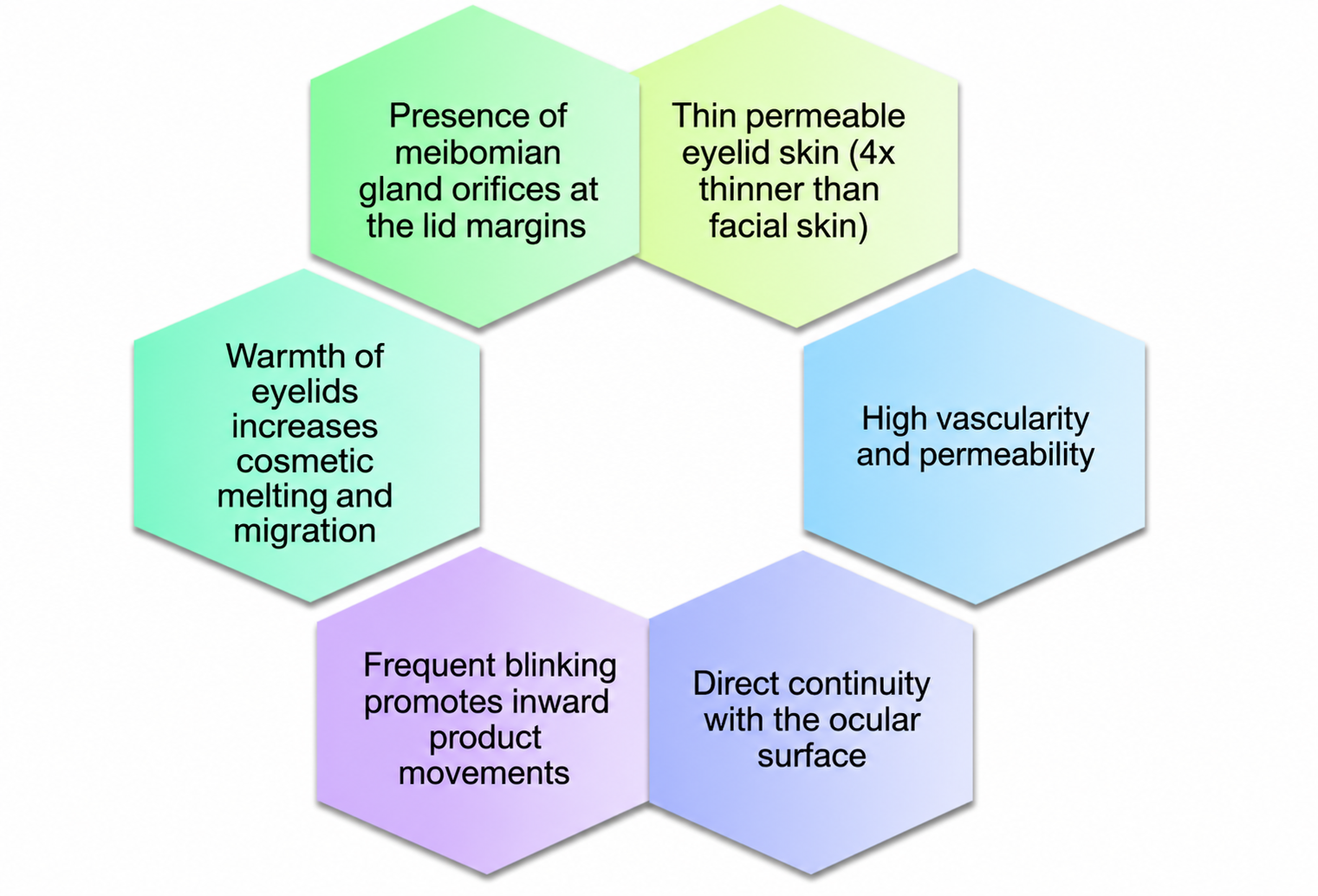
Figure 1: This Image shows the factors making the ocular area highly vulnerable.
Image Courtesy: Created by the Author
Cosmetic Migration: How do Skin Care Products Reach the Ocular Surface?
- Passive movement: Hydrophilic and hydrophobic cosmetic formulations can cross the eyelid margin, contaminating the tear film and ocular surface.
- Application technique matters: Cosmetics applied close to the eyelid margin, such as eyeliner or kajal along the inner lash line, increase tear film migration into the tear film compared to products applied to the outer periocular skin.
- Effects on tear film:
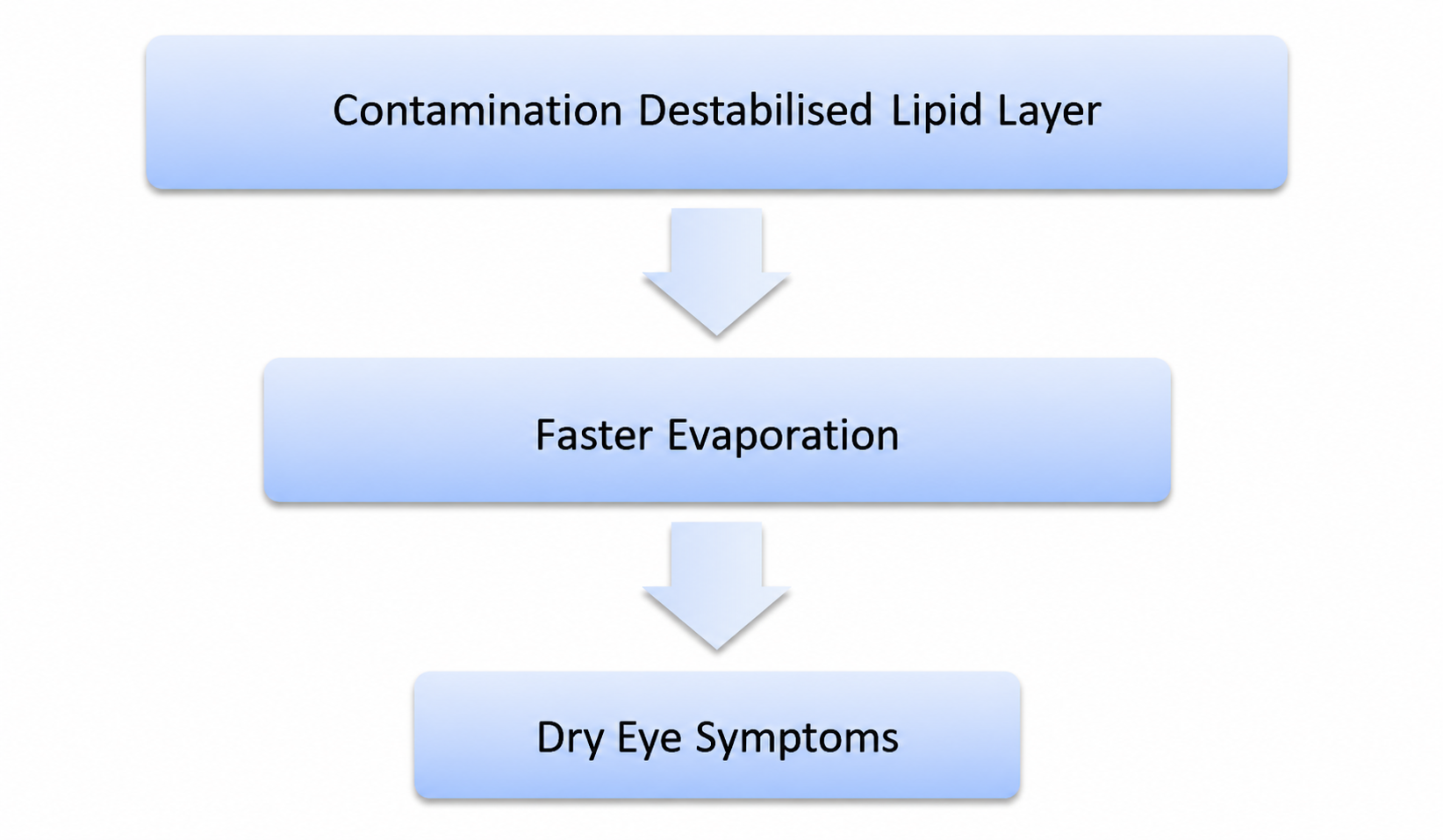
Figure 2: The flowchart shows the cosmetic migrations leading to tear film disruption and Dry Eye Disease.
Image Courtesy: Created by the Author
These mechanisms demonstrate that periocular products can reach the ocular surface, challenging the perception of periocular cosmetics as harmless self-care practices. (4)
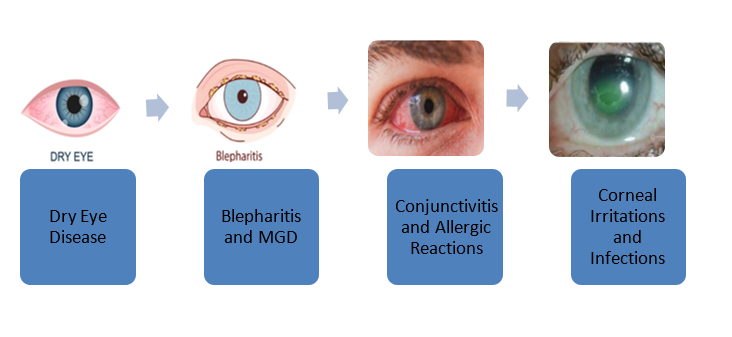
Figure 3: This image shows the common ocular conditions caused by skincare products.
Image Courtesy: Created by the Author
Skin-Care Ingredients That Can Harm The Eyes
Many skincare ingredients are safe when used appropriately on facial skin however, their migration toward the eyelid margin transforms routine skincare into a potential risk factor for ocular surface disease.
- Preservatives:
- Benzalkonium chloride damages the mitochondria of corneal epithelial cells even at commonly used concentrations. (5)
- Highly toxic to ocular surface cells, even at low concentrations. (5)
- Retinoid and acids:
- Commonly found in serums and anti-ageing products. (5,6)
- Potent exfoliating agents that can irritate thin eyelid skin and may contribute to gland dysfunction (DES and blepharoconjunctivitis). (6)
- Adhesives in lash products:
- Formaldehydes and cyanoacrylate.
- Can trigger allergic Blepharitis, Conjunctivitis and infections. (5)
- Ocular Demodex folliculorum infestation:
- Cosmetic residue and poor lid hygiene can promote Demodex proliferation.
- Affecting the Meibomian glands, leading to disrupted lipid secretion, reduced tear break-up time, and contributing to chronic blepharitis and dry eye disease. (7)
Practical Recommendations
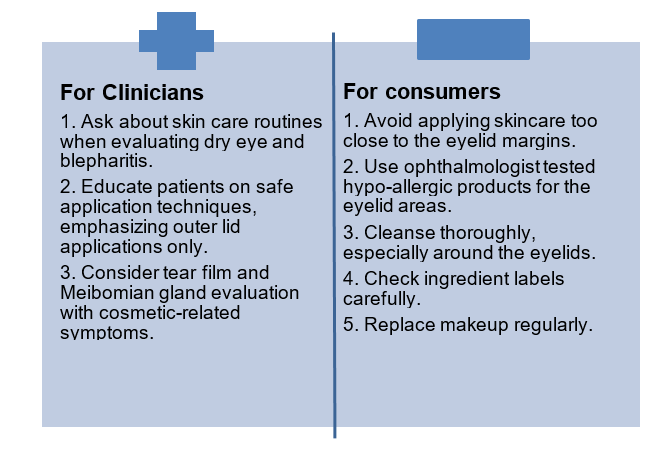
Figure 4: This image shows the takeaway messages for both clinicians and consumers.
Image Courtesy: Created by the Author
Conclusion
The line between self-care and self-harm in skincare routines is often blurred. Products meant to nourish and enhance our appearance can quietly affect the delicate structures of the eye. Growing evidence shows that when cosmetics and skincare products migrate toward the eyelid margins and tear film, they may contribute to ocular surface disease. (1,6,8) However, with informed choices, proper application techniques, and patient education, these risks are largely preventable. By recognising the ocular consequences of everyday skincare practices, both patients and clinicians can work together to preserve not only beauty, but also long term eye health. Ensuring self-care remains an act of care, not harm.
References
- Sabhahit, S. V., Babu, M., & V, D. (2024). Ocular effects of eye cosmetic formulations. Cutaneous and Ocular Toxicology, 43(3), 154–160.
- Wang, M. T., & Craig, J. P. (2018). Investigating the effect of eye cosmetics on the tear film: current insights. Clinical Optometry, 33–40.
- Al-Mohtaseb, Z., Schachter, S., Shen Lee, B., Garlich, J., & Trattler, W. (2021). The relationship between dry eye disease and digital screen use. Clinical Ophthalmology, 3811–3820.
- Borrelli, M., Frings, A., Geerling, G., & Finis, D. (2021). Gender-specific differences in signs and symptoms of dry eye disease. Current Eye Research, 46(3), 294–301.
- Masud, M., Moshirfar, M., Tirth, J. S., T Gomez, A., Avila, M. R., & Ronquillo, Y. C. (2019). Eyelid cosmetic enhancements and their associated ocular adverse effects. Medical Hypothesis, Discovery and Innovation in Ophthalmology, 8(2), 96.
- Datta, S., Baudouin, C., Brignole-Baudouin, F., Denoyer, A., & Cortopassi, G. A. (2017). The eye drop preservative benzalkonium chloride potently induces mitochondrial dysfunction and preferentially affects LHON mutant cells. Investigative Ophthalmology & Visual Science, 58(4), 2406–2412.
- Bergler-Czop, B., Bilewicz-Stebel, M., Stańkowsk, A., & Bilewicz-Wyrozumska, T. (2016). Side effects of retinoid therapy on the quality of vision. Acta Pharmaceutica, 66(4), 471–478.
- Hao, Y., Zhang, X., Bao, J., Tian, L., & Jie, Y. (2022). Demodex folliculorum infestation in meibomian gland dysfunction related dry eye patients. Frontiers in Medicine, 9, 833778.
About the Author

Parbati Gaire
Consultant Optometrist,
Pokhara University, Pokhara, Nepal

Recent Comments