


Rajat Chauhan, B. Optom Student
M. Optom student, Maharishi Markandeshwar Medical College and Hospital, Solan, India
“We shape our tools, and thereafter our tools shape us.” – Marshall McLuhan
Ophthalmologists at the Asia-Pacific Academy of Ophthalmology (APAO) Congress 2025 in New Delhi observed a significant increase in dry eye illness, digital eye strain, myopia progression, and early-onset squint among young patients exposed to excessive short-form video. (1)
A study documented cases of considerably reduced tear production in school-aged youngsters after extended reel consumption, whereas another state emphasised that blink rate may drop by over 50% during such viewing, hastening tear evaporation. (1) This constellation of symptoms has been dubbed “Reel Vision Syndrome,” stressing that the consequences go beyond temporary pain to functional visual impairment.
Dry Eye: The Gateway Disorder
Dry eye illness is one of the earliest and most evident side effects of excessive digital screen use. Extensive cross-sectional research has found a robust link between extended screen exposure and dry eye symptoms in both adults and children. (2)
Digital viewing affects blinking dynamics, resulting in decreased blink frequency and partial blinking, destabilising the tear film and damaging the ocular surface. (2)
Importantly, dry eye disease has an impact on mental health, work productivity, and enjoyment of life, exacerbating visual fatigue and lowering tolerance for near tasks in frequent reel users. (2)
Binocular Vision Under Chronic Stress
Beyond the ocular surface, short-form content may put a strain on the binocular visual system. Convergence Insufficiency (CI), a frequent binocular vision condition, has been linked to continuous use of electronic devices, particularly during close activities. (3) According to the literature, increased close fixation, visual fatigue, and shortened recovery time may all contribute to the development or aggravation of CI symptoms. (3)
Short-form videos exacerbate this requirement by requiring frequent attentional resets and quick gaze movements with insufficient visual recovery. Over time, this trend may impair vergence flexibility and binocular stability, particularly in students and young professionals.
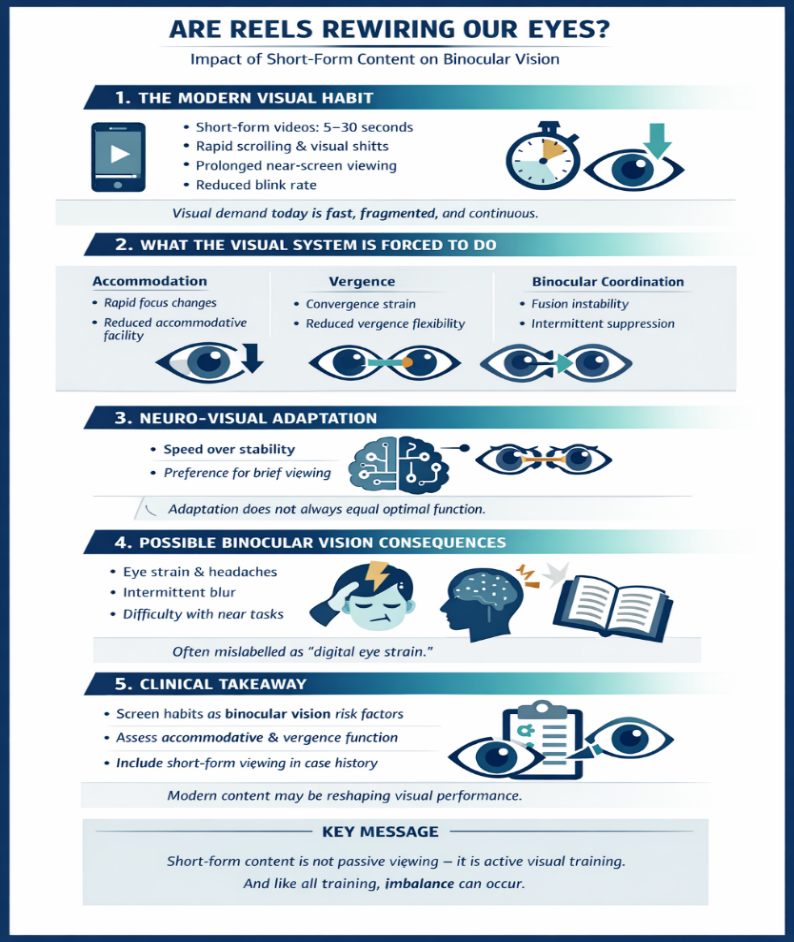

Image 1: Image showing the impact of short-form content on binocular vision.
Image Courtesy: Created by the Author
Neuro-Visual Adaptation
Emerging neuroimaging studies suggest that the impacts of short-form content go beyond the eyes. A study of young people discovered that higher levels of short-video addiction were associated with increased activity in brain regions associated with reward processing and emotional control, as well as anatomical changes in the orbitofrontal cortex and cerebellum. (1)
These findings suggest that short-form platforms may influence attention and visual behaviour. This issue is consistent with Oxford’s 2024 Word of the Year, “brain rot,” which expresses anxiety about the cognitive implications of excessive intake of low-quality digital content. (1)
Conclusion
Short-form content is not passive viewing; it is active visual training. Reels prepare the visual system for speed, continuous refocusing, and sustained near engagement. Preventive measures such as the 20-20-20 rule, conscious blinking, and screen cleanliness remain critical. (1) However, there is an urgent need for a longitudinal study into how short-form media affects accommodation, vergence stability, and long-term binocular performance.
If reels are rewiring attention, they may also be rewiring the eyes, making early identification critical to maintaining binocular comfort in the digital age. (2,3)
References
- Gao, Y., Hu, Y., Wang, J., Liu, C., Im, H., Jin, W., … & Wang, Q. (2025). Neuroanatomical and functional substrates of the short video addiction and its association with brain transcriptomic and cellular architecture. NeuroImage, 307, 121029.
- Al-Mohtaseb, Z., Schachter, S., Shen Lee, B., Garlich, J., & Trattler, W. (2021). The relationship between dry eye disease and digital screen use. Clinical Ophthalmology, 3811-3820.
- Srivastava, N., & Srivastava, N. (2024). Exploring the link between convergence insufficiency and electronic device use.
About the Author


Rajat Chauhan
M. Optom Student