


Sonia Senapati, B. Optom Intern,
Kalinga Institute of Medical Sciences, City and Country
We often assume that headaches, blurred vision, or tired eyes are simply the result of spending too much time on digital screens. While prolonged screen use certainly contributes to visual discomfort, another important and frequently overlooked cause is binocular Vision Disorders (BVDs).
Binocular vision disorders affect how well your eyes work together as a team. Even if you have 20/20 vision or wear the correct prescription glasses, your eyes may still struggle to coordinate effectively, leading to persistent eye strain and reduced visual comfort.
What is Binocular Vision?
Binocular vision is the ability to use both eyes simultaneously so that each eye contributes to a common single perception.
What are Binocular Vision Disorders?
A BVD occurs when the eyes are unable to align with each other. Even a small misalignment can force the eye muscles to work harder, causing symptoms that often go unnoticed during a routine vision screening.
These disorders can affect people of all ages, from school-aged children to adults who spend long hours working on digital devices.
Common Symptoms
- Persistent eye strain or tired eyes
- Frequent headaches, especially after reading or screen use
- Blurred or double vision
- Difficulty concentrating while reading
- Words appearing to move, overlap, on the page
- Poor depth perception
- Sensitivity to light
Common Types of Binocular Vision Disorder
- Convergence Insufficiency
- Convergence Excess
- Divergence Insufficiency
- Divergence Excess
- Accommodative Dysfunction
- Phorias and Intermittent Strabismus
Why Are Binocular Vision Disorders Often Missed?
Many routine eye examinations focus primarily on visual clarity and refractive errors, such as nearsightedness, farsightedness, or astigmatism. Since binocular vision disorders involve eye coordination rather than eyesight alone, they may require orthoptics assessment to detect.
Someone may have perfect visual acuity yet still experience significant visual discomfort because their eyes are not working together efficiently.
Diagnosis
A comprehensive binocular vision assessment may include:
- Cover test
- Near Point of Convergence (NPC)
- Fusional Vergence test
- Vergence facility
- Accommodation testing
- Stereopsis assessment
- Worth Four Dot test
- Eye movement evaluation (Saccades and Pursuits)
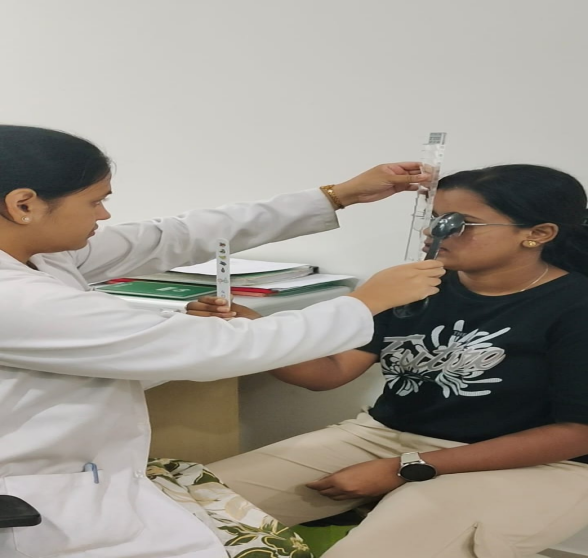

Figure 1: The image shows the Orthoptics assessment
Image Courtesy: Captured by the Author
Treatment
Binocular vision disorders can be efficiently managed through:
- Vision Therapy (Orthoptics exercise)
- Prism lenses when indicated
- Managing contributing factors like dry eye, poor lighting, or prolonged screen use
- Regular breaks during near work using habits such as the 20-20-20 rule


Figure 2: Tranaglyphs used for binocular vision therapy to train fusional vergence and stereopsis.
Image Courtesy: Captured by the Author
Conclusion
Binocular vision disorders are an often-underrecognized cause of eye strain, headaches, and visual discomfort that can significantly impact daily activities, academic performance, and workplace productivity. Because these conditions may not be detected during a routine eye examination, individuals experiencing persistent symptoms should consider a comprehensive binocular vision assessment. Recognizing the role of binocular vision in overall eye health is essential to ensuring accurate diagnosis, effective treatment, and long-term visual well-being.
References
- Scheiman, M., & Wick, B. (2008). Clinical Management of Binocular Vision: Heterophoric, Accommodative, and Eye Movement Disorders. Lippincott Williams & Wilkins.
- Mishra, A., Dass, S., Sharma, B., & Sharma, U. (2026). Impact of binocular vision anomalies and stereopsis on individual performance: A comprehensive review of binocular vision disorders: Binocular vision anomalies and functional performance. Indian Journal of Experimental Biology (IJEB), 64(03), 190-196.
- American Academy of Ophthalmology (AAO). Clinical resources on binocular vision disorders and strabismus. (Useful for evidence-based clinical guidance.)