


Sivapriya T, M.Sc Biochemistry
Assistant Professor, Sri Manakula Vinayagar Medical College and Hospital, Pondicherry, India
Transparency, neuronal communication, and visual perception are all dependent on exact biochemical processes in the metabolically active eye. Different eye disorders can arise from structural and functional defects caused by any disruption in these molecular pathways. Clinicians and researchers may better connect systemic health, metabolism, and nutrition with ocular disease by comprehending the genetic basis of eye illnesses. (1,2)
Tear Film Biochemistry and Dry Eye Disease
The tear film is a complex biochemical mixture of lipids, proteins, mucins, aqueous components, and electrolytes. In dry eye disease, a metabolic imbalance results in tear film instability and inflammation of the ocular surface. Reduced tear proteins like lysozyme and lactoferrin and increased inflammatory cytokines like interleukin-1 and tumor necrosis factor-α. (3) Meibomian gland dysfunction-related abnormalities in the lipid layer encourage tear evaporation, while elevated tear osmolarity harms epithelial cells and sets off inflammatory processes. These metabolic changes result in symptoms like burning, irritation, redness, and blurred vision.
Neurotransmitters and Retinal Signalling
Biochemical signalling is essential for vision. Neurotransmitters like glutamate, dopamine, gamma-aminobutyric acid and glycine connect photoreceptors, bipolar cells, and ganglion cells. (4) Too much glutamate causes excitotoxicity, which damages and kills neurons. This process has been connected to glaucoma, loss of retinal ganglion cells is linked to oxidative stress, increased nitric oxide production, and mitochondrial dysfunction, resulting in progressive damage to the optic nerve.
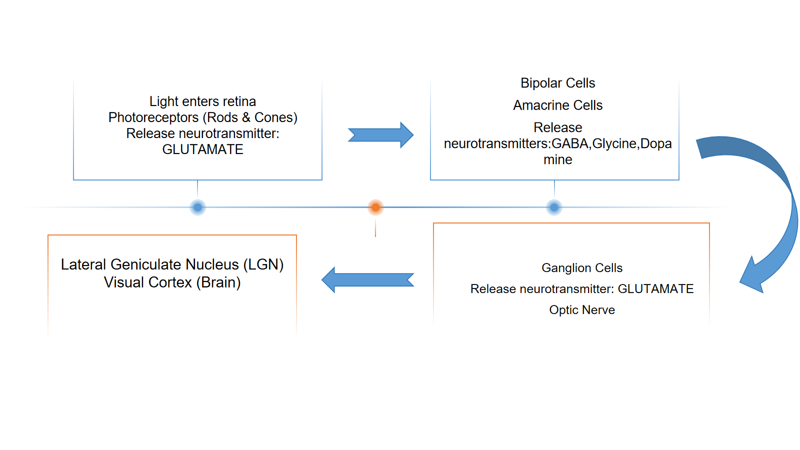

Figure 1: The image shows the neurotransmitters and retinal signalling.
Image Courtesy: Created by the Author
Glucose Metabolism and Diabetic Eye Disease
About 30-40% of people with diabetes worldwide suffer from Diabetic Retinopathy (DR), a major cause of blindness and visual impairment primarily due to altered glucose metabolism. Chronic hyperglycemia sets off the polyol pathway, which uses aldose dehydrogenase to convert glucose to sorbitol, resulting in osmotic stress and cellular damage. The retinal microvasculature is further damaged by elevated oxidative stress and protein kinase C activation, which leads to haemorrhages, neovascularisation, and microaneurysms. (2)
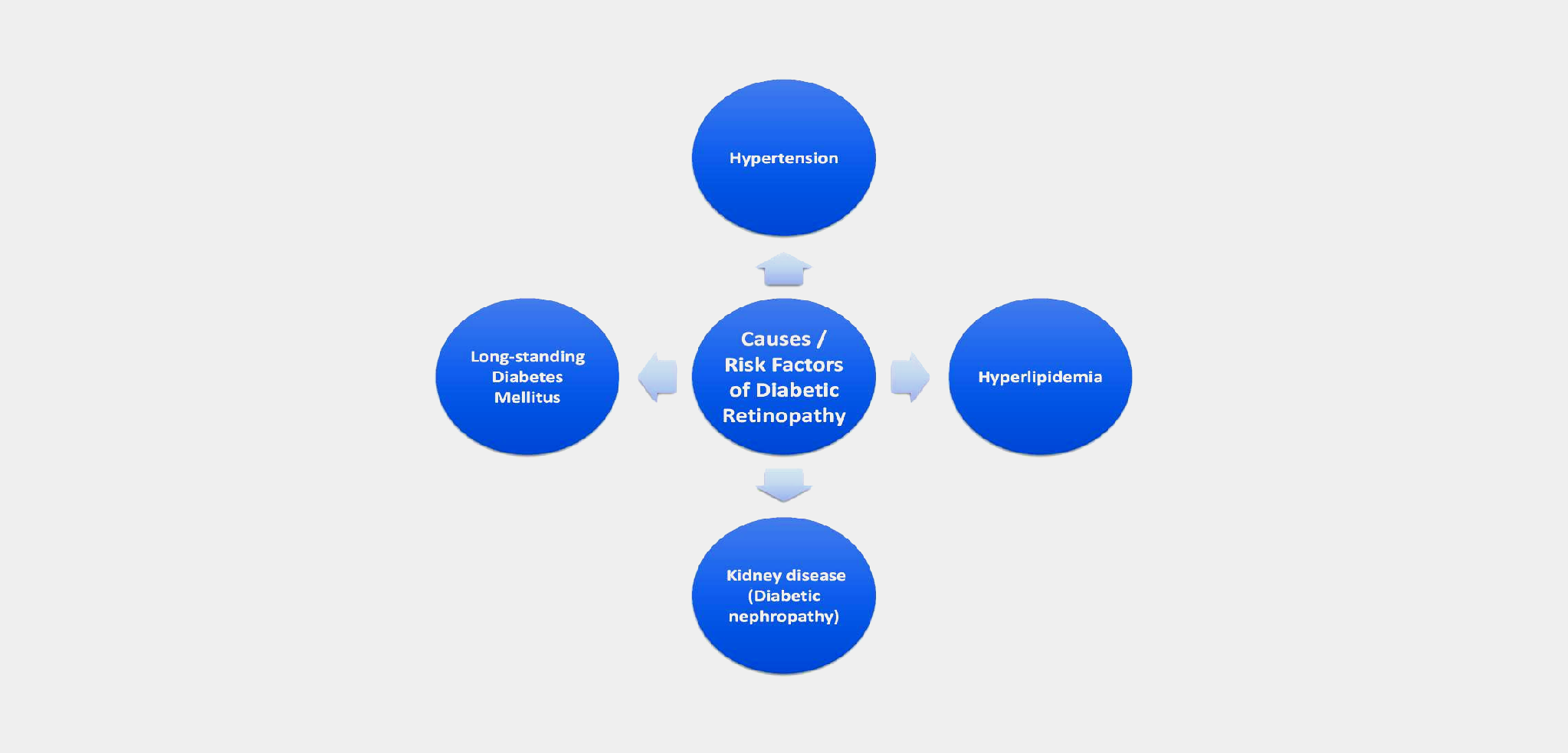

Figure 2: The image shows the factors that lead to Diabetic Retinopathy.
Image Courtesy: Created by the Author
Vitamins, Minerals, and Ocular Biochemistry
Micronutrients are essential for maintaining eye health through metabolism. Vitamin A is necessary for photoreceptors to produce rhodopsin, and its deficiency results in xerophthalmia and night blindness. Vitamins C and E protect the retina and lens from oxidative damage because they are antioxidants. (1)
Zinc is involved in photoreceptor metabolism and retinal enzyme function; zinc deficiency is linked to retinal degeneration and dark adaptation. These biological processes highlight the importance of diet in preventing eye disorders.
Oxidative Stress
Eyes are extremely vulnerable to oxidative damage because it is constantly exposed to light, oxygen, and external factors. Normal metabolism produces reactive oxygen species, but too many reactive oxygen species overwhelm antioxidant defenses and harm proteins, lipids, and DNA. (5) Lens transparency is decreased in cataracts due to oxidative stress, which causes the lens crystalline to break down and coagulate. Reduced levels of antioxidants like glutathione, superoxide dismutase, and catalase hasten lens ageing, and in Age-related Macular Degeneration, oxidative damage to retinal pigment epithelium cells is a major cause of photoreceptor degradation and loss of central vision. (1)
| Biochemical Aspect | Process | Eye Disorder / Effect |
|---|---|---|
| Tear Film Biochemistry | Tear films have lipids, proteins, mucins, and electrolytes. In dry eyes, inflammatory cytokines increase, and protective proteins decrease. | Dry eye, irritation, redness, blurred vision |
| Meibomian Gland Lipid Layer | Meibomian gland dysfunction increases tear evaporation and tear osmolarity. | Dry Eye Disease |
| Neurotransmitters in Retina | Glutamate, dopamine, GABA, and glycine help with retinal cell communication. Excess glutamate damages neurons. | Glaucoma, optic nerve damage |
| Glucose Metabolism | High glucose activates the polyol pathway and forms AGEs, damaging retinal vessels. | Diabetic retinopathy |
| Vitamins and Minerals | Vitamin A helps rhodopsin formation. Vitamins C, E, and zinc support retinal function. | Night blindness, retinal degeneration |
| Oxidative Stress | Reactive oxygen species damage proteins, lipids, and DNA. | Cataract, Age-related macular degeneration |
Table 1: The Table shows biochemical changes associated with eye disorders.
Conclusion
Biochemistry forms the molecular foundation of ocular health and disease. Oxidative stress altered glucose metabolism, inflammatory mediators, neurotransmitter imbalance, and nutritional deficits all contribute to the development of serious eye problems. (1,5) So biochemical pathways improve clinical decision-making and facilitate the targeted therapeutics in Ophthalmology and Optometry. (3,6)
References
- Kanski, J. J., & Bowling, B. (2011). Clinical Ophthalmology: A Systematic Approach. Elsevier Health Sciences.
- Klein, R., Klein, B. E., Moss, S. E., & Cruickshanks, K. J. (1994). Relationship of hyperglycemia to the long-term incidence and progression of diabetic retinopathy. Archives of Internal Medicine, 154(19), 2169–2178.
- Bron, A. J., de Paiva, C. S., Chauhan, S. K., Bonini, S., Gabison, E. E., Jain, S., … & Sullivan, D. A. (2017). TFOS DEWS II Pathophysiology Report. The Ocular Surface, 15(3), 438–510.
- Holmes, D. J., & Harper, J. M. (2018). Birds as models for the biology of aging and aging-related disease: An update. In Conn’s Handbook of Models for Human Aging (pp. 301–312). Academic Press.
- Beatty, S., Koh, H. H., Phil, M., Henson, D., & Boulton, M. (2000). The role of oxidative stress in the pathogenesis of age-related macular degeneration. Survey of Ophthalmology, 45(2), 115–134.
- Mohammed Ramzi Mohammed, & Shahd Ashraf Fathi. (2025). Global Prevalence of Diabetic Retinopathy Over the Last Decade (2015–2025): A Scoping Review.
About the Author


Sivapriya T
Assistant Professor,