Abinaya Sri K(1), B. Optom Student;
Kalyani B(2), Assistant Professor
Dhanalakshmi Srinivasan University, Trichy, India
Athletes rely on their vision to guide them through specific activities, such as hitting a Baseball, sinking a jump shot, or spiking a Volleyball. Gaining a competitive edge can help athletes perform better by developing visual skills, including depth perception, focus, and reaction time.(1)
Why Is Vision Important for Athletes?
- Enhanced Performances
- Reduced Injury Risk
- Enhanced Confidence (1)
Athletic Potential with Vision Optimisation
Having a clear vision that directs both physical movement and strategic decision-making in sports is essential for unlocking the maximum potential of an athlete. By refining and optimising their visual skills, athletes can significantly enhance their reaction times, improve precision in their actions, and elevate their overall performance on the field or court. (3) This focus on visual acuity not only aids in better performance metrics but also fosters a deeper understanding of the game, allowing athletes to anticipate plays and respond with agility and accuracy.
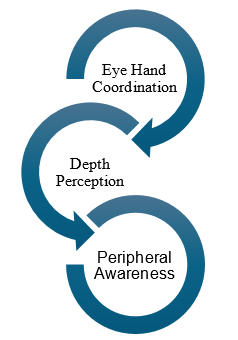

Figure 1: Flow Chart Illustrating the Core Components of Visual Ability in Athletes
Training Programs for Sports Vision
The eye exercises used in sports vision training are customised for each athlete. By focusing on visual skills, these exercises help athletes. (2)
- Eye–Hand Coordination: Enables efficient synchronisation between visual input and hand movement, essential for throwing, catching, and striking actions.
- Dynamic Visual Acuity: Improves the ability to perceive objects clearly while in motion, such as tracking a fast-moving ball during play.
- Peripheral Vision: Enhances awareness of surrounding movement, aiding situational awareness and collision avoidance.
- Focusing Ability: Trains rapid focus shifts between objects, such as scanning the field during active gameplay.
- Reaction Time: Develops faster visual processing and response to stimuli, resulting in improved reflexes and performance. (2)
Protective Sports Eyewear
- Sports Eyewear: Includes sports goggles, prescription sunglasses for outdoor activities, and contact lenses used with protective eyewear.
- Sports Goggles: Available in various designs, particularly for racquet sports, basketball, and soccer.
- Polycarbonate Lenses: Impact-resistant lenses that offer protection from flying objects and ultraviolet radiation, making them ideal for outdoor sports.
- Helmets with Face Shields: Used in sports like cricket to reduce glare and protect against high-speed projectiles. (5)
Vision Training for Blind Athletes
- Sensory training to enhance non-visual perception
- Obstacle navigation training
- Running with a guide
- Teamwork and communication strategies
- Use of technology such as wearable devices and adaptive applications(6)
Conclusion
The key to athletic success is having optimal eyesight, which improves the capacity of an athlete for effective tracking, reaction, and response. Sports-specific drills, vision-training activities, and lifestyle modifications can help athletes reach their objectives and obtain a competitive advantage. Understanding the game and realising your full potential are more important than merely witnessing it.
References
- Lochhead, L., Feng, J., Laby, D. M., & Appelbaum, L. G. (2024). Training vision in athletes to improve sports performance: A systematic review. International Review of Sport and Exercise Psychology, 1–23.
- Buscemi, A., Mondelli, F., Biagini, I., Gueli, S., D’Agostino, A., & Coco, M. (2024). Role of sport vision in performance. Journal of Functional Morphology and Kinesiology, 9(2), 92.
- Exel, J., & Dabnichki, P. (2024). Precision sports science and athlete performance optimisation. Applied Sciences, 14(8), 3361.
- Dain, S. J. (2016). Sports eyewear protective standards. Clinical and Experimental Optometry, 99(1), 4–23.
- Appelbaum, L. G., & Erickson, G. (2018). Sports vision training and digital techniques. International Review of Sport and Exercise Psychology, 11(1), 160–189.
- Hanrahan, S. J., Grove, J. R., & Lockwood, R. J. (1990). Psychological skills training for blind athletes. Adapted Physical Activity Quarterly, 7(2), 143–155.
About the Author


1. Abinaya Sri K
Student
Dhanalakshmi Srinivasan University, Trichy, India