



Puja Sarkar, M. Optom
Adjunct Optometrist, Dr. Shroff’s Charity Eye Hospital, Delhi, India
Eye banking plays a vital role in supplying viable corneal tissue for transplantation. When a cornea is donated, it should be handled with proper care until it is transplanted into the host’s eye. In an eye bank, corneal preservation is one of the most important steps. The main aim is to keep the cornea healthy and reduce risk of infections post-surgical procedures. (1)
Essentials of Eye Banking
The essentials of eye banking can be better explained with a flowchart. (2)


Figure 1: Flowchart showing the Steps Involved in the Process of Eye Donation
Points to be Noted
- Corneas are taken from the donor within 6–8 hours after death. (3)
- In donor screening, evaluating a donor’s medical history and performing serological testing for infectious diseases is recommended. (3)
- Corneal tissue after extraction is examined under slit lamp bio-microscope and a specular microscope. (3)

Figure 2: Flowchart showing Various Methods of Corneal Preservation
As there are already various awareness articles regarding the procedures in eye banking, this blog aims to shed light on the different preservation methods in the next section.
Comparison of Corneal Preservation Methods
1. Hypothermic Storage (Cold Storage)
Hypothermic storage is one of the most widely used short-term preservation techniques for donor corneas. In this method, the cornea is immersed in a preservation solution such as Optisol-GS or McCarey–Kaufman (M-K) medium and stored at 2–6°C. (2)
The reduced temperature slows metabolic activity, decreasing endothelial cell loss and prolonging tissue viability. The medium contains nutrients, buffers, antibiotics, and antioxidants to support corneal health and reduce microbial risk.
Using this technique, the donor cornea remains suitable for transplantation for approximately 14 days. (3)
2. Organ Culture (OC)
Organ culture is a long-term corneal storage method commonly used in European and Asian eye banks. In this technique, the cornea is stored in a nutrient-rich culture medium at 31–37°C, which allows the corneal cells to remain metabolically active. (4)
The warm temperature supports cellular repair and allows early detection of microbial contamination. Contaminated media can be detected and discarded before transplantation.
With organ culture, donor corneas can be preserved for up to 4 weeks, and sometimes longer, depending on the specific protocol and media used. (4)
3. Cryopreservation
Cryopreservation is used for very long-term storage of corneal tissues, especially when the tissue is intended for therapeutic or emergency procedures rather than optical-quality transplantation. (4)
In this method, the cornea is gradually cooled and stored at extremely low temperatures, usually -80°C or below, effectively halting all metabolic and cellular activity. Before freezing, cryoprotective agents such as glycerol or Dimethyl Sulfoxide (DMSO) are added to prevent intracellular ice crystal formation, which could damage the tissue. (4)
Although cryopreserved corneas may not retain fully viable endothelial cells for optical keratoplasty, they remain highly valuable for surgeries like tectonic grafts, patch grafts, and treatment of infectious corneal melts. (4)
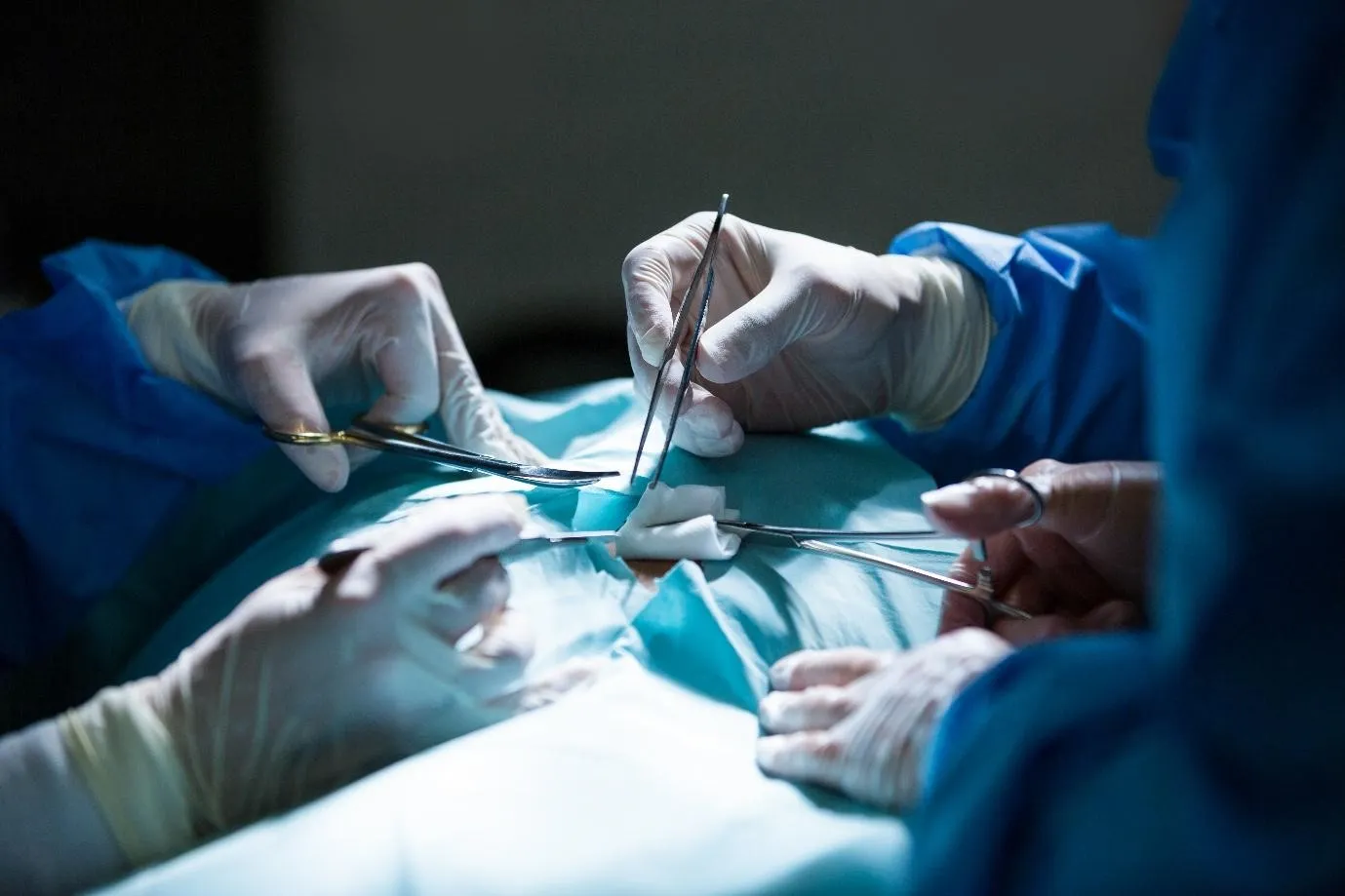
Figure 3: Surgeons Performing Various Procedures in the Operating Theatre
Choosing the Right Method
| Factor | Hypothermic Storage | Organ Culture | Cryopreservation |
|---|---|---|---|
| Endothelial viability | High but declines over time | Excellent | Minimal (cells often damaged) |
| Storage time | Up to 14 days | Up to 4 weeks | Unlimited (rarely for clinical use) |
| Equipment and Cost | Simple and inexpensive | Complex and expensive | Highly complex and costly |
| Technical Expertise | Low | High | High |
| Primary Use | Keratoplasty | Keratoplasty (extended shelf-life) | Emergency / tectonic grafts |
Table 1: Comparison of Different Corneal Preservation Methods
Conclusion
Room temperature storage is not suitable for standard eye banks because it affects corneal transparency and cell survival. To maintain endothelial cell health, the cornea should be preserved in Opti sol-GS or M-K medium and it must be kept in cold condition (2-8°C). Hypothermic storage is the most practical and commonly used technique for short-term preservation, while organ culture offers longer storage time and flexibility for planned surgeries. Cryopreservation serves as a valuable backup option for therapeutic and emergency use. (1,5)
References
- Eye Bank Association of America. Medical Standards for Eye Banking.
- American Academy of Ophthalmology. YO Info.
- Corneal Preservation & Eye Banking in India. Indian Journal of Ophthalmology.
- Armitage, W. J. (2009). Preservation of the human cornea.
- McCarey, B. E., & Kaufman, H. E. (1974). Improved Corneal Storage.
- Hamon, L. et al. (2023). Modern Eye Banking: Preservation, Tissue Types & Selection.