


Gajalakshmi G, B. Optom
Tutor, SRM Medical College and Research Centre, Chennai, India
Spectacle wear represents the most common method for correcting refractive problems, but its acceptance depends not only on vision correction but also on factors such as appearance and social considerations. Preferences vary across age groups, and individuals consider multiple criteria when selecting spectacle frames, including quality, functionality, cost, style, shape, colour, and current fashion trends. Decision making is further influenced by the complex interaction of self-desires, social identity, cultural factors, psychological and economic circumstances, as well as the product attributes and marketing strategies. (1) Specifically, promotional campaigns and online platforms play a crucial role in influencing consumer expectations and purchasing habits.
Factors Influencing Buying Options
- Influencer, friend, or known circle recommendation. (2)
- Convenience, discounts, and a diverse selection of collections were all intended to attract customers. (3)
- Purchase intention is reinforced by the incorporation of modern aesthetics, customisation, and personalised designs, as well as a growing fashion trend and brand association. (5)
- Innovative materials and technologies, enhanced functionality, and well-known brands and logos in the marketplace all contribute to higher consumer satisfaction. (6)
In-store vs Online Purchases
A study among millennial participants’ in-store purchases highlights the importance of physically trying on spectacle frames and assessing their fit before making a purchase. Higher satisfaction was reported when high-quality lenses were obtained in person, along with the benefits of insurance coverage, professional guidance, accurate measurements, and follow-up care provided by optical practitioners. (2)
Online purchasing showed higher satisfaction due to its cost-effectiveness, ease, and comfort. Consumers also appreciated the wider selection of frames available and perceived the quality to be comparable to that of in-store purchases. (2)
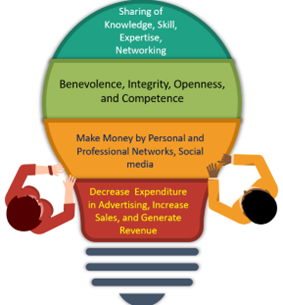

Figure 1: This image shows the role of affiliate marketing.
Image Courtesy: Created by the Author
Purchasing Trend Over Time
In recent years, evolving beauty and fashion standards have put pressure to maintain a desirable appearance, leading to lower self-esteem and negative body image among some individuals. These issues are again amplified by social media, promoting inflated beauty standards, Gender norms, and celebrity endorsement. Over time, social stereotypes changed from association with unattractiveness to more positive stereotyping, with eyewear increasingly viewed as a component of facial beauty and overall physical attractiveness. (5) In modern society, the concept of feeling ugly with glasses has changed over time, causing positive stereotyping as facial beauty also becomes one of physical attractiveness.(6)
Insights and Implications
Many customers find it challenging to visit optical stores because of their hectic work schedules. Providing both online and in-store choices can increase accessibility and foster company expansion. AI tools and social media are crucial for knowledge sharing and raising consumer awareness of visual conditions and products. To guarantee proper selection and long-term sustainability, this change increases the obligation on Optometrists and Opticians to uphold moral standards, stay current with technological advancements, and clearly communicate the advantages and disadvantages of frame and lens options.
Conclusion
Collecting feedback and conducting surveys among people with vision correction could help assess their expectations, needs, and inconveniences associated with wearing spectacles. Concurrently, it will shape the future of eye care by assisting clinicians, designers, and policymakers in improving spectacle design, acceptance, overall user satisfaction, and business outcomes.
References
- Ramlagun, K. (2024). Aesthetics and spectacle wear: investigating perceived harmony between face shape and spectacle frame shape (Doctoral dissertation, Anglia Ruskin Research Online (ARRO)).
- Karlovic, M. (2020). Millennial attitudes and preferences of purchasing prescription eyewear.
- Santhababu, S., Kumaran, S. L., & Pachiyappan, T. (2025). Consumer Behavior in the Indian Online Eyewear Market After COVID-19: A Trend or Public Concern?. Cureus, 17(1).
- Gheorghe, C. M., Purcărea, V. L., & Gheorghe, I. R. (2022). Affiliate Marketing in ophthalmological services. Romanian Journal of Ophthalmology, 66(1), 17.
- AlRyalat, S. A., Jumaah, M., Al Hajaj, S. W., Al-Noaaimi, F., Alawneh, Y., & Al-Rawashdeh, A. (2022). The effect of wearing eyeglasses on the perception of attractiveness, confidence, and intelligence. Cureus, 14(3).
- Su, H. N. (2024). A Study on Eyewear Design Quality Using the Kano Two-Dimensional Quality Model. Engineering Proceedings, 74(1), 72.
About the Author


Gajalakshmi G
Tutor