


Bavirisetty Sai Balakrishna, M. Optom
Head of Department, Pushpagiri Eye Foundation, Cuddapah, India
When natural or man-made disasters, such as chemical leaks, wildfires, extreme weather, or disease outbreaks occur, public health systems are under great stress.
Although disaster response primarily focuses on treating injuries, providing orthopaedic care, and managing emergency triage, the eyes are among the most vulnerable body parts in such situations. This blog highlights the vital role of Optometrists during disasters, as they collaborate with Paramedics and Surgeons to ensure both survival and long-term recovery. (1)
Disaster Response: Phases and the Role of Optometrists
Disaster response is typically divided into four phases: response, recovery, mitigation, and preparedness. During the first stage, known as the acute response, the main aim is to save lives and treat injuries. In situations involving many casualties, emergency rooms face significant challenges, and Optometrists play a crucial role in evaluating eye injuries and reducing the workload on surgical teams. (2)
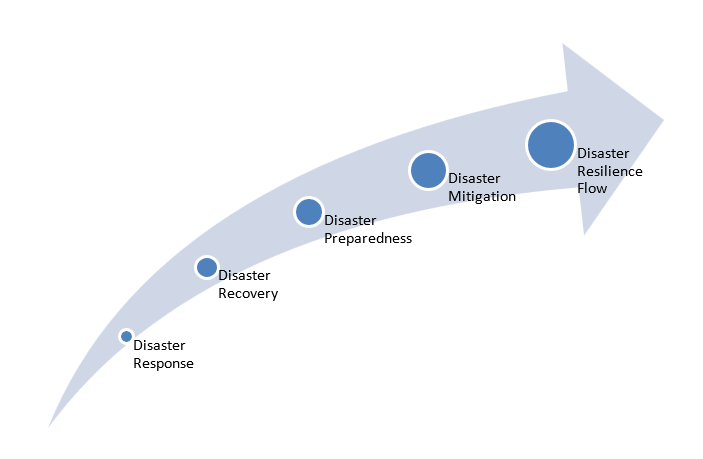

Figure 1: This image shows the journey of the disaster management cycle.
Image Courtesy: Created by the Author
The primary goal of Optometry during this window is sight-saving triage and emergency decongestion. (3)
Phase 1:
The Golden Hour: Immediate Eye Care for Acute Response (The First 0–72 Hours)
In the confusion of a disaster, eye injuries are very common. Optometrists quickly assess injuries to determine if the eye is open or closed. Open eye injuries require immediate sterile treatment and surgery, while closed injuries can often be handled locally. Optometrists also perform emergency chemical decontamination, remove foreign objects, and treat infections. This quick action helps prevent permanent blindness and improves the chances of recovery for survivors. (4)
Phase 2:
Once immediate life and sight threats are stabilised, the operational focus shifts to functional restoration and community health surveillance.
Restoring Function: The Recovery Phase
After dealing with immediate dangers, the focus moves to restoring function and monitoring community health. People who lose their vision face serious difficulties in moving around shelters, getting medical help, or even finding family members. Mobile optometry units provide emergency eyewear quickly using autorefractors and pre-cut lenses. Additionally, optometrists make sure that patients with long-term eye conditions continue their treatment and switch contact lens users to safer options when water sources are unsafe. (5)
Phase 3:
Are You Prepared? Don’t wait for the crisis. Optometrists recommend adding these to your Go-to Bag.
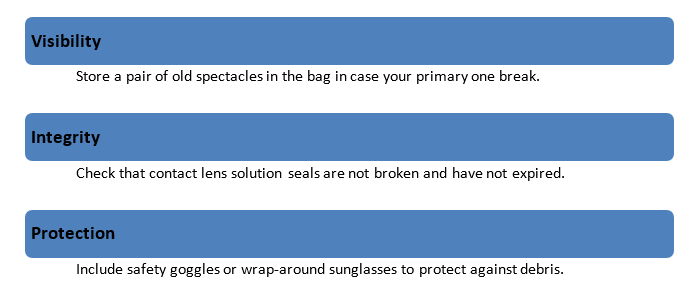

Figure 2: The image shows the kit for Optometrists’ recommended go-to bag.
Image Courtesy: Created by the Author
Sentinel Surveillance: Detecting Systemic Threats
The eye can act as an early warning system for infections or exposure to harmful substances. Optometrists monitor for signs of viral outbreaks or toxic exposure, alerting public health officials to potential dangers.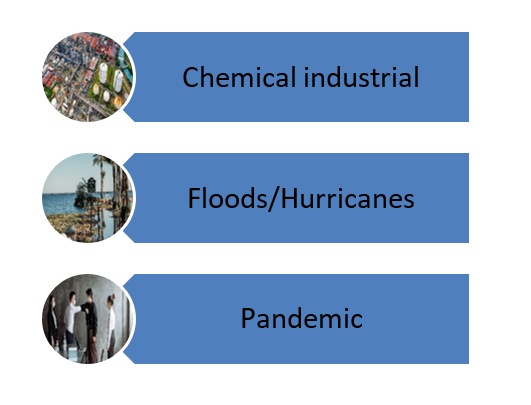

Figure 3: This image shows the quick guide for eye risks by disaster.
Image Courtesy: Created by the Author
Preparedness and Integration
Optometrists should be part of local emergency plans. They suggest including spare glasses, a printed prescription, and a day’s supply of eye drops in emergency kits.
Conclusion
Optometrists are often not considered in disaster response, however, their skills are vital for saving sight and lives. Including their expertise in emergency plans helps create a more effective and complete response.
References
- Hom GG, Chous AP. The prospect of pandemic influenza: Why should the optometrist be concerned about a public health problem? Optometry – Journal of the American Optometric Association. 2007 Dec;78(12):629–43.
- Psoter WJ, Glotzer DL, Weiserbs KF, Baek LS, Rajiv Karloopia. A survey of optometry leadership: Participation in disaster response. Optometry. 2011 Oct 28;83(1):27–32.
- Psoter WJ, Glotzer DL, Weiserbs KF, Baek LS, Karloopia R. A survey of optometry leadership: Participation in disaster response. Optometry – Journal of the American Optometric Association [Internet]. 2012 Jan [cited 2026 July 22];83(1):27–32. Available from: https://pmc.ncbi.nlm.nih.gov/articles/pmc7106212/
- Makwana T, Gupta N, Praveen Vashist. Ocular emergencies in the South Asia region. Community Eye Health [Internet]. 2019 Feb 10 [cited 2026 July 22];31(104):S1. Available from: https://pmc.ncbi.nlm.nih.gov/articles/pmc6390520/
- Reilly CD, Waller SG, Flynn WJ, Montalvo MA, Ward JB. U.S. Air Force Mobile Ophthalmic Surgery Team. Military Medicine. 2004 Dec;169(12):952–7.
About the Author


Bavirisetty Sai Balakrishna
Head of Department,