


Moumita Marick, B. Optom
Consultant Optometrist, Sanjeev Netralaya, Jamshedpur, India
Climate change refers to long-term shifts in temperatures and weather patterns. Such shifts can be natural, due to changes in the activity of the sun or large volcanic eruptions. But since the 1800s, human activities have been the main driver of climate change, primarily due to the burning of fossil fuels like coal, oil and gas.
The main greenhouse gases causing climate change are carbon dioxide and methane. These come from using gasoline for driving a car or coal for heating a building, for example. Clearing land and cutting down forests can also release carbon dioxide. Agriculture, oil, and gas operations are major sources of methane emissions. Energy, industry, transport, buildings, agriculture and land use are among the main sectors causing greenhouse gases.
Climate change has emerged as a pressing public health concern, with growing evidence that its environmental impacts extend to ocular health. Rising ultraviolet radiation, deteriorating air quality, and extreme weather events contribute to both acute and chronic eye diseases. (1)
Impact of Climate Change and Environmental Factors on Eye Health
Climate change has been reported to cause a major effect on eye health. It has been found that a heat wave can affect the inflammatory process of the cornea. This can be a predisposing factor for viral, bacterial, and fungal infections of the eye, along with allergic reactions. The increase in the level of Ultraviolet (UV) radiation can cause a reduction in cell immunity and increase susceptibility to various infections and inflammation of the eye. (2)
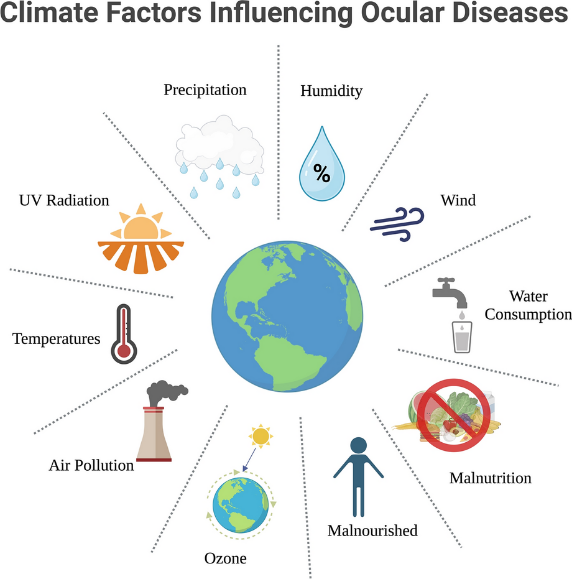

Figure 1: This image shows the climate factors influencing infectious ocular diseases. (3)
Image Courtesy: Created by the Author
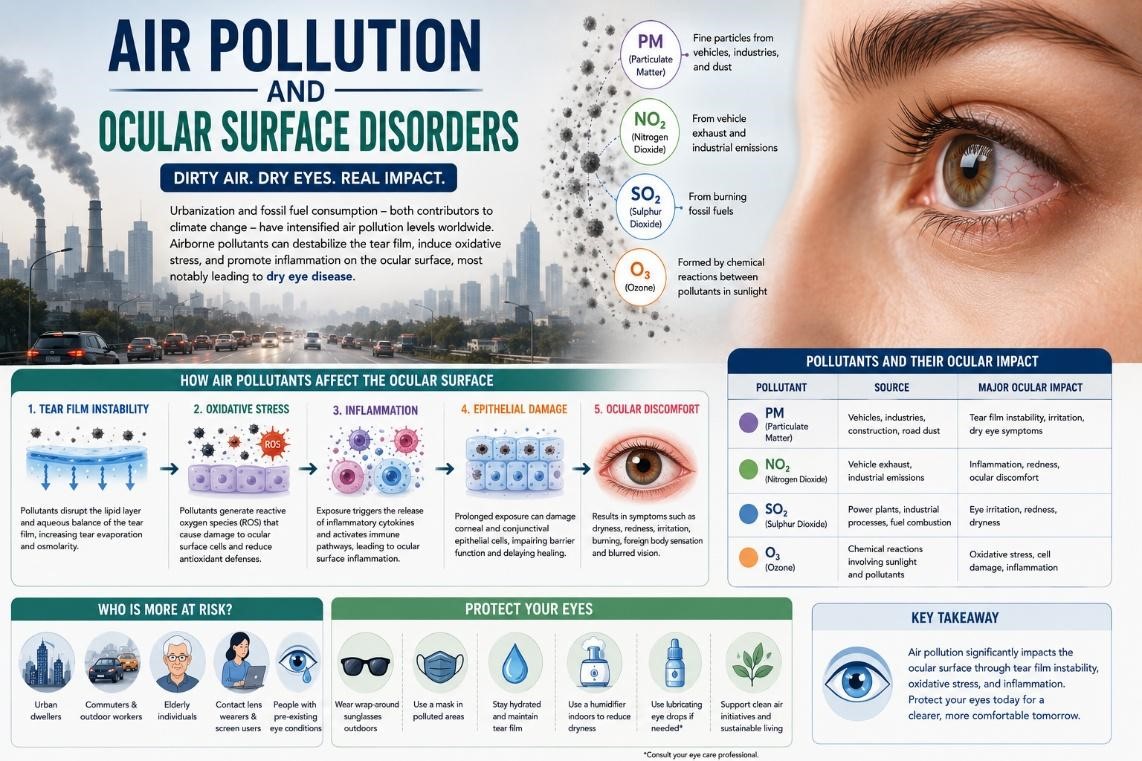

Figure 2: The image shows the air pollution and ocular surface disorders.
Image Courtesy: Created by the Author
Dry Eye Syndrome and Changing Meteorological Patterns
Beyond pollution, climate change alters meteorological variables – humidity, wind patterns, and temperature – all of which influence tear evaporation rates and ocular comfort. Increasingly frequent heatwaves and lower humidity levels can accelerate tear film breakup, aggravating symptoms of dry eye. Seasonal variability in dry eye prevalence is becoming more pronounced, especially in colder regions experiencing drier winters and hotter summers. Patients with existing ocular surface disorders, contact lens wearers, and older adults are disproportionately affected. (1)
Cornea, Sclera, and Conjunctiva
-
Increasing inflammation: Allergic Keratoconjunctivitis, Marginal Keratitis, Dry Keratitis, Chronic Episcleritis, Corneal Metaplasia, and Pterygium.
-
Increasing infections and superinfections: Corneal and Conjunctival Herpes simplex and Herpes Zoster, Viral Keratoconjunctivitis, Accidental Corneal Fungal Injuries, Infectious Corneal Injuries, non-fungal injury by Contact Lens.
-
Tumour processes in Cornea, Conjunctive and Ocular Annexes: Epidermoid Neoplasia of Ocular Surface, Basal Cell Carcinoma of Eyelid. (4)
Cicatrising Conjunctivitis
Cicatrising Conjunctivitis (CC) is a heterogeneous group of sight-threatening diseases with characteristic hallmarks of ocular surface inflammation and scarring. In developed countries where trachoma, an important worldwide cause of CC, has been eliminated, Stevens-Johnson syndrome and mucous membrane pemphigoid with ocular involvement are the most common causes of CC. (5)
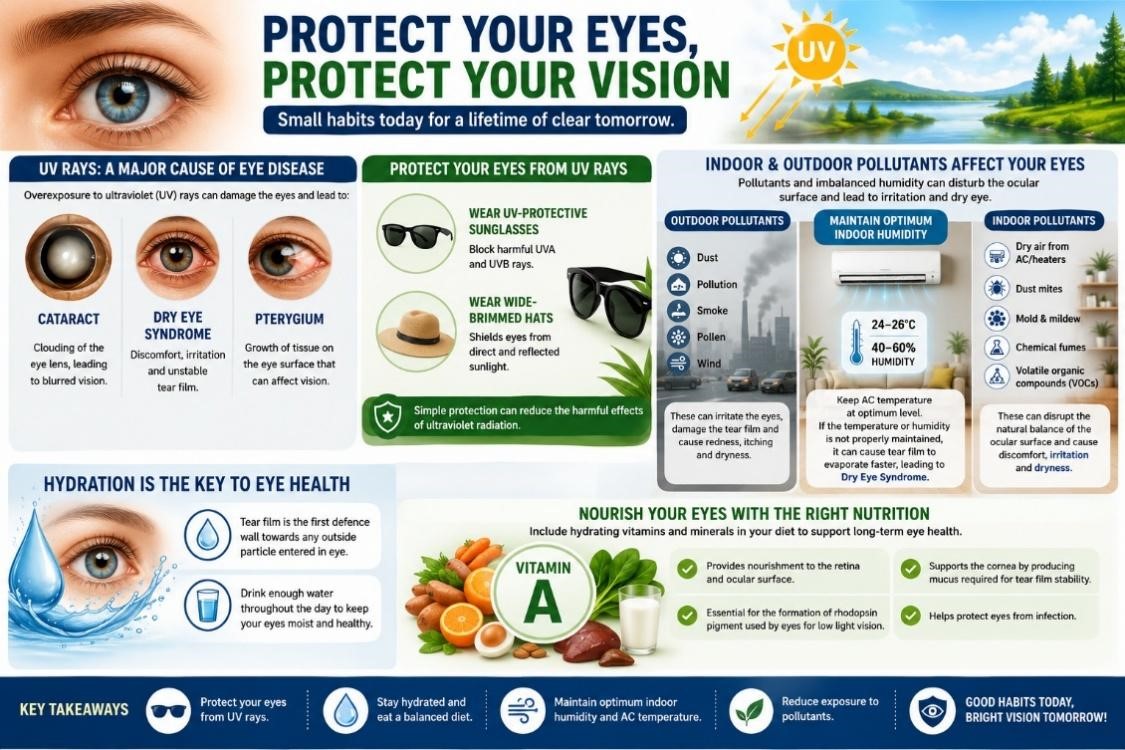

Figure 3: The image shows how to protect eye health.
Image Courtesy: Created by the Author
Conclusion
Climate change is altering the epidemiology of infectious ocular diseases, with factors such as precipitation, temperature, humidity, wind, air pollution, and malnutrition influencing their transmission and severity. Rising temperatures have expanded climate-sensitive diseases, while changes in humidity and precipitation have increased fungal and vector-borne infections.
To mitigate these effects, strengthening epidemiological surveillance, vector control, and community education is essential. The implementation of clinical guidelines has proven effective in reducing the burden of infectious ocular diseases.
References
- Onyeze, N. S., & Jacob, J. (2025). Climate Change and Its Impact on Ocular Health: A Systematic Review. Cureus, 17(9), e91614-e91614.
- Ghosha, R., Ghosh, D., Ghosh, S., & Mukherjee, G. (2023). Impact of climate change and related environmental factors on eye health in India-A narrative review. Ecol. Environ. Conserv., 5, 2.
- Le Tong, Y., Cifuentes-González, C., Agrawal, K., Shakarchi, F., Song, X. Y. R., Ji, J. S., & Agrawal, R. (2025). Climate change and the impact on ocular infectious diseases: A narrative review. Ophthalmology and therapy, 14(8), 1695-1712.
- Echevarría-Lucas, L., Senciales-González, J. M., Medialdea-Hurtado, M. E., & Rodrigo-Comino, J. (2021). Impact of climate change on eye diseases and associated economical costs. International journal of environmental research and public health, 18(13), 7197.
- Hong, M., Tong, L., Mehta, J. S., & Ong, H. S. (2023). Impact of exposomes on ocular surface diseases. International Journal of Molecular Sciences, 24(14), 11273.
- Nage, P., Shitole, S., & Kokare, M. THE IMPACT OF CLIMATE CHANGE ON EYE HEALTH.
About the Author


Moumita Marick
Consultant Optometrist,