


Tithi Mahato, B. Optom Student
NSHM College of Management and Technology, Durgapur, India
Children often show what they see in drawings long before they can describe it in words. A simple house, a stick figure, or a colouring page can quietly reveal how well a child’s eyes and brain are working together. For parents, teachers, and Optometrists, these drawings can serve as early visual cues and may highlight problems that routine observation might otherwise miss.
Drawing relies on clear vision and several key visual skills, including:
- Eye–hand coordination
- Visual perception
- Attention
When any part of this visual system is not working properly, it can show up in the drawings of the children as missing or unusual details, such as:
- Poor spacing.
- Shaky or uneven lines.
- Reversed or oddly shaped figures.
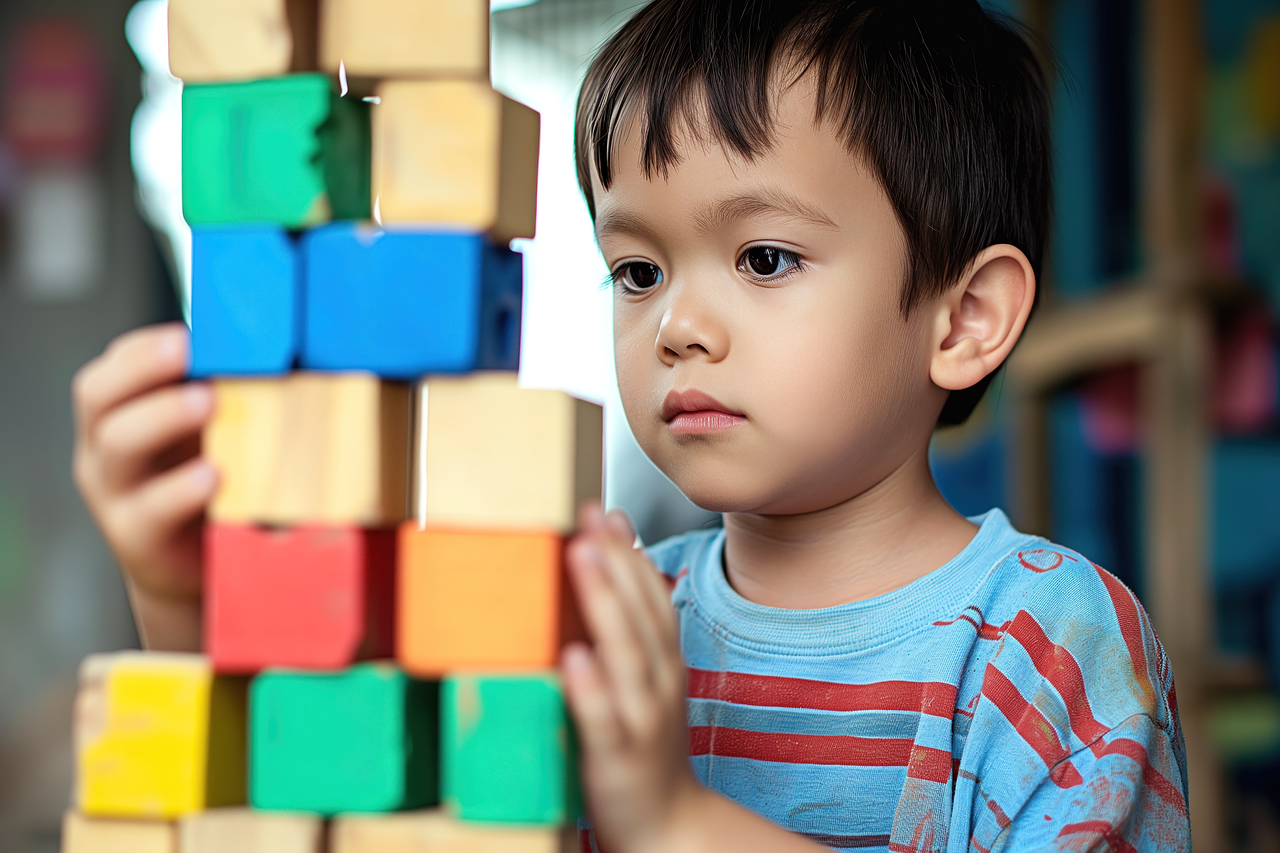

Figure 1: This image shows eye-hand coordination of a child.
Image Courtesy: https://cdn.pixabay.com/photo/2024/01/05/14/58/ai-generated-8489648_1280.png
These signs do not always mean there is a vision problem, but if they appear repeatedly, they deserve closer attention.
Real-life Cases:
- Case 1: A 6-year-old repeatedly draws people without eyes or fingers. During a clinic visit, the child is found to have an uncorrected refractive error, such as Myopia, Hyperopia, and Astigmatism, which makes it difficult to see fine details clearly. (2)
- Case 2: Drawings of a student are crowded to one side of the page with uneven spacing. Further testing shows difficulties with visual-spatial perception, which can also affect reading and writing, which is different from Dyslexia.
- Case 3: A child avoids drawing and often complains of tired eyes. Their sketches have shaky lines and poor control. An eye examination later reveals binocular vision problems that cause visual fatigue during near tasks.
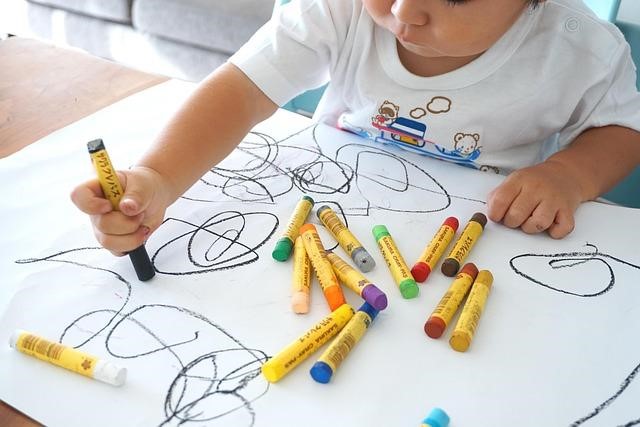

Figure 2: This image shows a drawing of a child.
Image Courtesy: https://cdn.pixabay.com/photo/2017/01/26/05/13/oekaki-2009817_1280.jpg
Clinical Significance:
A drawing of a child is not a diagnostic tool, but it can be a helpful screening indicator. When unusual drawing patterns appear along with symptoms such as: (3)
- Headaches or eye strain
- Short attention span
- Poor academic performance, avoidance of near work
Clinical Suggestion:
These signs strongly suggest the need for a comprehensive paediatric eye examination, including binocular vision and visual-motor assessment. Early identification can help prevent long-term learning difficulties and confidence issues.
How Optometrists Decode the Signs by Turning Drawings into Diagnosis:
- Evaluate visual acuity
- Assess accommodation
- Examine binocular vision
- Assess visual perception
- Check eye-hand coordination
- Educate parents and teachers about possible visual problems and recommend spectacles, vision therapy, or referrals when needed. (4)
Conclusion:
The drawing of a child is more than just creativity. It can be a quiet window into how they see the world. Recognising these signs early allows optometrists to support better vision, learning, and overall development. (5)
References:
- Vinter A, Bonin P, Morgan P. The severity of the visual impairment and practice matter for drawing ability in children. *Res Dev Disabil*. 2018 Jul;78:15-26. doi: 10.1016/j.ridd.2018.04.027. Epub 2018 May 3. PMID: 29730506.
- Golomb C. Representation and reality: The origins and determinants of young children’s drawings. *Review of Research in Visual Arts Education*. 1981 Oct 1:36-48.
- Salt A, Sargent J. Common visual problems in children with disability. *Archives of disease in childhood*. 2014 Dec 1;99(12):1163-8.
- Madamanchi A, Chaudhary DG, Ramanathan B, et al. Role of visual motor integration in academic performance of preschool children. *Texila Int J Public Health*. 2013;13(1).
- Rogers GL, Bremer DL, Leguire LE, Fellows RR. Clinical assessment of visual function in the young child: a prospective study of binocular vision. *J Pediatr Ophthalmol Strabismus*. 1986;23(5):233-235.
About the Author



Tithi Mahato
B. Optom Student