Trisha Dey, B. Optom, FICO
Consultant Optometrist, P C Sharma Eye Hospital, Ambala, India
Soft contact lens design has accepted for decades that the venal design constraint is maintaining adequate oxygen transmissibility (Dk/t) for corneal health. Even though silicone hydrogel lenses improved oxygen transmission property significantly, compared to hydrogel lenses, silicone has its disadvantages, including hypertrophy of lipids on the soft lens surface, surface wetting, and allergic reactions. (1) Researchers are working to develop a micro-vented contact lens to provide oxygen in a novel manner through vents, without using silicone.
What Are Micro-Vented Lenses?
Micro-vented contact lenses incorporate microscopic pores or channels within the lens structure to enable the exchange of oxygen and tears. Unlike conventional designs that depend solely on material oxygen permeability, these lenses create a more natural “breathing” mechanism for the cornea by facilitating direct oxygen diffusion and tear circulation. (2)
Design Principles Include
-
Nanopores or Microchannels: Precisely engineered microscopic openings allow controlled oxygen diffusion to the corneal surface. (2)
-
Enhanced Tear Exchange: Improved tear movement supports nutrient delivery and waste removal, contributing to corneal homeostasis. (2)
-
Hydrophilic Polymers: Lens materials are designed to retain moisture and enhance comfort without relying on silicone. (2)
Why Move Beyond Silicone?
While silicone hydrogel lenses may become the ‘mainstream’ soft contact lens and dominate the lens market, they are not without disadvantages.
-
Reduced Wettability: Silicone surfaces often require additional surface treatments or coatings to improve comfort. (3)
-
Deposit Accumulation: Increased lipid deposition can affect lens clarity, wearing comfort, and overall wearing time. (3)
-
Higher Cost: Silicone hydrogel lenses are generally more expensive than traditional alternatives. (3)
Fiction with micro-vented designs could surpass the disadvantages while maintaining appropriate levels of oxygenation.(3)
Possible Benefits of Micro-Vented Lenses
- Enhanced oxygen delivery supports corneal metabolic stability and long-term ocular health. (4)
- Improved tear exchange promotes natural lubrication and efficient waste removal. (4)
- Reduced risk of hypoxia and corneal oedema, improving safety and comfort. (4)
- Lower modulus than silicone hydrogels, resulting in greater softness and flexibility. (4)
- Reduced lipid deposition and cleaner lens surfaces over time. (4)
- Use of hydrophilic, non-silicone materials may enhance biocompatibility. (4)
- Potential for environmentally friendly manufacturing processes. (4)
- Encouragement for daily-wear modalities due to improved comfort and safety. (4)
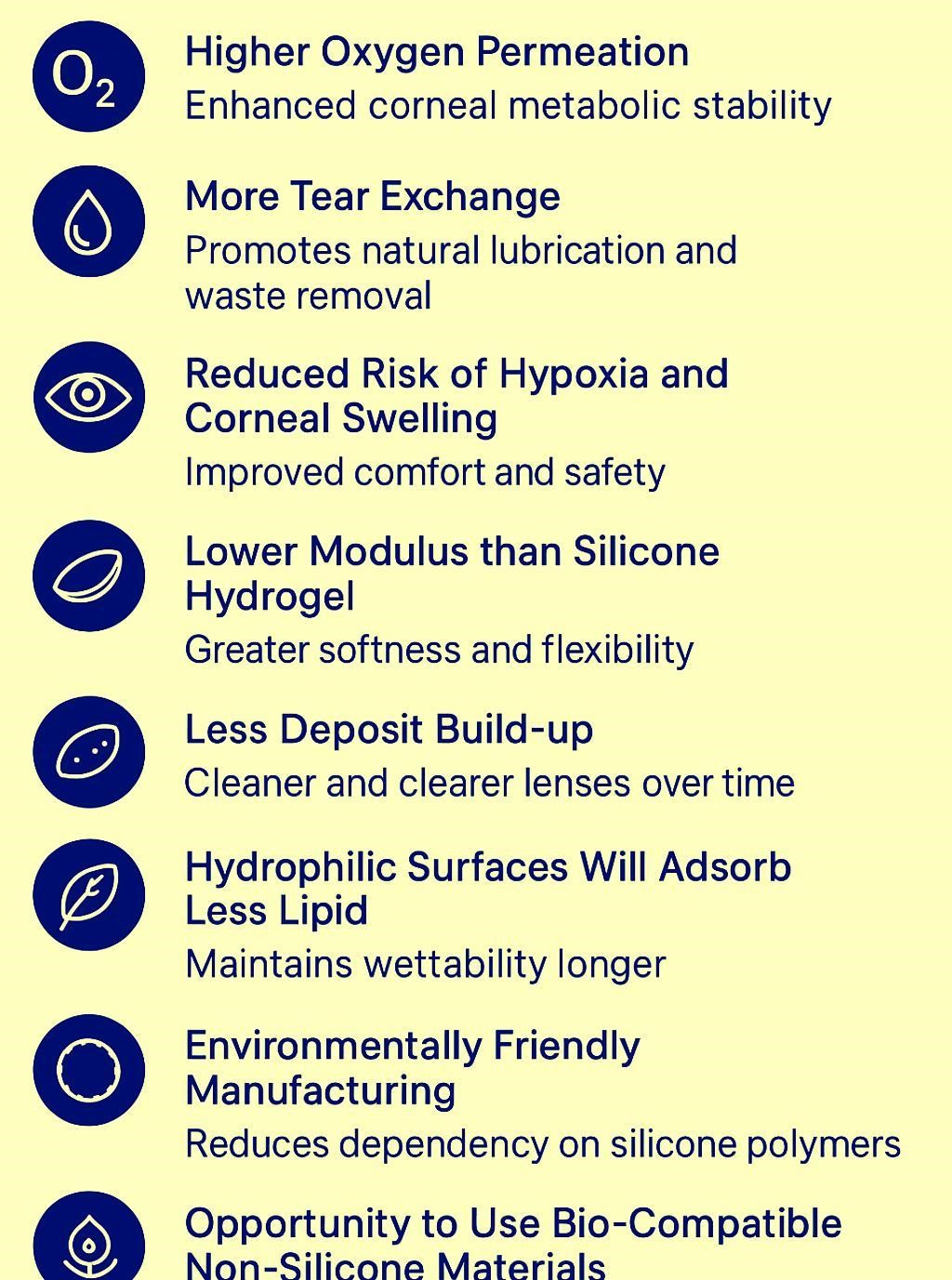

Figure 1: Possible Benefits of Micro-Vented Contact Lenses
Circumstances in Development Strength
- The micro-channels or vents may weaken the lens or create a tear point or perforation. (4)
- Lens Quality: Pores must be designed to reduce scattering and resulting distortion in vision. (4)
- Microbial Risks: Any pore or vent is a potential source for microorganisms if there are not rigorous safety standards in the design. (4)
- Manufacturing: Precision manufacturing using nanotechnology is expensive and not scalable for mass production. (4)
Future Perspectives
New developments in both 3D printing and nanofabrication can help realize the micro-vented contact lens. If successfully commercialised, these lens systems may offer the comfort of hydrogels with the oxygen capabilities of silicone hydrogels with the absence of limitations. Clinical trials will be necessary to evaluate for long term safety, tear film stability and patient usability.(4,5)
Conclusion
Micro-vented contact lenses could be the next advancement in soft lens technology, allowing the cornea to “breathe normally” without silicone. While there are still technical challenges to address, the idea is a promising opportunity for improving the comfort of eye wearers and ocular health in the future of contact lens wear.(5)
References
- Efron, N. (2019). Contact lens materials: Oxygen and beyond. Contact Lens & Anterior Eye, 42(4), 325–333.
- Kim, S. H., & Lee, S. H. (2021). Advances in nanofabrication for ophthalmic lenses. Journal of Biomedical Nanotechnology, 17(9), 1725–1734.
- Stapleton, F., et al. (2013). The epidemiology of contact lens-related infiltrates. Ophthalmology, 120(8), 1654–1661.
- Brennan, N. A. (2020). Oxygen and the eye: A new perspective. Eye & Contact Lens, 46(4), 197–204.
- Morgan, P. B., et al. (2018). Trends in silicone hydrogel lens prescribing. Contact Lens Spectrum.
About the Author