
Jeevika R, B. Optom
Dhanalakshmi Srinivasan University, Trichy, India
Polycystic Ovary Disorder (PCOD) is a multifaceted endocrine and gynaecological condition that affects approximately 5–10% of women of reproductive age. It is the most prevalent endocrine disorder among premenopausal women in the United States. PCOD is characterised by irregular menstrual cycles, elevated androgen levels that may manifest as hirsutism or acne, and the presence of microcystic ovaries detected through ultrasonography. The wide variability in clinical presentation often complicates diagnosis and management, emphasising the need for individualised treatment approaches. (1)
Exploring the Connection Between PCOD and Vision
Polycystic Ovary Disorder has a significant association with visual health. Several ocular and visual disturbances may arise due to the systemic and hormonal changes associated with PCOD.
- Blurred VisionBlurring of vision may occur due to insulin resistance or elevated blood glucose levels, which are frequently associated with PCOD. These metabolic changes can influence fluid balance within the eye and may alter intraocular pressure.
- Visual Disturbances Associated with MigraineHormonal fluctuations seen in PCOD can trigger migraines with aura. These episodes may present with transient visual symptoms such as flashing lights, zigzag patterns, or temporary blind spots.
- Increased Risk of Diabetic RetinopathyWomen with PCOD have a higher likelihood of developing Type 2 Diabetes Mellitus. Poor glycaemic control can lead to retinal vascular damage, increasing the risk of diabetic retinopathy and associated visual impairment.
- Ocular HypertensionCertain studies suggest that women with PCOD may have an increased risk of elevated intraocular pressure, which could predispose them to the development of glaucoma. (2)
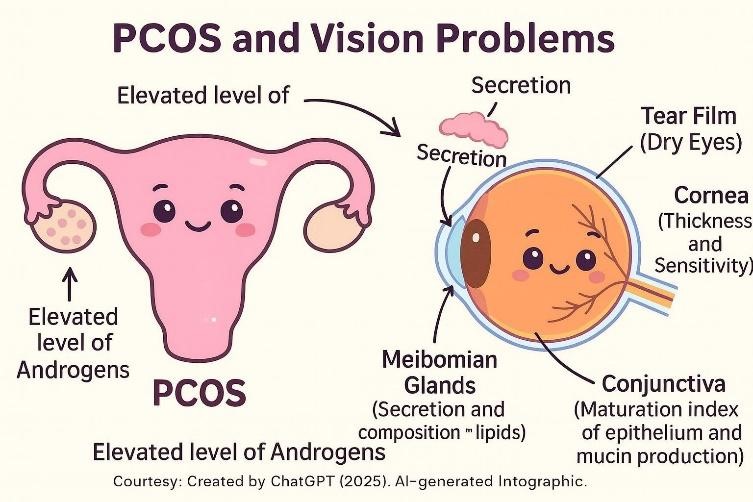

Figure 1: Relationship Between PCOD and Eye Health
The Importance of Regular Eye Check-ups for PCOD
- Medication-Related Effects: Medications commonly prescribed for PCOD, such as oral contraceptives and metformin, may occasionally affect visual function. These effects can include transient blurred vision or subtle retinal changes, highlighting the importance of routine ocular monitoring.
- Obesity-Related Ocular Conditions: Obesity is frequently associated with PCOD and may contribute to ocular conditions such as Pseudotumor Cerebri, characterised by increased intracranial pressure that can affect the optic nerve and visual function.
- Dry Eye Syndrome: Hormonal imbalances linked to PCOD can reduce tear production, leading to Dry Eye Syndrome. This condition may result in ocular discomfort, fluctuating vision, and increased susceptibility to eye infections. Appropriate management with lubricating eye drops or other treatments can help alleviate symptoms. (3)
Conclusion
Understanding the relationship between PCOD and visual health is essential for comprehensive patient care. Addressing misconceptions surrounding both conditions can promote early diagnosis and timely intervention. Emerging research suggests that PCOD may exert a protective effect on the Retinal Nerve Fibre Layer (RNFL), while metabolic disturbances such as insulin resistance and obesity may increase susceptibility to macular damage. This highlights the complex interplay between hormonal regulation and ocular health. Long-term, large-scale studies are required to further elucidate these associations and to guide effective clinical strategies for the prevention and management of vision-related complications in women with PCOD. (4)
References
- Souza-Júnior, J. E. D., et al. (2015). Polycystic Ovary Syndrome: Aggressive or Protective Factor for the Retina? Journal of Ophthalmology, 2015, 193078.
- Harris, H. R., et al. (2017). Long and irregular menstrual cycles, polycystic ovary syndrome, and ovarian cancer risk. International Journal of Cancer, 140(2), 285–291.
- Bonini, S., et al. (2007). Itchy-dry eye associated with polycystic ovary syndrome. American Journal of Ophthalmology, 143(5), 763–771.
- Souza-Júnior, J. E. D., et al. (2015). Evaluation of macular thickness and RNFL in PCOD. Journal of Ophthalmology, 2015, 193078.
About the Author