


Anindita Chowdhury, M. Optom
Optometrist, Sankara Nethralaya, Kolkata, India
Remember the first time you read Alice’s Adventures in Wonderland? The shrinking potions, the growing cakes, the curious feeling of a world that did not quite make sense. It was a fantastical escape, a playful distortion of reality that we could close the book on and return to our normal lives.
Now imagine for a moment if that feeling did not end when you put the book down. What if your own bedroom started to stretch, or your hand suddenly felt enormous, or a familiar voice seemed to come from miles away, even when the person was standing right next to you?
Welcome to the world of Alice in Wonderland Syndrome (AIWS), a rare but profoundly disorienting neurological condition where reality itself plays tricks on the mind. (1)
What is Happening in Wonderland?
AIWS primarily manifests as perceptual distortions:
- Visual Distortions: Objects suddenly appear smaller (micropsia) or larger (macropsia) or seem much closer (pelopsia) or farther (teleopsia) away. Straight lines might have a wavy texture (metamorphopsia), and still the objects may seem to move. (2)
- Body Image Distortions: Own body parts can feel like they are shrinking or growing. (1)
- Time and Sound Distortions: Time can feel like it is speeding up or slowing down, and sounds may seem unnaturally loud or distant. (1)
Beyond these bewildering shifts, AIWS can cause significant fear, anxiety, disorientation, and social isolation. The journey to diagnosis is often frustrating due to its rarity and unusual symptoms.
The Peculiar Projections of Brain: Understanding the Causes of AIWS
AIWS stems from transient brain dysfunction, often in areas integrating visual and sensory information. The causes are diverse:
- Infections: In many cases, AIWS can result because of infectious diseases. Especially in children, Epstein-Barr virus is known to be a frequent trigger. (3,4)
- Migraine: In adults, AIWS commonly presents as a migraine aura, sometimes occurring even without an accompanying headache. This connection is often attributed to the cortical hyperexcitability seen in migraines. (5)
- Neurological Conditions: Other neurological conditions, such as epilepsy and brain lesions, can also be underlying causes; in rare instances, severe conditions like Creutzfeldt-Jakob Disease have also been implicated. (6)
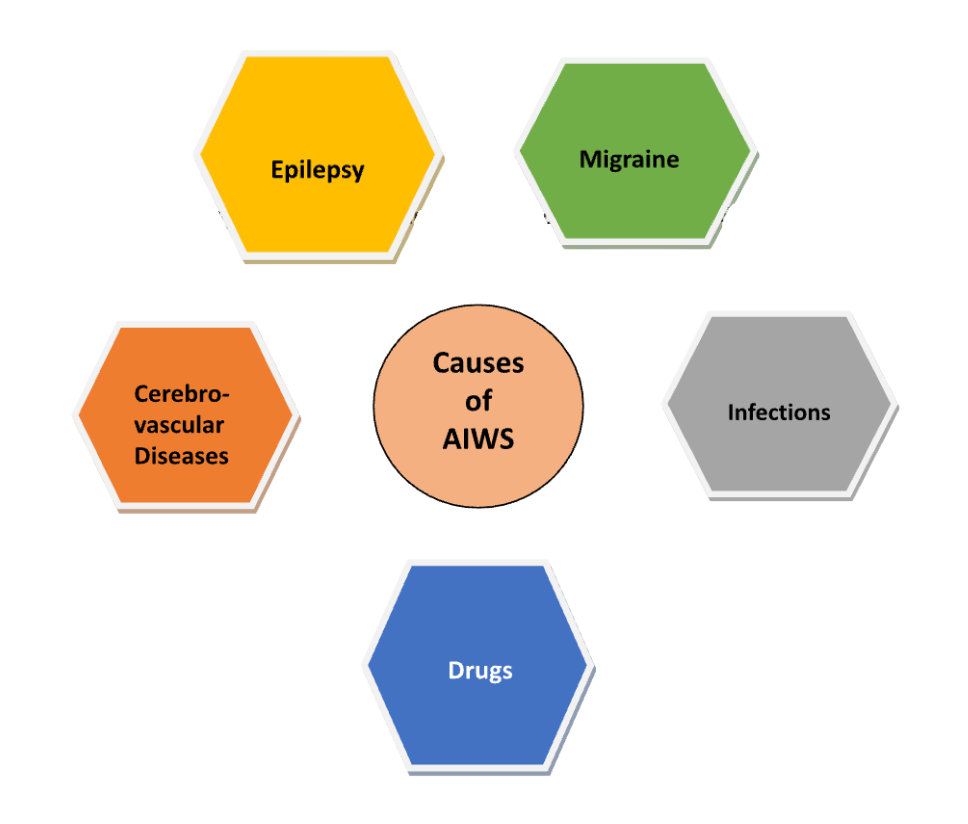

Figure 1: This image shows the causes of AIWS.
Image Courtesy: Created by the Author
Navigating Through the Maze: Managing AIWS Symptoms
Management focuses on treating the underlying cause and offering symptomatic relief.
Diagnosing the Root Cause: A thorough neurological workup is crucial, including Magnetic Resonance Imaging (MRI), Electroencephalogram (EEG), visual fields, and serological testing to identify triggers like infections. (7)
Treating the Underlying Condition: For infections, appropriate medical therapy is given. For migraines, preventative medications and lifestyle changes are key.
Symptomatic Relief with Therapeutic Tints: This is where ophthalmic tints offer comfort. (8) By selectively filtering irritating light wavelengths, these specialised tints can reduce cortical hyperexcitability in migraineurs. (9) This allows to:
- Calm the overactive brain, potentially reducing the frequency or intensity of visual distortions
- Lessen light sensitivity and visual discomfort
- Serve as an adjunct therapy for migraine, indirectly benefiting AIWS (7)
Conclusion
AIWS presents a profound challenge, but with growing awareness, precise diagnosis of its diverse causes, and innovative approaches like therapeutic tints, we can bring greater comfort and stability to those whose world feels perpetually “beyond the looking glass.”
References
- Mastria, G., Mancini, V., Viganò, A., & Di Piero, V. (2016). Alice in Wonderland syndrome: a clinical and pathophysiological review. BioMed Research International, 2016(1), 8243145.
- Todd, J. (1955). The syndrome of Alice in Wonderland. Canadian Medical Association Journal, 73(9), 701.
- Perez-Garcia, L., Pacheco, O., Delgado-Noguera, L., Motezuma, J. P. M., Sordillo, E. M., & Paniz Mondolfi, A. E. (2021). Infectious causes of Alice in Wonderland syndrome. Journal of NeuroVirology, 27(4), 550-556.
- Naarden, T., Ter Meulen, B. C., Van der Weele, S. I., & Blom, J. D. (2019). Alice in Wonderland syndrome as a presenting manifestation of Creutzfeldt-Jakob disease. Frontiers in neurology, 10, 464090.
- Manwar, S., Sapkale, B., Patil, T., Vagga, A., & Vagga Sr, A. A. (2024). A Twist in Perception: A Case of an Eight-Year-Old Female With Alice in Wonderland Syndrome. Cureus, 16(5).
- Mastria, G., Mancini, V., Cesare, M. D., Puma, M., Alessiani, M., Petolicchio, B., … & Piero, V. D. (2021). Prevalence and characteristics of Alice in Wonderland Syndrome in adult migraineurs: Perspectives from a tertiary referral headache unit. Cephalalgia, 41(5), 515-524.
- Ansari, A. Z., Smith, S. L., Anderson, A. S., Siddiqi, A. A., & Hafeez, S. (2025). Alice in Wonderland Syndrome in a Child Following Epstein-Barr Virus Infection: A Case Report. Cureus, 17(6).
- Marlin, J. (2025). Alice in Wonderland Syndrome in a Young Woman with past TBI. Journal of Medical Optometry, 3(4).
- Huang, J., Zong, X., Wilkins, A., Jenkins, B., Bozoki, A., & Cao, Y. (2011). fMRI evidence that precision ophthalmic tints reduce cortical hyperactivation in migraine. Cephalalgia, 31(8), 925-936.
- Yokoyama, T., Okamura, T., Takahashi, M., Momose, T., & Kondo, S. (2017). A case of recurrent depressive disorder presenting with Alice in Wonderland syndrome: psychopathology and pre-and post-treatment FDG-PET findings. BMC psychiatry, 17(1), 150.
About the Author


Anindita Chowdhury
Optometrist