
Thasneem Banu M(1), B. Optom Student;
Srividhya R(2), Assistant Professor,
Dhanalakshmi Srinivasan University, Trichy, India
The use of digital devices has surged across all age groups, making them an essential part of daily life for both social and professional activities. Computer Vision Syndrome (CVS) is a recognised health concern, characterised by various eye and vision-related symptoms. However, it is important to identify whether these symptoms are solely related to Screen use. (1) With individuals spending extensive hours on computers, laptops, smartphones, tablets, and e-readers, the prevalence of Digital Eye Strain (DES) continues to rise. Gauging its prevalence is challenging due to the wide variety of usage conditions (both vocationally and socially) as well as the substantial changes in these patterns over time. Additionally, the diversity of methodologies used to identify affected individuals further complicates accurate assessment. (2)
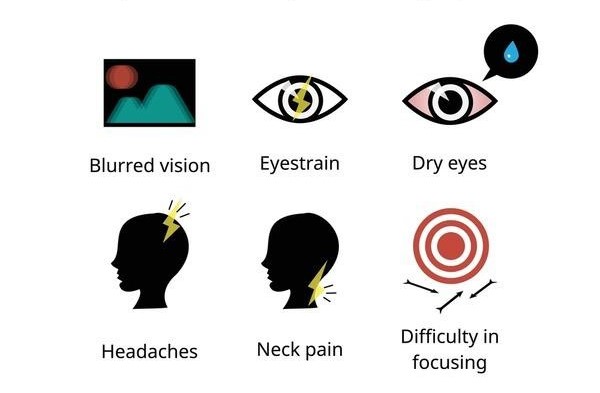
Figure 1: Image showing computer vision syndrome symptoms
Image Courtesy:
https://www.shutterstock.com/image-vector/symptoms-computer-vision-syndrome-such-600nw-2134799953.jpg

Prevalence of CVS
The prevalence of CVS varies widely, with reported rates ranging from 12.1% to 94.8% in children, 35.2% to 97.3% in adults. Demographic factors such as sex, age group, place of origin, and occupation significantly influence CVS prevalence.(3)
CVS Clinical Features
Identifying the exact causes of CVS is challenging, as multiple factors contribute to its development. Key contributors include extended screen time without breaks, screen brightness, contrast, and glare, increasing visual stress, and reduced screen refresh rates, leading to eye strain.
Prolonged screen exposure often results in asthenopia symptoms, primarily caused by excessive eye strain. (1)
Ocular and Non-Ocular Causes
Ocular Causes:
- Incorrect oculomotor reflexes
- Dry eye syndrome due to reduced blinking
Non-Ocular Causes:
- Poor workstation ergonomics leading to back, neck, shoulder, and wrist pain
- Inappropriate lighting and excess glare affect visual comfort. (4)
Management of CVS
Managing CVS involves multiple interventions, including:
1. The 20-20-20 Rule: Every 20 minutes, look at an object 20 feet away for 20 seconds
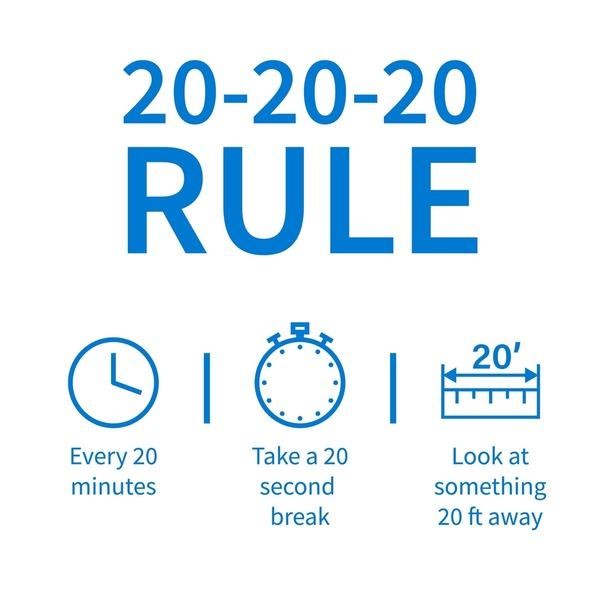
Figure 2: Image showing 20-20-20 Rule
Image Courtesy:
https://www.shutterstock.com/image-vector/digital-eye-strain-prevent-202020-600nw-2082857890.jpg
2. Optical and Nutritional Interventions:
- Use of progressive addition lenses and blue light-blocking glasses
- Oral antioxidants, nutritional supplements, and omega-3 fatty acids
- Artificial tears to combat dry eyes
3. Ergonomic Adjustments:
- Proper screen height and lighting adjustments
- Minimising glare and optimizing screen brightness
While various CVS therapies exist, no standardised professional guidelines currently define best practices. Eye care professionals should provide evidence-based recommendations. (5)
CVS and Its Connection to Dry Eyes
Dry eye syndrome is a significant contributor to CVS. Studies have shown that:
- 10.1% of male and 21.5% of female Japanese office workers using Visual Display Terminals (VDTs) reported dry eye symptoms. (6)
- Ocular surface-related symptoms include dryness, burning, and grittiness.
Factors contributing to dry eyes in CVS include:
- Environmental conditions reducing corneal hydration
- Lower blink rates and increased corneal exposure
- Systemic illnesses and certain medications
- Age and gender differences (6)
The Role of Optometrists in Managing CVS
Optometrists play a crucial role in diagnosing and managing CVS. Research indicates that:
- 60.6% of optometrists regularly inquire about digital device usage.
- 84.0% emphasise the importance of taking regular breaks.
- 55.7% recommend lubricating eye drops.
- 69.2% focus on ergonomic adjustments.
- 34.2% suggest specialised spectacle lenses, including blue-light filtering designs. (7)
Conclusion
Combining specialised eye exercises with the 20-20-20 rule is one of the most effective methods for managing digital eye strain. Proper ergonomics, optical interventions, and eye care professional guidance further enhance CVS prevention and treatment. (8)
References
- Chu, C., Rosenfield, M., Portello, J. K., Benzoni, J. A., & Collier, J. D. (2011). A comparison of symptoms after viewing text on a computer screen and hardcopy. Ophthalmic and Physiological Optics, 31(1), 29-32.
- Sheppard, A. L., & Wolffsohn, J. S. (2018). Digital eye strain: prevalence, measurement and amelioration. BMJ open ophthalmology, 3(1).
- 3Ccami-Bernal, F., Soriano-Moreno, D. R., Romero-Robles, M. A., Barriga-Chambi, F., Tuco, K. G., Castro-Diaz, S. D., … & Benites-Zapata, V. A. (2024). Prevalence of computer vision syndrome: A systematic review and meta-analysis. Journal of optometry, 17(1), 100482.
- Alemayehu, A. M. A. M., & Alemayehu, M. M. (2019). Pathophysiologic mechanisms of computer vision syndrome and its prevention. World J Ophthalmol Vis Res, 2(5), 1-7. Singh, S., McGuinness, M. B., Anderson, A. J., & Downie, L. E. (2022). Interventions for the management of computer vision syndrome: a systematic review and meta-analysis. Ophthalmology, 129(10), 1192-1215.
- Rosenfield, M. (2011). Computer vision syndrome: a review of ocular causes and potential treatments. Ophthalmic and Physiological Optics, 31(5), 502-515.
- Moore, P. A., Wolffsohn, J. S., & Sheppard, A. L. (2021). Attitudes of optometrists in the UK and Ireland to Digital Eye Strain and approaches to assessment and management. Ophthalmic and Physiological Optics, 41(6), 1165-1175.
- Groves, N., & Sheedy, J. E. (2010). New trends in diagnosing, treating CVS. Optometry Times, 2(9).
About the Author

Thasneem Banu M
B. Optom Student
Dhanalakshmi Srinivasan University, Trichy, India

Srividhya R
Assistant Professor
Recent Comments