


Mankala Srinath
B. Optom Student, Bharati Vidyapeeth (Deemed to be) University, Pune, India
Human space exploration has witnessed tremendous growth in the last few decades, with astronauts staying longer periods in spacecraft and the International Space Station. However, staying in microgravity conditions has brought forth many health problems. Space Associated Neuro Ocular Syndrome (SANS) is one of the conditions that has been identified in astronauts during and after their space mission. Knowledge of SANS is vital in protecting the vision of astronauts during their future missions to the moon and mars.
What is SANS?
SANS is the structural and functional changes that the eye and the optic nerve undergo due to prolonged exposure to microgravity. Some of the changes that the astronaut may encounter include refractive alterations, eyeball flattening, optic disc enlargement, and impaired vision. This occurs due to the microgravity environment, where the fluid shifts towards the head, thus increasing pressure on the brain and the eyes. (1)
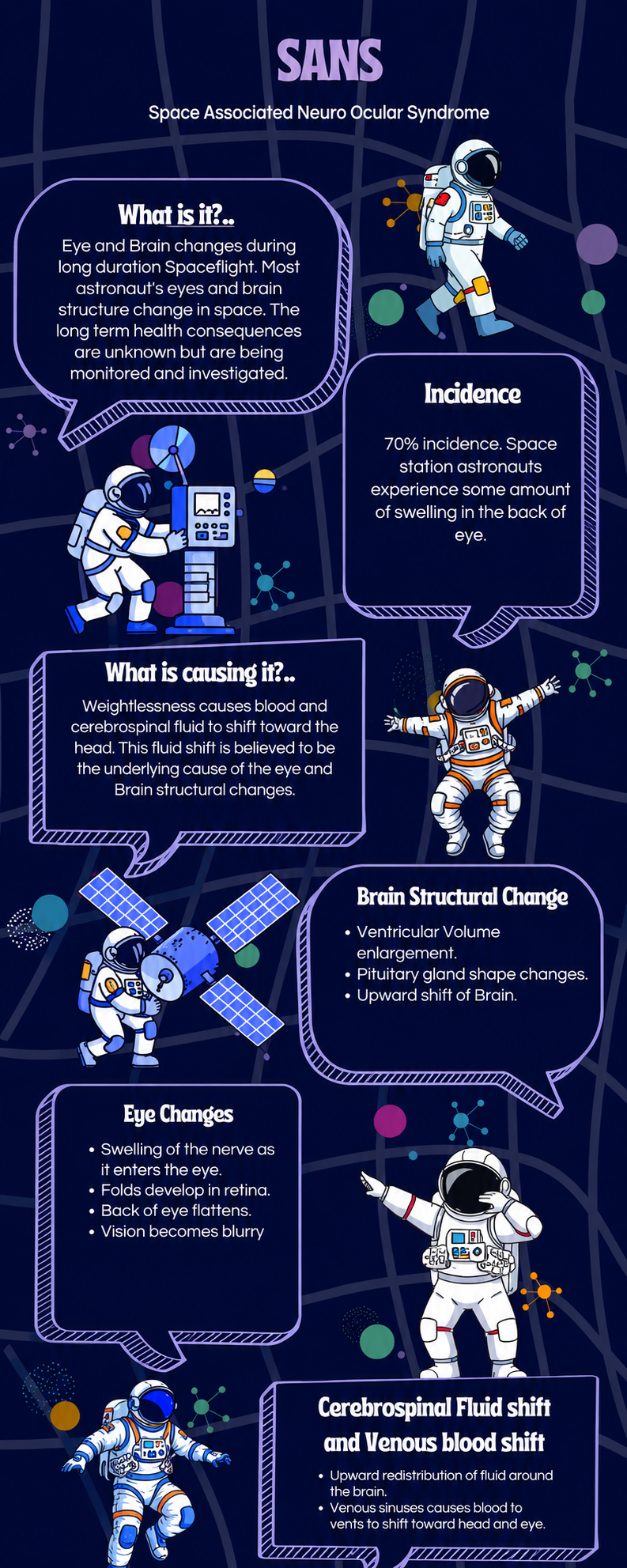

Figure 1: This image shows the details about SANS.
Image Courtesy: Created by Author
Causes and Mechanism
On earth, gravity also has an effect on the regulation of fluid levels within the human body. When an astronaut is in space, the lack of gravity causes fluid levels to rise towards the head. These Cephalad fluid shifts lead to increase intracranial pressure, which can lead to changes in the eye. This can lead to choroidal folds and optic disc oedema. (2)
Researchers are currently studying the potential correlation between SANS and altered cerebrospinal fluid dynamics, vascular alterations, and elevated intracranial pressure. It is likely that there are several physiological factors involved. (3)
Symptoms and Clinical Features
The effects of SANS on astronauts include minimal headaches, impaired near vision, and trouble focusing. Important characteristics such as optic disc swelling, posterior globe flattening, thickening of retinal nerve fiber layer, and hyperopic refractive shifts have been found during clinical investigations. (3)
The effect of SANS on astronauts have the potential to last even after they return to earth. (4)
Diagnosis and Monitoring
Before, during, and after space travel astronauts get routine eye examinations to identify and track SANS. Visual acuity testing, Fundus photography, Optical Coherence Tomography (OCT), and Magnetic Resonance Imaging (MRI) are the diagnostic tools to detect SANS. This ensures the understanding of the progression of the condition in microgravity environments. (5)
Prevention and Management Strategies
Although there is not a conclusive treatment for SANS is available at this time, but a number of preventive measures are being researched. These include the use of lower body negative pressure devices to redistribute the fluids, exercise regimen modifications, and spacecraft design advancements to replicate gravity. The best methods for reducing long term damage are still early detection and monitoring. (5)
Importance for future space missions
As space agencies plan for longer missions, such as going to Mars, it is important to preserve vision for both safety and performance. Vision is essential for scientific work, equipment handling, and navigation. Developing protective measures and promoting a sustainable human presence in space will be made easier with an understanding of SANS. (5)
Conclusion
The intricate ways that the human body reacts to microgravity are highlighted by SANS. More research, innovation, and medical attention are required to mitigate SANS and preserve vision for astronauts and helps us to understand more about eye and brain health. (2,4,5)
References
- Mader TH, Gibson CR, Pass AF, Kramer LA, Lee AG, Fogarty J, et al. Optic disc edema in an astronaut after repeat long-duration space flight. J Neuroophthalmol. 2013;33(3):249–255.
- Lee AG, Mader TH, Gibson CR, Tarver W. Space flight-associated neuro-ocular syndrome. JAMA Ophthalmol. 2017;135(9):992–994.
- Mader TH, Gibson CR, Pass AF, Kramer LA, Lee AG, Fogarty J, Tarver WJ, Dervay JP, Hamilton DR, Sargsyan A, Phillips JL, Tran D, Lipsky W, Choi J, Stern C, Kuyumjian R, Polk JD. Optic disc edema, globe flattening, choroidal folds, and hyperopic shifts observed in astronauts after long-duration space flight. Ophthalmology. 2011;118(10):2058–2069. doi:10.1016/j.ophtha.2011.06.021.
- Marshall-Goebel K, Macias BR, Kramer LA, Hasan KM, Ferguson C, Patel N, Ploutz-Snyder RJ, Lee SMC, Ebert D, Sargsyan A, Dulchavsky S, Hargens AR, Stenger MB, Laurie S. Association of Structural Changes in the Brain and Retina After Long-Duration Spaceflight. JAMA Ophthalmology. 2021;139(7):781–784. doi:10.1001/jamaophthalmol.2021.1400.
- Krittanawong C, Singh NK, Scheuring RA, Urquieta E, Bershad EM, Macaulay TR, Kaplin S, Dunn C, Kry SF, Russomano T, Shepanek M, Stowe RP, Kirkpatrick AW, Broderick TJ, Sibonga JD, Lee AG, Crucian BE. Human Health during Space Travel: State-of-the-Art Review. Cells. 2022;12(1):40. doi:10.3390/cells12010040.
About the Author


Mankala Srinath
B. Optom Student