


Anusha S1, B. Optom Student,
Kalyani B2, Assistant Professor
1,2 Dhanalakshmi Srinivasan University, Trichy, India
Social Anxiety Disorder (SAD) is increasingly affecting young people, making social interaction difficult. Common signs include avoiding eye contact and restless eye movement. Anxiety can also harm eye health. Since eye contact is key to communication, this creates challenges for those with SAD. Research shows that socially anxious individuals often picture objects vividly in their minds, which may increase their anxiety. However, those with better self-control can manage these effects more effectively. Understanding this connection can help in developing better treatment methods for SAD. (1)
Understanding Social Anxiety
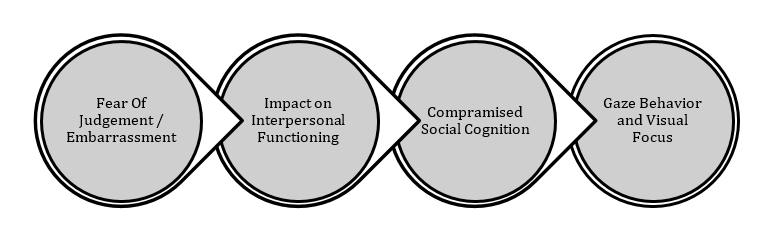

Figure 1: Impact of Social Anxiety Disorder
The Role of Visual Focus in Social Interaction
Eye contact is a powerful nonverbal tool that builds trust and understanding. In people with social anxiety, gaze patterns often differ from the norm. Developmental psychologists and social neuroscientists have long studied these behaviours by observing real human interactions. (4)
Avoidance of Eye Contact: Individuals with social anxiety often avoid eye contact to escape criticism, but this can increase loneliness and hinder close relationships.
Hypervigilance to Threat: People with social anxiety often scan their surroundings for perceived danger, such as scowling features or disapproving looks, worsening the discomfort.
- Distorted Self-Perception: Changes in gaze behaviour may reinforce fears of being judged, contributing to negative self-evaluation.
- Neurophysiological Mechanisms: There are strong neurophysiological roots to the association between social anxiety and visual concentration. Some key mechanisms include:
- Amygdala Hyperactivity: In people with SAD, an overactive amygdala heightens fear responses, making eye contact feel overwhelming.
- Dysregulated Prefrontal Cortex Function: Poor regulation of the amygdala leads to exaggerated reactions to social cues. (4)
- Autonomic Nervous System Hyperarousal: A “fight or flight” response may trigger sweating, pupil dilation and elevated heart rate, further impairing visual attention.
- Therapeutic Approaches: A variety of therapy approaches are needed to address the connection between visual concentration and social anxiety:
- Cognitive-Behavioural Therapy (CBT): Regarding eye contact and social judgment, CBT helps people recognise and combat erroneous cognitive processes. The exposure therapy of CBT helps people become progressively less sensitive to things they are afraid of, including making eye contact. (3)
- Eye-Tracking Interventions: By employing eye-tracking equipment, emerging technologies can give users immediate feedback, assisting them in recognising and modifying their gaze patterns.
- Mindfulness & Relaxation Techniques: Activities such as mindfulness meditation can help people become more focused and calmer during social situations by lowering amygdala activation. (5)
Conclusion
Social anxiety is significantly influenced by visual attention, which demonstrates the connection between our body, emotions, and behaviour. In social situations, people with social anxiety frequently avoid eye contact or become extremely vigilant. Better treatment can be guided by an understanding of these habits. According to research, visualising scenarios might exacerbate anxiety, but verbalising them may help reduce it. We still do not know how people with social anxiety see neutral settings, but many of them report seeing negative pictures in their heads when they are in social situations. Strong self-control and the way someone uses mental imagery may help lower their anxiety.
References
- Alvi, T., Kumar, D., & Tabak, B. A. (2022). Social anxiety and behavioral assessments of social cognition: A systematic review. Journal of Affective Disorders, 311, 17–30.
- Stein, M. B., & Stein, D. J. (2008). Social anxiety disorder. The Lancet, 371(9618), 1115–1125.
- Moriya, J. (2018). Association between social anxiety and visual mental imagery of neutral scenes: The moderating role of effortful control. Frontiers in Psychology, 8, 2323.
- Reisenzein, R. (2000). Exploring the strength of association between the components of emotion syndromes: The case of surprise. Cognition & Emotion, 14(1), 1–38.
- Rector, N. A., Kocovski, N. L., & Ryder, A. G. (2006). Social anxiety and the fear of causing discomfort to others: Conceptualization and treatment. Journal of Social and Clinical Psychology, 25(8), 906–918.