


Bavirisetty Sai Balakrishna, M. Optom Student
Head of Department, Pushpagiri Eye Foundation, Cuddapah, India
Vision Beyond Refraction
In revolutionising primary eye care for all in the realm of global health, the mantra has always been, ‘prevention is better than cure’. (1,2)
However, for millions in Below Poverty Line (BPL) and middle-income segments, “prevention” is often out of reach.
We are proposing a shift in the healthcare paradigm moving away from simple spectacle shops toward Comprehensive Primary Eye Care Centres.
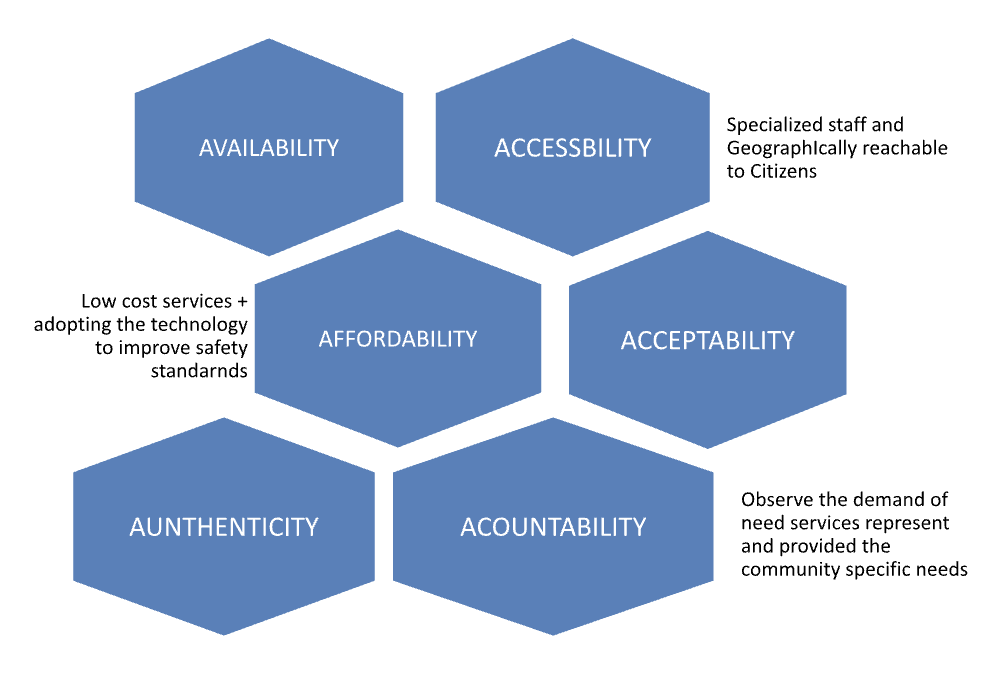

Figure 1: This image shows the proposed shift towards comprehensive primary eye care centres.
Image Courtesy: Created by the Author
By integrating advanced diagnostics into local neighbourhoods, we can eliminate avoidable blindness before it starts.
- Redefining the Vision Centre: For too long, primary eye clinics have been viewed solely as hubs for refractive error correction (getting glasses). It is time to change the narrative. A modern Vision Centre should be a frontline defense against blindness. By empowering Optometrists to utilise their full clinical scope, primary centres will now provide,
- Anterior Segment Examinations: Early detection of corneal and lens issues.
- Intraocular Pressure (IOP) Monitoring: Critical for early Glaucoma detection.
- Non-Mydriatic Fundus Imaging: Documenting the retina without the need for dilation, identifying silent killers like Diabetic Retinopathy.
- Colour Vision Screening: Essential for occupational health and early neurological indicators.
- For the BPL Community: Accessible, high-quality care within walking distance.
- For Middle-Income Families: Specialised services and premium lens options that match modern lifestyles.
- For the Government: Real-time health data from the ground level, allowing for early epidemic intervention and better resource allocation.
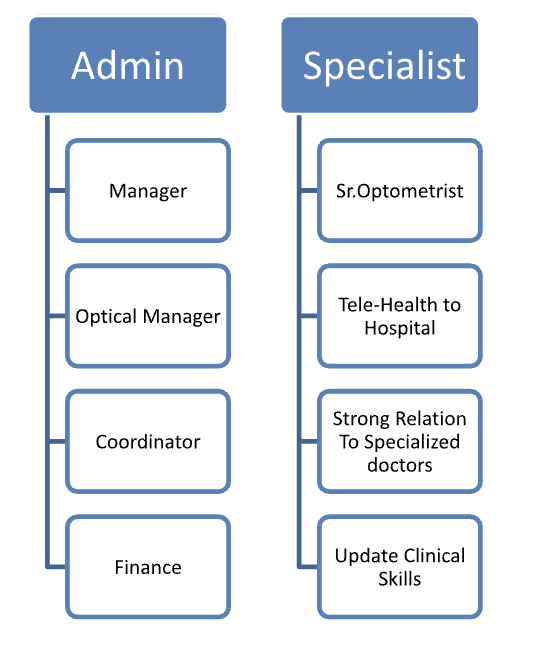

Figure 2: This image shows the admin and specialist roles in primary eye care centres.
Image Courtesy: Created by the Author
The Bottom Line we are moving toward a world where “walking distance” eye care is synonymous with “excellent” eye care. By catching non-avoidable conditions in their earliest stages, we save more than just sight we save livelihoods. (5)
Summary
The Satellite Referral Model in Optometry is a hub-and-spoke healthcare architecture designed to bridge the gap between primary vision centres and tertiary ophthalmic hospitals. This system ensures that patients at the grassroots level receive specialised intervention without unnecessary travel or delay.
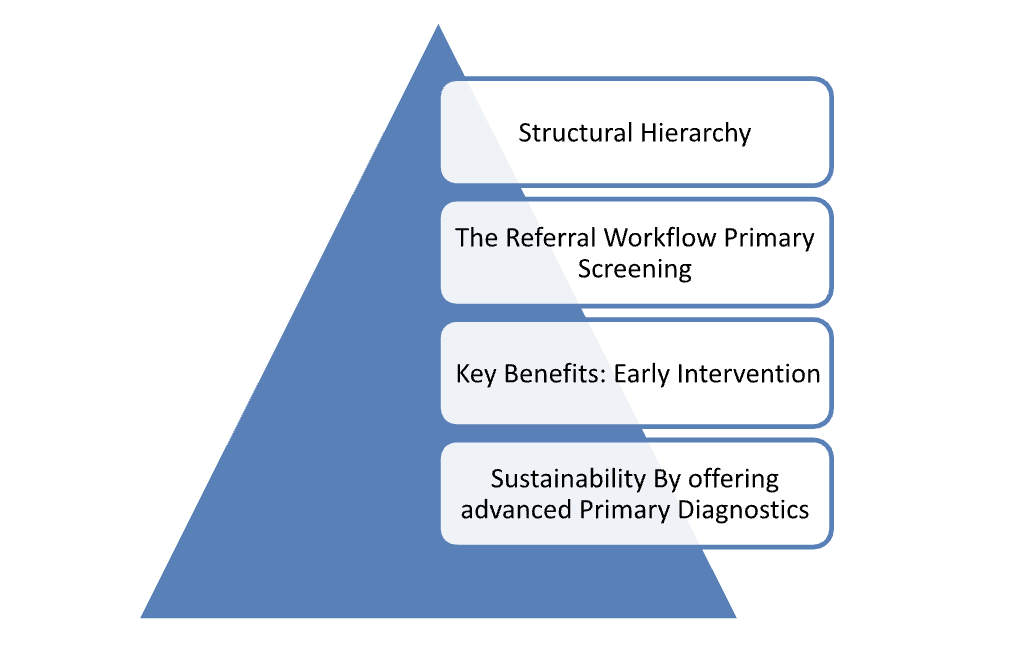

Figure 3: This image shows the structural hierarchy of the Satellite Referral Model in Optometry.
Image Courtesy: Created by the Author
PREVENTION IS BETTER THAN THE CURE, especially in the Advance stages of Non-Avoidable Conditions in the Human Eye.
References
- Gandy, S. (2011). Perspective: prevention is better than cure. Nature, 475(7355), S15-S15.
- Abel, R. (2014). The Eye Care Revolution: Prevent And Reverse Common Vision Problems, Revised And Updated. Kensington Books.
- Rosdahl, J. A., Swamy, L., Stinnett, S., & Muir, K. W. (2014). Patient education preferences in ophthalmic care. Patient Preference and Adherence, 565-574.
- Capó, H., Edmond, J. C., Alabiad, C. R., Ross, A. G., Williams, B. K., & Briceño, C. A. (2022). The importance of health literacy in addressing eye health and eye care disparities. Ophthalmology, 129(10), e137-e145.
- Shukla, P., Sharma, M., & Vashist, P. (2023). Primary Eye Care and Practices. In Textbook of Community Ophthalmology (pp. 84-91). CRC Press.
About the Author


Bavirisetty Sai Balakrishna
Head of Department