


Subashreelakshmi C, B. Optom
M. Optom Student, MN College of Optometry, Chennai, India
Humming is often misunderstood as merely a “repetitive behavior,” but for many children on the autism spectrum, it functions as a powerful tool for emotional self-regulation known as vocal stimming. This may shift the nervous system from a sympathetic “fight-or-flight” state to a parasympathetic “rest-and-digest” state.
The Science of Resonance: Vagus Nerve and Heart Rate Variability (HRV)
One proposed mechanism behind humming’s calming effect is the stimulation of the vagus nerve, the longest cranial nerve responsible for regulating mood, breathing, and heart rate. When a child hums, vibrations produced within the larynx and nasal cavity may stimulate the vagal branches, helping signal the brain and body to relax.
Research has also suggested that slow humming patterns may positively influence Heart Rate Variability (HRV), an important marker associated with autonomic nervous system regulation and resilience. Research indicated that humming cycles of 10 to 14 seconds maximise this parasympathetic shift, acting as a “stress buster” more effective than even physical activity or sleep. (1)
The Chemical Connection: Nitric Oxide
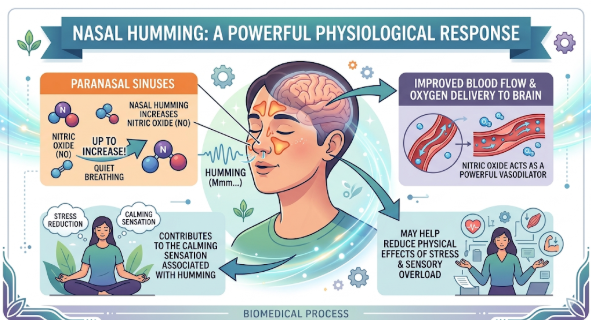

Figure 1: The image shows the benefits of nasal humming.
Image Courtesy: Created by Author
Nasal humming triggers a remarkable biochemical response by increasing the production of Nitric Oxide (NO) in the paranasal sinuses by up to 15 times compared to quiet breathing. Nitric oxide acts as a powerful vasodilator, improving blood flow and oxygen delivery to the brain. (2)
This physiological response may contribute to the calming sensation associated with humming and may help reduce some physical effects of stress and sensory overload. (2)
Neurological Grounding and “Microflow”
Humming alters brain activity, specifically increasing theta brain waves (4–8 Hz). These waves are associated with states of deep relaxation, mental bliss, and improved memory and emotion regulation. These rhythmic sensory inputs can provide a grounding effect, helping autistic children manage overwhelming or unpredictable sensory experiences. (3)
Humming may also create a state sometimes described as “microflow,” in which the child becomes deeply engaged in a repetitive, soothing activity that promotes emotional comfort and temporary relief from anxiety. (3)
The Resonant Shield of Guardian


Figure 2: The images show a mother calming her autistic son during a tantrum.
Image Courtesy: https://www.magnific.com/free-photo/mother-playing-with-her-autistic-son-using-toys_39767164.htm#fromView=search&page=1&position=9&uuid=7d3c702e-ecb4-4208-a9a0-90a30d3125c1&query=AUTISM+
Importantly, this calming effect is not limited to the own voice of the child. Many autistic children appear to respond positively when a parent or caregiver hums softly beside them during moments of distress or sensory overload. (3)
From an evolutionary perspective, humming and soft vocalisation are believed to have functioned as forms of “contact calling,” communicating safety, comfort, and emotional presence between individuals. Infants and young children are biologically responsive to soothing vocal tones, particularly from caregivers, which may help reduce markers of anxiety and promote emotional security. (3)
Conclusion: Supporting the Tool
Rather than viewing humming as a behavior that must always be suppressed, it should often be understood as a meaningful self-soothing strategy. (4) For many autistic individuals, vocal stimming serves an important sensory and emotional regulatory function.
Attempting to constantly stop these behaviors may increase distress and reduce the child’s sense of control over their environment. By understanding the science behind sound, vibration, and sensory regulation, caregivers and professionals can better support the unique needs of neurodivergent children.
References
- Trivedi G, Sharma K, Saboo B, Kathirvel S, Konat A, Zapadia V, Prajapati PJ, Benani U, Patel K, Shah S. Humming (Simple Bhramari Pranayama) as a Stress Buster: A Holter-Based Study to Analyze Heart Rate Variability (HRV) Parameters During Bhramari, Physical Activity, Emotional Stress, and Sleep. Cureus. 2023;15(4):e37527. doi:10.7759/cureus.37527.
- Ritz T, Salsman ML, Young DA, Lippert AR, Khan DA, Ginty AT. Boosting nitric oxide in stress and respiratory infection: Potential relevance for asthma and COVID-19. Brain Behav Immun Health. 2021;14:100255. doi:10.1016/j.bbih.2021.100255.
- Korkalainen H. The use of humming: A narrative literature review on nasal humming in stress and anxiety alleviation. 2025.
- Kapp SK, Steward R, Crane L, Elliott D, Elphick C, Pellicano E, Russell G. ‘People should be allowed to do what they like’: Autistic adults’ views and experiences of stimming. Autism. 2019;23(7):1782–1792. doi:10.1177/1362361319829628.
About the Author


Subashreelakshmi C
M. Optom Student,