

Krishna Shah, M. Optom
Optometrist, Sankara Nethralaya, Chennai, India
Eyes are often called the “windows to the soul,” but did you know your eyes can reveal a lot about your health? In addition to eye check-ups, optometrists and ophthalmologists can detect the presence of hypertension, diabetes, and even neurological or brain disorders.
Smartphones are used by healthcare professionals as tools for practising communication, patient education, disease self-management, and remote patient monitoring, while maintaining confidentiality. (2) A survey on mobile phone ownership among healthcare professionals depicts that 99% use mobile phones, and 81% use smartphones, with the most popular being the Apple iPhone. (3)
The Eyes and Systemic Health
1. Diabetes and Retinopathy
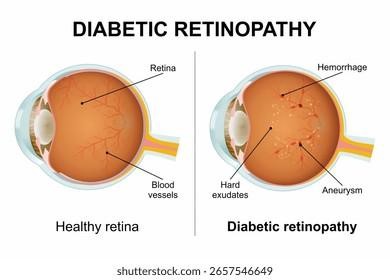
Diabetes is perhaps the most common illness that results in significant loss of sight. Diabetic Retinopathy (DR) is one of the most vicious forms of eye disease. In DR, high blood sugar levels lead to damage to the tiny blood vessels in the retina. Early signs such as microaneurysms, haemorrhages, and fluid leakage can be detected during a dilated eye exam, often before a
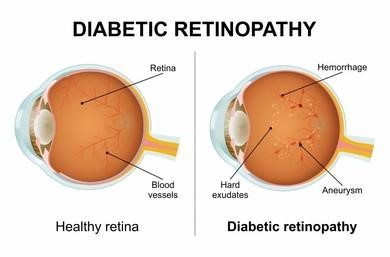
Figure 1: Image showing fundus of a normal eye and diabetic eye
Image Courtesy:
https://www.shutterstock.com/image-illustration/diabetes-retinopathy-eye-anatomy-illustration-260nw-2657546649.jpg
2. Hypertension
High blood pressure does not just affect the heart and arteries; it also impacts and can injure the small blood vessels in your eyes. This condition, called Hypertensive Retinopathy, can result in symptoms such as narrowed blood vessels, retinal haemorrhages, and optic nerve swelling. Eye doctors often spot these signs early and can serve as a critical early warning system for cardiovascular disease through eye findings. (2)
3. Neurological Disorders
Signs of brain or nerve issues might also be seen in your eyes. Multiple Sclerosis (MS) is one disorder that can impair the optic nerve, which connects the brain to the eyes. MS can cause colour vision problems, eye pain, and abrupt vision loss. Swelling of the optic nerve, called papilledema, may point to serious issues like brain tumours or meningitis. Sometimes, eye exams can identify these issues early. (3)
4. Eye Changes and Nutritional Deficiencies
Nutritional deficiencies often manifest through the eyes. When your body is not receiving enough nutrition, your eyes may exhibit symptoms. Inadequate vitamin A intake can impair night vision and, in extreme situations, induce blindness. Similarly, a lack of vitamin B may result in optic neuropathy, while omega-3 fatty acid deficiency can contribute to dry eye syndrome. Maintaining the health of your eyes requires eating a balanced diet. (4)
5. Autoimmune Conditions
The eyes can also fall victim to autoimmune conditions such as rheumatoid arthritis, lupus, and others. A common example would be uveitis, a type of inflammation of the eye that affects the uvea. It can cause blurred vision, discomfort, redness, and pain. Identifying these problems early and getting proper treatment can help protect your eyesight. (5)
Why Regular Eye Exams Matter
Getting your eyes checked regularly is important for more than just good vision. A comprehensive eye exam involves tests for visual acuity, intraocular pressure, and a thorough examination of the retina and optic nerve. These tests can catch early signs of health problems like diabetes, high blood pressure, and even brain issues, often before you feel any symptoms.
Conclusion
The eyes are silent storytellers that reveal clues about your overall health. Routine eye care allows for early detection and treatment of both ocular and systemic conditions. Optometrists and ophthalmologists highlight that comprehensive eye exams are essential not just for vision but for holistic health.
References
- American Diabetes Association. (2016). Standards of medical care in diabetes 2016 abridged for primary care providers. Clinical diabetes: a publication of the American Diabetes Association, 34(1), 3.
- Wong, T., & Mitchell, P. (2007). The eye in hypertension. The Lancet, 369(9559), 425-435.
- Balcer, L. J. (2006). Optic neuritis. New England Journal of Medicine, 354(12), 1273-1280.
- Sommer, A. (2008). Vitamin A deficiency and clinical disease: an historical overview.The Journal of nutrition, 138(10), 1835-1839. Wakefield, D., Yates, W., Amjadi, S., & McCluskey, P. (2016). HLA-B27 anterior uveitis: immunology and immunopathology. Ocular immunology and inflammation, 24(4), 450-459.
About the Author

Krishna Shah
Optometrist
Sankara Nethralaya, Chennai, India
Recent Comments