


Sharmila Thusimuthu, MBA
Tutor, Meenakshi College of Allied Health Sciences, Kanchipuram, India
In recent years, tattoos have become a powerful form of self-expression. In developed countries, tattoo prevalence ranges from 5.2% to 35.3%, reflecting a significant upward trend. (1, 2) In the United States, roughly 30% of adults have at least one tattoo.
But can a tattoo affect your eyes? Yes, in rare cases, tattoo ink can trigger an immune response that leads to uveitis. Tattoo-Associated Uveitis (TAU) arises from an immune-mediated reaction to tattoo pigments, particularly black ink, which is most frequently implicated. Other colors, such as red, pink, have also been reported, but less frequently. (3) Inflammation may be granulomatous or non-granulomatous, and uveitis can develop months to years after tattooing as a delayed hypersensitivity reaction. (4, 5)
What Does Evidence Say?
The first report of TAU was described by Lubeck and Epstein over 70 years ago. (7) Recent Australian data identified 40 cases, often affecting vision, with 63% requiring long-term Immunosuppressive therapy. (3) These findings highlight that TAU is more than curiosity; it is a potentially serious public health concern.
From Ink to Inflammation: What is Happening Inside?
The mechanisms behind TAU are not fully understood. (7) One hypothesis suggests a delayed hypersensitivity reaction, where tattoo pigments act as foreign substances triggering an exaggerated immune response that can extend systemically, resulting in Uveitis. (8) Another proposes that a persistent, low-grade immune reaction leads to granulomatous inflammation, like Sarcoidosis. (9)
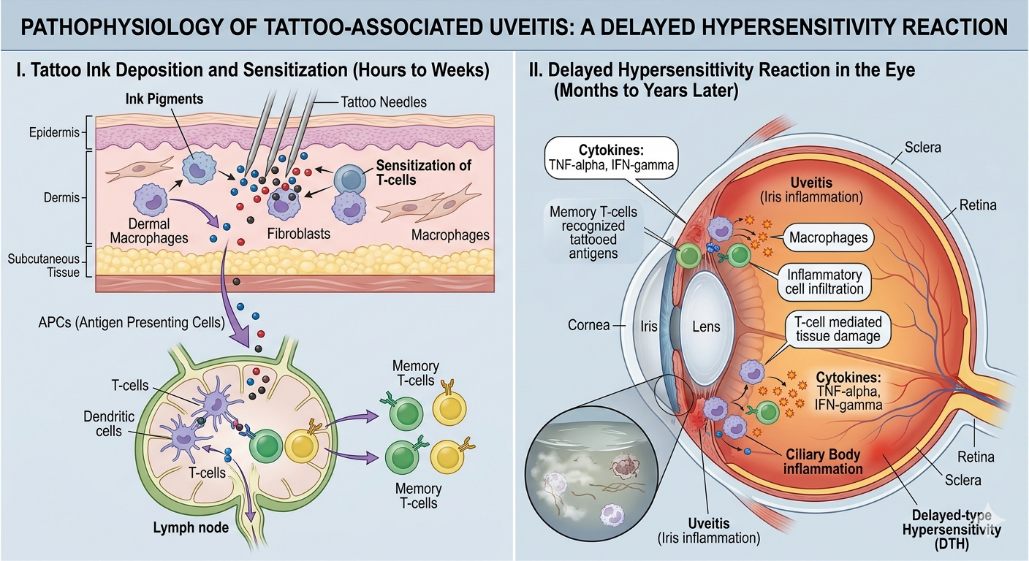

Figure 1: This image shows the pathophysiology of TAU.
Image Courtesy: Created by the Author
Like Sarcoidosis, But Not?
The relationship between sarcoidosis and TAU remains complex. Diagnosing sarcoidosis is challenging, as no universally accepted criteria exist. A definitive diagnosis typically requires a biopsy showing granulomas in affected tissues. Clinicians often rely on a combination of clinical signs and imaging rather than a single confirmatory test. In TAU, the overlap with sarcoidosis adds further uncertainty. (3) According to a study, presentations can be categorised as Uveitis with tattoo inflammation accompanied by systemic Sarcoidosis symptoms or Uveitis with tattoo inflammation alone. (10) Retrospective reviews suggest some patients labelled as TAU may also have undiagnosed sarcoidosis, but the extent of overlap remains unclear.
Clinical Presentation
| Category | Details |
|---|---|
| Pattern of Uveitis | Most commonly bilateral uveitis |
| Type of Uveitis | Primarily Anterior Uveitis; less frequently Panuveitis |
| Onset | Typically develops 6 months after tattooing; most cases occur within the first year |
| Symptoms (Anterior Uveitis) | Ocular pain, Photophobia, Blurred Vision, Conjunctival Redness, Floaters |
| Anterior Segment Signs | Inflammatory cells in the Anterior Chamber, Hypopyon, Posterior Synechiae, Conjunctival Chemosis, Keratic Precipitates |
| Posterior Segment Involvement | Retinal Hemorrhage, Macular Oedema, Optic Disc Edema, Retinal Vasculitis, Choroiditis, Vitreous Inflammation |
| Complications | Serous Retinal Detachment, Chorioretinal Scarring, Secondary Glaucoma |
Table 1: The table shows the spectrum of clinical manifestations in TAU.
Management: Saving Vision Comes at a Price
Treatment of TAU generally includes topical steroids and often includes systemic steroids. Management usually requires long-term Immunosuppressive therapy, and in many cases, advanced biologics, such as anti-Tumor Necrosis factor agents, are necessary. While effective at preserving vision, these treatments carry significant long-term costs. (3) Some evidence suggests that tattoo excision may help alleviate Uveitis. However, this approach is often impractical, as many affected patients have multiple tattoos. Additionally, removal can release ink into the bloodstream. If the ink is the underlying trigger for inflammation, such dispersion may potentially exacerbate the Uveitis rather than improve it. (15)
Conclusion
As tattoos continue to grow in popularity, especially among young individuals, TAU is emerging as an important yet often overlooked eye health concern. Though rare, it is likely underdiagnosed and should always be considered in patients presenting with Uveitis of unknown origin. Careful history and examination, including checking tattoos for inflammation, are essential, and patients with tattoo-related skin changes should be assessed for ocular symptoms. In a world where body art is increasingly common, clinicians must remember that sometimes, the ink tells the story the eye cannot.
References
- Gheorghe L, Csiki I, Iacob S, Gheorghe C. The prevalence and risk factors of hepatitis B virus infection in an adult population in Romania: a nationwide survey. Eur J Gastroenterol Hepatol. 2013; 25(1):56–64.
- Morlock R, Morlock A. Think before you ink: perception, prevalence, and correlates of tattooing and tattoo regret in US adults. Cureus. 2023;15(11)
- Siebert E, Moynahan V, Ali N, Hall A, Heydon P, Dunlop A, Lim LL, Richards J. Tattoo-associated uveitis: an emerging eye health challenge. Clin Exp Ophthalmol. 2026 Jan–Feb; 54(1):33–43.
- Olisova O Y, Teplyuk N P, Grabovskaya O V, et al. Sarcoid granulomas and systemic sarcoidosis triggered by cosmetic tattoos. Curr Probl Dermatol. 2022; 56:245–250.
- Abdel-Aty A, Apostolopoulos N, Kombo N. Uveitis associated with tattoo granulomas. BMJ Case Rep. 2022; 15(2):e244196.
- Lubeck G, Epstein E. Complications of tattooing. Calif Med. 1952; 76:83–85.
- Carvajal Bedoya G, Caplan L, Christopher KL, Reddy AK, Ifantides C. Tattoo granulomas with uveitis. J Investig Med High Impact Case Rep. 2020; Jan-Dec: 8: 2324709620975968.
- Wenzel S, Rittmann I, Landthaler M, Baumler W. Adverse reactions after tattooing: review of the literature and comparison to results of a survey. Dermatology. 2013; 226:138–147.
- Sepehri M, Hutton Carlsen K, Serup J. Papulo-nodular reactions in black tattoos as markers of sarcoidosis: study of 92 tattoo reactions from a hospital material. Dermatology. 2016; 232:679–686.
- Kluger N. Tattoo-associated uveitis with or without systemic sarcoidosis: a comparative review of the literature. J Eur Acad Dermatol Venereol. 2018 Nov; 32(11):1852–1861.
- Cunningham ET Jr, Dunn JP, Smit DP, Zierhut M. Tattoo-associated uveitis. Ocul Immunol Inflamm. 2021 Jul 4; 29(5):835–837.
- Kesav NP, Kaplan AJ, Hwang CK, Okeagu C, Sen HN. Tattoo-associated cases of posterior segment uveitis with Vogt–Koyanagi–Harada disease-like features. Retin Cases Brief Rep. 2022 Jul; 16(4):457.
- Pandya VB, Hooper CY, Merani R, McCluskey P. Tattoo-associated uveitis with choroidal granuloma: a rare presentation of systemic sarcoidosis. Retin Cases Brief Rep. 2017; 11(3):272–276.
- Ostheimer TA, Burkholder BM, Leung TG, Butler NJ, Dunn JP, Thorne JE. Tattoo-associated uveitis. Am J Ophthalmol. 2014 Sep; 158(3):637–643.
- Piggott KD, Rao PK. Blurry Vision and a Black Ink Tattoo. JAMA. 2019; 321(7):699-700.
About the Author


Sharmila Thusimuthu
Tutor