


Timila Subina(1), B. Optom Student
Birkata Nisha(2), B. Optom Student
Himalaya Eye Institute, Pokhara, Nepal
In our fast-paced world, it is easy to hand a child a phone or tablet to keep them entertained. However, what if this convenience comes at a cost? A growing number of experts are concerned about a condition called Virtual Autism, where excessive screen time leads a child to develop Autism-like characteristics. This is not about being Autistic. It is about a temporary condition caused by excessive screen time, and it is something every parent should be aware of.
Virtual Autism is a term used to describe a set of behaviours, social withdrawal, communication difficulties, attention problems, and developmental delays that mimic the symptoms of Autism Spectrum Disorder (ASD), a neurodevelopmental disorder.(1) These behaviours are believed to be a direct result of excessive exposure to digital devices like phones, tablets, and TV in children. (1)
The Science Behind the Screen
So, why does excessive screen time have such a powerful effect on a developing brain?
- Brain Chemistry: Our brains are hardwired for social connection. Excessive screen time can alter key neurotransmitter levels. The rewarding nature of screens can trigger a rush of dopamine, the “feel-good” chemical in the brain, which can lead to a preference for digital engagement over real-world interaction. (2) Interestingly, some studies found increased grey and white matter volume associated with screen time. These changes could be related to verbal competence, aggression, and cognitive abilities. (3)
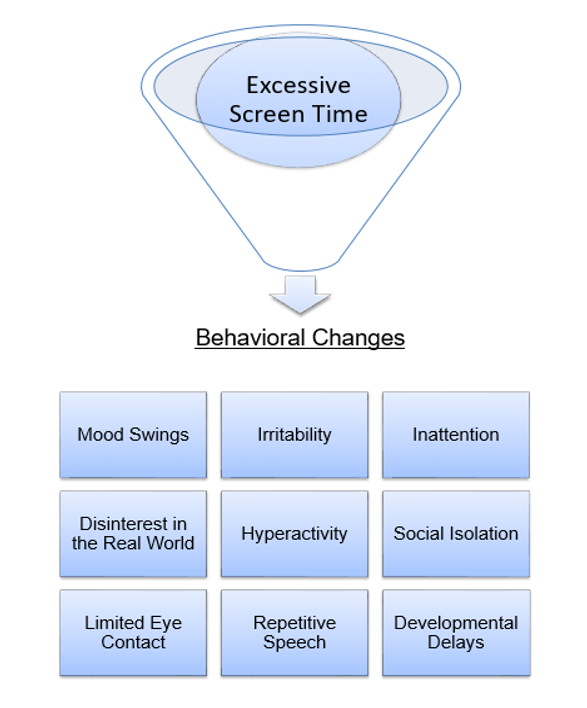

Figure 1: Neurotransmitter Level Changes in the Brain Following Screen Exposure
Neurotransmitter Imbalance
Studies have shown that excessive screen time can decrease levels of other crucial neurotransmitters (4,5) like GABA, serotonin, and acetylcholine, which are vital for:
- Dopamine: Motivation and reward processing (6)
- Acetylcholine: Learning, memory, and attention (6)
- GABA: Anxiety reduction and emotional calming (6)
- Serotonin: Mood regulation and sleep cycles (6)
Behavioural Manifestations
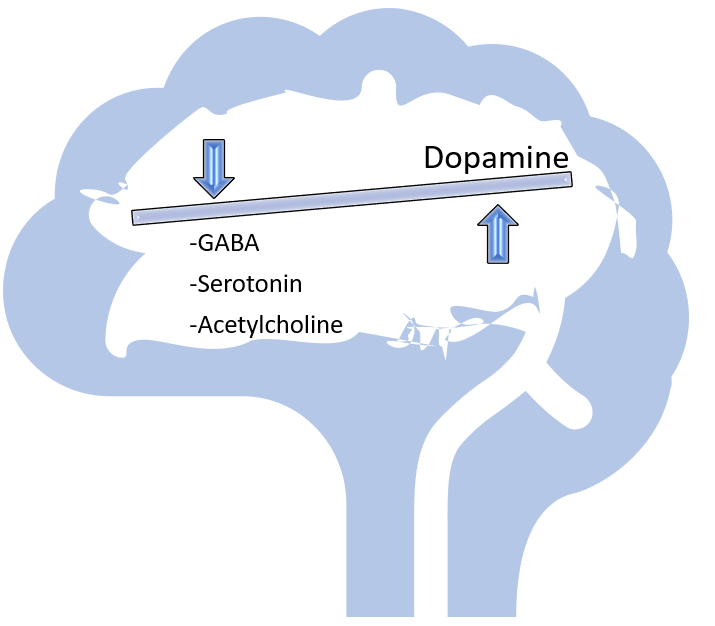

Figure 2: Behavioural Changes Observed in Children with Excessive Screen Exposure
These symptoms may improve when the screen exposure time is reduced, suggesting that the child is experiencing Virtual Autism.
Children with Autism may crave visual-spatial activities like watching videos, and parents may turn to the media to calm them. Likewise, parents nowadays, due to busy schedules, use digital devices as a convenient way to occupy their children, even during meals. This may lead to screen addiction and, ultimately, the development of “Virtual Autism”.
Autism Spectrum Disorder vs. Virtual Autism
While the behaviours may seem similar, their underlying causes and long-term implications are very different. (7)
| Autism Spectrum Disorder | Virtual Autism |
|---|---|
| A lifelong neurodevelopmental condition | A temporary condition caused by excessive screen exposure |
| Requires long-term therapies and interventions | Symptoms improve with reduced screen time |
| Genetic or neurological origin | Behavioural and environmental origin |
Table 1: Comparison Between Autism Spectrum Disorder and Virtual Autism
What Can We Do? Simple Steps to Help Your Child
The good news is that “Virtual Autism” is a temporary condition that can be prevented and reversed. Here are some actionable steps you can take today:
- Set Screen Time Limits: Establish age-appropriate and consistent boundaries for screen usage.
- Encourage Real-World Play: Promote outdoor activities, art, storytelling, and social games.
- Create Screen-Free Zones: Keep areas like dining spaces free from digital devices.
- Be a Role Model: Children imitate adult behaviour; mindful screen use by parents is crucial. (7)
Conclusion
Remember, changing habits takes time and patience. By making small, consistent adjustments, we can help our children build strong brains, healthy relationships, and a future beyond the screen.
References
- Garima Yadav (2025). Virtual autism: A review of the literature and current understanding. International Journal of Autism, 5(1), 06–08.
- Chonchaiya, W., & Pruksananonda, C. (2008). Television viewing and language delay. Acta Paediatrica, 97(7), 1017–1022.
- Takeuchi, H., et al. (2015). Television viewing and brain structure. Cerebral Cortex, 25(5), 1188–1197.
- Ge, Y., & Liu, J. (2015). Neurotransmitter deficiency in screen addiction. Journal of Alcoholism & Drug Dependence, 3, 1–6.
- Figueiro, M. G., et al. (2011). Light exposure and melatonin suppression. Neuroendocrinology Letters, 32(2), 158–163.
- Teleanu, R. I., et al. (2022). Neurotransmitters and CNS disorders. International Journal of Molecular Sciences, 23(17), 9652.
- Canadian Paediatric Society (2017). Screen time and young children. Paediatrics & Child Health, 22(8), 461–477.
About the Author


Subina Timila
B. Optom Student
Himalaya Eye Institute, Pokhara, Nepal
