


M. Varsa Harinya, M. Optom
Optometrist, Sankara Nethralaya, Chennai, India
PFAS (Per- and Polyfluoroalkyl Substances) are a broad class of synthetic chemicals that are designed to make products resistant to water, oil, heat, stain and grease. They are named “forever chemicals” because they do not break down easily, persisting in the environment and in our bodies over time. (1,2)
Where Are PFAS Found?
They are shockingly common and used in hundreds of industrial and consumer products, from non-stick cookware, waterproof clothing, to fast food wrappers, paints and also in certain medical devices. (2,3) Unfortunately, they have also been detected in contact lenses and certain spectacle coatings. . (4,5)
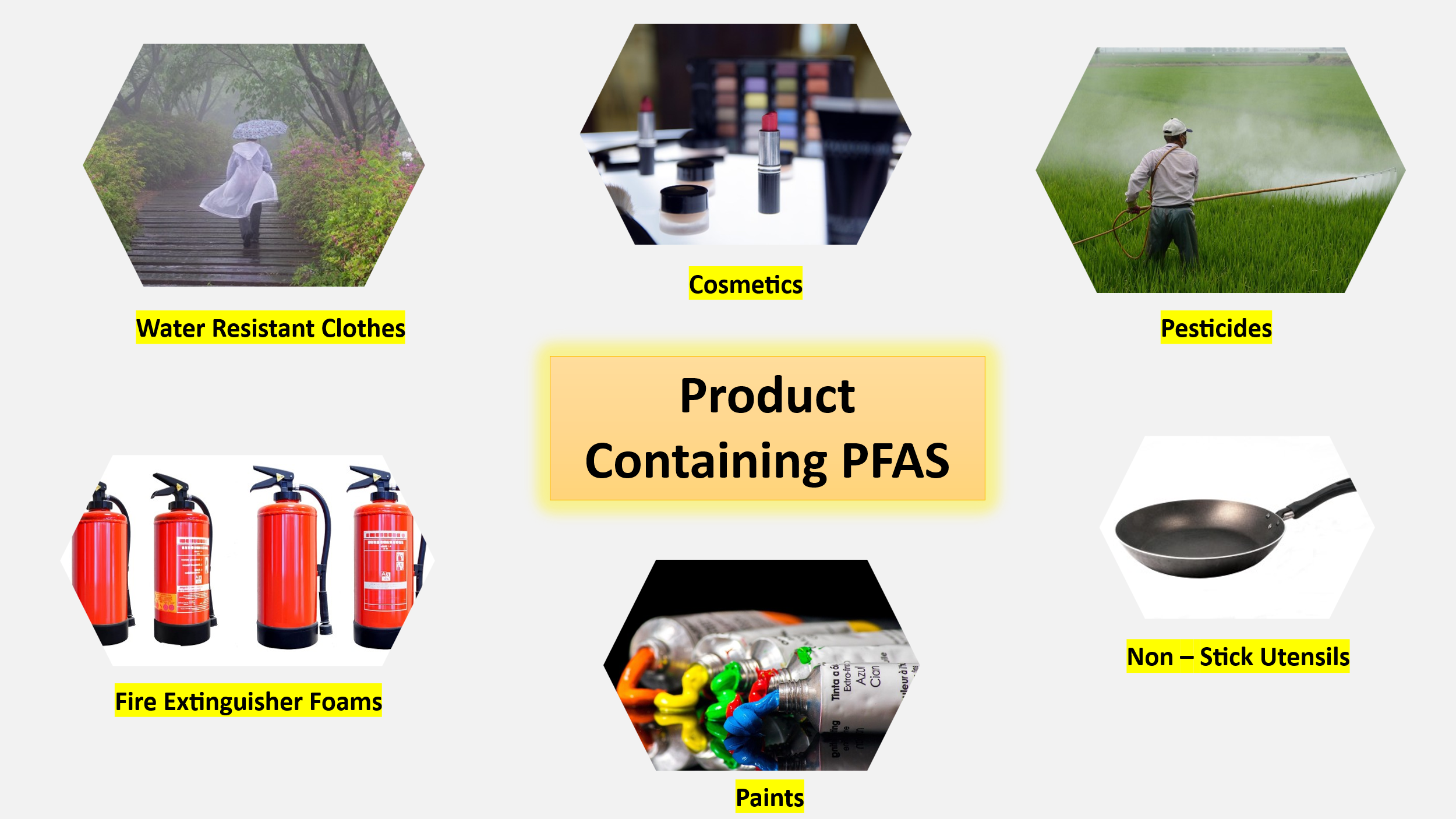

Figure 1: Examples of products containing PFAS
Why Are PFAS a Concern?
They have raised environmental and public health concerns because they have a tendency to bioaccumulate in the human body and can have adverse effects when exposed long-term such as, immune system suppression, hormonal imbalances, developmental issues, metabolic disorder and even certain cancers. (2,6,7) They also persist in soil, air and water bodies, affecting wildlife by entering into the food chain. (8) While systemic implications are recognised, their possible influence on the eye is under investigation.
Why Should Optometrists Be Aware?
Several studies have begun exploring the possible exposure of PFAS through the ocular surface:
| Study Year | Population / Sample | Key Findings | Implications |
|---|---|---|---|
| 2023 | 18 soft contact lens products | Organic fluorine detected in concentrations of 105–20,700 ppm, significantly above safe levels. (5,9,10) | Soft lenses may be a source of PFAS exposure. |
| 2024 | Contact lens wearers vs non-wearers | Wearers had higher serum PFAS concentrations. (4) | Lens use may increase systemic PFAS absorption. |
| 2020 | Workers with PFAS exposure | Higher blood PFAS levels associated with vision impairment in industrial workers. (11) | Supports growing concern over ocular effects. |
Table 1: Recent findings related to PFAS and ocular health.
These fluoropolymers (PFAS product) are utilised in contact lenses to increase oxygen permeability, durability and comfort. (5,9,10) Optometrists, as primary eye care professionals, must stay updated on developing risks and advocate patients for safer options.
Presence of PFAS in Contact Lenses: Should We Be Concerned?
Currently, there is no conclusive evidence that PFAS leach into the eye or cause direct ocular damage during normal lens wear. Regulatory bodies such as the FDA still classify contact lenses as safe.
However, the topic is evolving. Professionals should remain updated, encourage transparency from manufacturers, and support research into PFAS-free alternatives.
Why Does Safe Disposal of Contact Lenses Matter?
There is no conclusive evidence yet that it will leach into the eye or cause direct harm during normal contact lens wear. Regulatory bodies like the Food and Drug Administration (FDA) and other agencies still consider lenses safe. Research is still emerging to gain more evidence.
However, we should stay cautious and demand transparency from manufacturers, support safer innovations and safer disposal practices of contact lenses.
Conclusion
PFAS in contact lenses is an emerging concern, not a crisis yet. Eye care professionals should adopt a proactive and informed approach:
- Educate patients on disposing lenses in dry waste.
- Ask manufacturers for transparency about lens materials.
- Support development of PFAS-free polymers.
- Stay updated with FDA and global regulatory announcements.
This problem goes beyond eyes; it is about the overall health and the planet. Minimising PFAS exposure itself is necessary. Look for labels like fluoro, perfluoro, Polyfluoro, Teflon, etc.
Let us remain curious, cautious, and committed, for our eyes, our patients, and our environment.
References
- Leahy, R. (2025). PFAS and the EPA Strategic Roadmap. Harvard Law School.
- Watersheds Canada (2022). PFAS – the “forever chemicals.”
- ATSDR (2021). PFAS and your health. CDC.
- Kang, H. et al. (2024). Serum PFAS in contact lens users. Chemosphere.
- Environmental Health News (2023). Are you putting PFAS on your eyeballs?
- Grandjean, P. & Clapp, R. (2015). Health risks of PFAS. New Solutions.
- Sunderland, E. M. et al. (2019). Human exposure pathways. JESEE.
- Kannan, K. et al. (2005). PFAS in aquatic organisms. AECT.
- Voyles, L. (2023). PFAS in contact lenses. Mamavation.
- Environmental Health News (2023). PFAS in contact lenses: What you need to know.
- Zeeshan, M. et al. (2020). PFAS exposure and ocular conditions. Environment International.