

Wapang T Jamir1, M. Optom Student
Haziel Rynjah2, Assistant Professor
Royal Global University, Guwahati, India
What Differentiates You from a Champion
Champions are often praised because of their strength, speed, wit and courage. However, there is often one factor that is overlooked and that is the ability to see and make the right decisions during critical situations. True excellence is not only about seeing clearly with your eyes but how both eyes coordinate with each other to work together. (1) This is where champions shine, they train not only their physical attributes but also work on their mental and visual attributes to be a step higher than the rest.
What Are These Champions Great At?
To be simple, these champions work on their Binocular Vision. As an athlete, Binocular Vision is the root for spatial awareness, to have a three-dimensional view of the objects and people around them. It has come to light that highly developed and trained Binocular Vision enhances the performance of the athlete’s motor skills. (2) Studies show that stereopsis is important in 3D analysis of the environment, which is necessary for quick and accurate evaluation of moving objects and the gap between athletes and objects. (3)
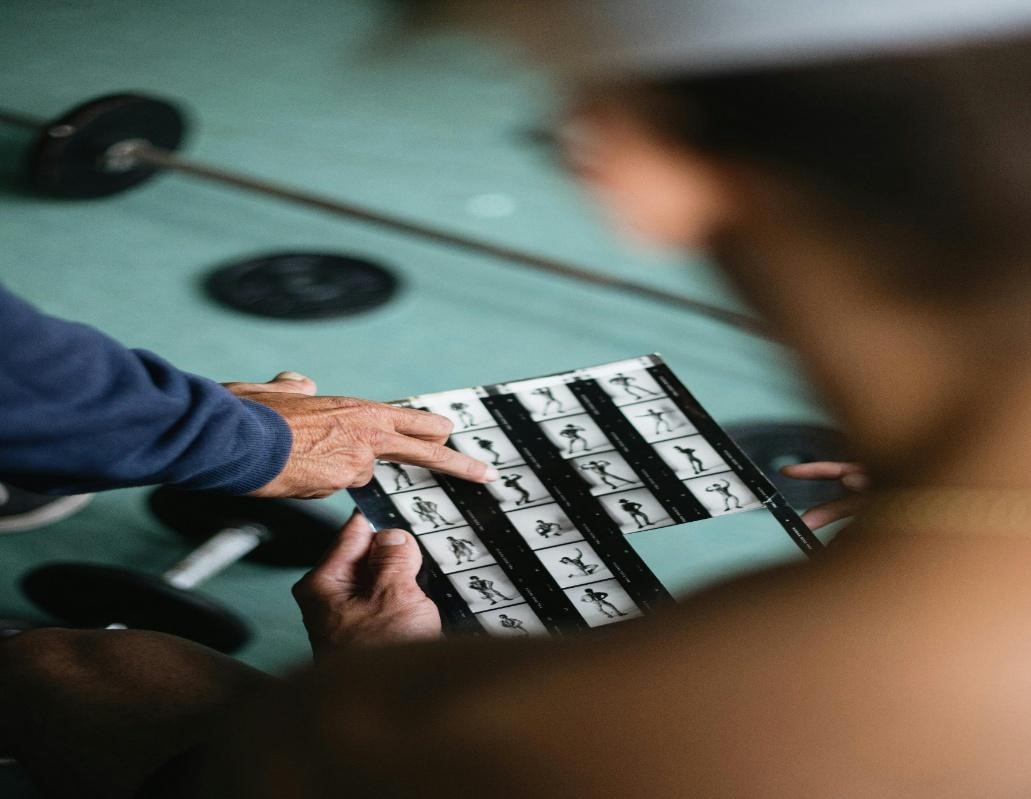
Figure 1: Image depicting the role of Binocular Vision in three-dimensional spatial awareness during athletic performance
Image Courtesy:
https://www.pexels.com/photo/crop-sportsman-looking-at-photos-of-bodybuilders-5496595/
What is Binocular Vision, Depth Perception and Stereopsis?
In simple terms, Binocular Vision is the ability of both eyes to see, which makes the brain differentiate slightly different retinal images and the convergence of the eyes to perceive depth. Depth perception is a combination of binocular, pictorial, and motion signals to assess distances and the different spaces accurately. (4) Stereopsis is the highest level of binocular vision, which allows precise depth perception through retinal disparity. (5)
How Does Binocular Vision Translate to Athletic Performance?
In professional athletes, Binocular Vision develops a person’s timing and anticipation, important for quick reaction to an opponent, an approaching ball, etc. The eyes’ convergence and fusion maintains single vision during quick head and eye movements, and accommodation improves the change in focus of near and far targets. (5)
Can We Train Our Binocular Vision?
Yes, you can train your Binocular Vision by having a well-designed vision therapy and sport vision training, like accommodation, convergence, vergence and eye-movement exercises, which help both eyes to cooperate and improve. This develops the athlete’s perception of depth, comfort in vision, reflex, and overall performance of the eyes in daily life and sports. (6)
Conclusion
In a competitive world, in which a split second can determine the loser and the victor, the visual efficiency of the competitor becomes a deciding factor. Binocular vision is not only of good vision, but how our brain can effectively process and integrate information; to assess the depth, expect movements and pathways, maintain body posture and balance, and to perform accurate motor functions. What differentiates a competitor from a champion is the consistency to train the often-overlooked visual system and improve their physical and mental conditioning. Studies show that Superior binocular coordination improves reflexes, hand-eye coordination, awareness of space, and posture. It should be noted that, binocular vision is trainable with correct vision therapy and sports vision training, and with it, an athlete can unlock greater potential. (5) True champions do not just rely on power and skills, but they see the world differently. The road to being a champion lies in the ability to see, process, and respond with accuracy.
References
- Zwierko T, Puchalska-Niedbał L, Krzepota J, Markiewicz M, Woźniak J, Lubiński W. The effects of sports vision training on binocular vision function in female university athletes. Journal of Human Kinetics. 2015 Dec 30;49:287.
- Presta V, Vitale C, Ambrosini L, Gobbi G. Stereopsis in sports: Visual skills and visuomotor integration models in professional and non-professional athletes. International Journal of Environmental Research and Public Health. 2021 Oct 27;18(21):11281.
- Hibbard PB, Asher JM, Hornsey RL. The contributions of pictorial, motion, and binocular cues to the perception of depth and distance. Vision Research. 2025 Sep 1;234:108653.
- Palani J, Radhakrishnan A, Murugan N, Ravi S. Effects on Stereopsis Under Different Lighting Conditions. The British and Irish Orthoptic Journal. 2026 Jan 27;22(1):1.
- Dutta P. Characteristics of binocular vision and oculomotor function among sports-concussed athletes. Indian journal of ophthalmology. 2023 May 1;71(5):2076-82.
- Buscemi A, Mondelli F, Biagini I, Gueli S, D’Agostino A, Coco M. Role of sport vision in performance: systematic review. Journal of Functional Morphology and Kinesiology. 2024 May 23;9(2):92.
About the Author

Wapang T Jamir
M. Optom Student
Royal Global University, Guwahati, India

Haziel Rynjah
Assistant Professor
Recent Comments