

Asmita Nandi, B. Optom Student
Shoubhik Chakraborty, Assistant Professor
NSHM College of Management and Technology, Durgapur, India
The harvest season is a time of celebration, yet for thousands of farmers in the “rice belts” of the world, it is the most dangerous time for their vision. (1) A microscopic scratch from a stray rice husk can, within days, escalate into a devastating corneal ulcer. As future optometrists, We must address how we can stop a “season of plenty” from becoming a lifetime of darkness?
Anatomy of the Human Eye Cornea
The five-layer structure of cornea acts as a vital barrier. Once fungi penetrate the epithelial basement membrane, they infiltrate the collagenous stroma. Here, the lack of blood vessels prevents immune cells from reaching the infection, allowing deep, vision-threatening ulcers to thrive.
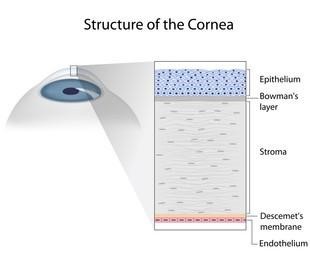
Figure 1: Image showing the structure of the cornea
Image Courtesy: https://www.shutterstock.com/image-illustration/structure-human-eye-cornea-260nw-127500686.jpg

1. The Pathogen in the Stalk: Vegetative trauma is uniquely dangerous. Rice stalks are naturally colonised by fungi like Fusarium and Aspergillus. (2)
When a rice leaf “flicks” the eye, it does not just scratch the surface; it implants living fungal spores directly into the corneal stroma. Unlike bacterial infections that cause immediate pain, fungal keratitis is a “silent thief”. It may feel like a minor irritation for 48 hours, but by the time a farmer seeks help, the fungus has often branched deep into the eye, making it incredibly difficult to treat. (2)
2. The “Village Trap” :
- Immunity and allowing the fungus to eat through the cornea rapidly.
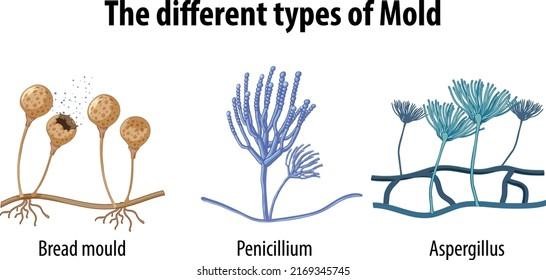
Figure 2: Image showing different molds like Penicillium and Aspergillus
Image Courtesy: https://www.shutterstock.com/image-vector/different-types-mold-illustration-260nw-2169345745.jpg

- Traditional Eye Medicine (TEM): The use of plant juices, honey, or “holy water” is a common village remedy. These are non-sterile and introduce secondary infections, complicating the primary ulcer. (3)
3. The 3-P Model
- Primary Prevention (Mechanical Shield): Promote practical eye protection, such as wide-brimmed hats and locally made wire-mesh eyewear that blocks debris while allowing ventilation and avoiding fogging.
- Prophylactic Intervention (Golden 48 Hours): Early application of basic antibiotic or antifungal ointment within 24–48 hours of minor ocular injury can prevent most ulcers; trained village vision volunteers can provide first-aid at the field level.
- Public Education (Behavioural Change): Educate farmers to avoid eye rubbing and instead rinse with clean water, seeking medical care if redness persists beyond one day.
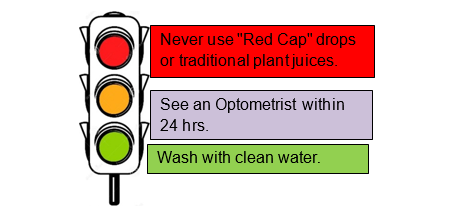
Figure 3: Image showing traffic light guide to urgent eye care
Image Courtesy: Created by the Author
Conclusion
Preventing corneal blindness requires extending care beyond clinics into farming communities through education on traumatic eye injuries and the use of protective measures.
By prioritising prevention over treatment, we can protect the vision of those who sustain and support society.
References
- Kate, A., & Basu, S. (2024). Corneal blindness in the developing world: The role of prevention strategies. F1000Research, 12, 1309.
- Thomas, P. A., & Kaliamurthy, J. (2013). Mycotic keratitis: epidemiology, diagnosis and management. Clinical microbiology and Infection, 19(3), 210-220.
- Cahayana, N. W. (2021). Fungal Keratitis with Corneal Ulcer in Farmer. In International Conference on Agromedical and Tropical Disease Faculty of Medicine Jember University (Vol. 51).
About the Author

Asmita Nandi
B. Optom Student
NSHM College of Management and Technology, Durgapur, India

Shoubhik Chakraborty
Assistant Professor
Recent Comments