
Haziel Rynjah, M. Optom
Assistant Professor, The Assam Royal Global University, Guwahati, India
Dark circles (or “panda eyes”) are found in all age groups. (1) They are multifactorial, involving skin structure, pigmentation, vascular factors, lifestyle, and health. (1,2) The skin is thin, full of tiny vessels, and supported by small fat pads. Even minor swelling, hollowing, or pigmentation becomes dark and more noticeable. (3)
Types and Causes
Dark circles are classified into four types:
- Pigmentary: More melanin under the skin, often worsened by sun exposure or rubbing. (2)
- Vascular: Visible veins beneath thin skin, appearing bluish or purplish, and aggravated by fatigue or dehydration. (2)
- Structural: Natural hollows or aging changes create shadows. (3)
- Mixed: A combination of the most common presentations. (3)
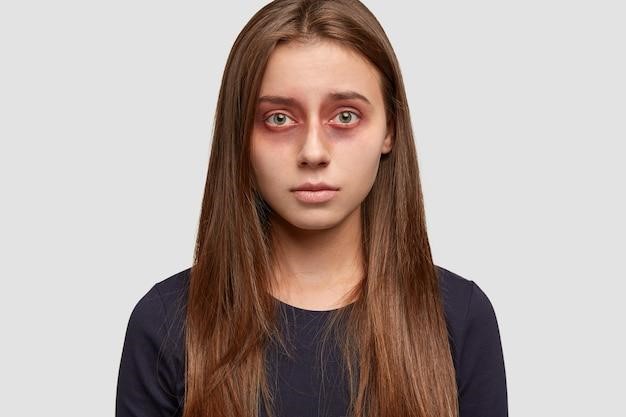
Figure 1: The Image shows the pattern of dark circles.
Risk Factors
The factors that increase the risk of dark circles, include:
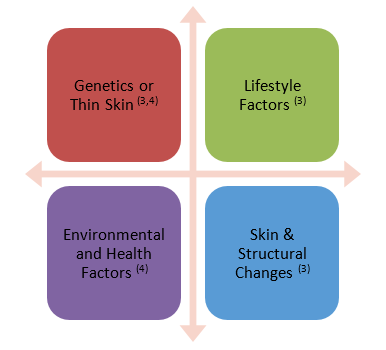
Figure 2: This flowchart shows the risk factors leading to dark circles.
Clinical Evaluation
Dark circles are usually harmless, but further assessment is advised when there is a sudden onset, swelling, redness, asymmetry, vision changes, or associated illness. A good history and examination, often in collaboration with dermatology or primary care, helps identify contributing factors. (4)
Role of Optometry
Patients with “tired-looking eyes” often have contributing issues such as digital eye strain, dry eye, allergies, refractive errors, or poor blinking habits. Addressing these can improve comfort and appearance while protecting long-term eye health. (5)
Management Strategies
- Lifestyle
- Sleep 7–8 hours, hydrate well. (6,7)
- Follow the 20–20–20 rule for screens. (6)
- Avoid rubbing and use cold compresses when puffy. (6)
- Use sunscreen and sunglasses. (7)
- Skincare
- Gentle hydrating or brightening creams. (6,7)
- Daily sun protection. (7)
- Avoid harsh home remedies. (7)
- Medical options
- Treat allergies or sinus problems.
- Dermatologic procedures like peels, lasers, or fillers (limited cases). Improvement is usually partial rather than complete. (8)
Myths vs Reality
Lack of sleep is not the only cause. No single cream “erases” circles and rubbing worsens pigmentation rather than helping. (9)
Emerging Perspectives
Advances in imaging, targeted skincare, digital eye strain education, and holistic wellness approaches are reshaping how clinicians view dark circles not just as cosmetic, but as part of overall eye and skin health. (1)
Conclusion
Dark circles are common and often reflect lifestyle and physiological factors rather than disease. Causes include sleep patterns, genetics, dehydration, allergies, agging, and eye strain. (7,8) Management focuses on healthy habits, eye care, skincare, and professional guidance. (9)
References
- Klećkowska-Nawrot, J. E., Goździewska-Harłajczuk, K., Barszcz, K., & Stegmann, K. O. (2024). Morphological examination of the visual system and orbital region in the red panda (Ailurus fulgens fulgens). BMC Veterinary Research, 20(1), 284.
- Ankita, P., Harti, S., & Rao, M. (2021). Study to Know the Impact of Ayurvedic Lifestyle on Dark Circles Around Eyes. Current Traditional Medicine, 7(4), 595-600.
- Huang, Y. L., Chang, S. L., Ma, L., Lee, M. C., & Hu, S. (2014). Clinical analysis and classification of dark eye circle. International journal of dermatology, 53(2), 164-170.
- Ahn, I., Lee, S., & Jin, H. J. (2019). Do dark circles under the eyes predict health status. Int J Clin Exp Med, 12(5), 5536-5544.
- Mueller, C. (2017). How To Look Less Tired. Glamour, 115(3), 120-120.
- Matsui, M. S., Schalka, S., Vanderover, G., Fthenakis, C. G., Christopher, J., Bombarda, P. C. P., … & Bombarda Júnior, M. S. (2015). Physiological and lifestyle factors contributing to risk and severity of peri-orbital dark circles in the Brazilian population. Anais brasileiros de dermatologia, 90, 494-503.
- Sagner, M., Egger, G., Binns, A., & Rossner, S. (Eds.). (2017). Lifestyle medicine: lifestyle, the environment and preventive medicine in health and disease. Academic Press.
- Ahmed, N. A., Mohammed, S. S., & Fatani, M. I. (2019). Treatment of periorbital dark circles: comparative study of carboxy therapy vs chemical peeling vs mesotherapy. Journal of cosmetic dermatology, 18(1), 169-175.
- Friedmann, D. P., & Goldman, M. P. (2015). Dark circles: etiology and management options. Clinics in plastic surgery, 42(1), 33-50.
About the Author

Haziel Rynjah
Assistant Professor
Recent Comments