
Kalyani B, M. Optom
Assistant Professor, Dhanalakshmi Srinivasan University, Trichy, India
Caffeine, the most popular psychoactive substance, powers millions of people through busy days and long nights. Found in coffee, tea, chocolate, and energy drinks, it is valued for its ability to boost alertness and focus. Beyond its well-known impacts on energy and mood, caffeine also interacts with the eyes in intriguing ways. (1)
How Does Caffeine Affect Your Eyes?
1. A Balancing Act
Caffeine has been shown to temporarily increase intraocular pressure (IOP), the fluid pressure inside the eye. For individuals with glaucoma or a predisposition to it, this effect may warrant moderation. Elevated IOP is a major risk factor for optic nerve damage in glaucoma patients, making it crucial to monitor caffeine consumption carefully.
2. Caffeine and Tear Production
If your eyes ever feel dry after that third cup of coffee, you are not alone. While caffeine may slightly dehydrate the body, its impact on tear production is paradoxical:
- Some studies suggest caffeine stimulates the lacrimal glands, increasing tear volume, a potential benefit for those with dry eye. (2)
- However, excessive caffeine consumption might destabilise the tear film due to systemic dehydration. (3)
3. Enhanced Visual Performance
One of caffeine’s perks is its ability to enhance alertness, which extends to visual processing. (4) Research indicates possible improvements in:
- Contrast sensitivity – Detecting fine differences between light and dark.
- Reaction time – Especially for tasks requiring rapid visual attention.
For athletes and professionals who depend on visual precision, caffeine might provide a subtle yet useful advantage.
4. Retinal Effects
Caffeine influences retinal blood flow, a crucial factor for maintaining healthy vision. While these changes are usually temporary and harmless for most people, individuals with vascular eye diseases should take note. Moreover, caffeine’s antioxidant properties may protect retinal cells from oxidative stress, potentially reducing the risk of age-related macular degeneration (AMD). (5)
5. Pupillary Response and Light Sensitivity
Ever noticed your eyes feeling more sensitive to light after caffeine? Mild pupillary dilation—caused by nervous system stimulation, can make bright lights seem more intense. Although temporary, this can be bothersome for individuals with existing light sensitivity. (6)
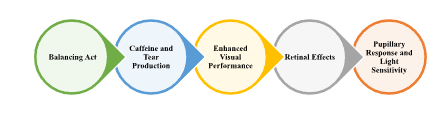
Figure 1: Effects of Caffeine on the Eyes
Tips for Eye-Friendly Caffeine Habits
- Stick to Moderation: The Food and Drug Administration (FDA) recommends limiting caffeine intake to 400 mg per day (about four 8-ounce cups of coffee).
- Stay Hydrated: Balance caffeine consumption with plenty of water to maintain tear film stability.
- Know Your Risk Factors: If you have glaucoma or dry eye syndrome, consult your eye care professional regarding safe caffeine levels.
- Time It Right: Avoid caffeine intake late in the day to protect sleep quality and reduce visual fatigue. (7,8)
Conclusion
The relationship between caffeine and vision is a fascinating blend of science and lifestyle. While caffeine can enhance certain visual functions and provide antioxidant protection, excessive intake may contribute to discomfort or worsen specific eye conditions. As with most things in life, moderation is key. If you are a coffee lover with an eye on good vision, enjoy your morning cup, responsibly. (9,10)
References
- Yoon, J. J., & Danesh-Meyer, H. V. (2019). Caffeine and the eye. Survey of Ophthalmology, 64(3), 334–344.
- Arita, R., Yanagi, Y., Honda, N., Maeda, S., Maeda, K., Kuchiba, A., Yamaguchi, T., Yanagihara, Y., Suzuki, H., & Amano, S. (2012). Caffeine increases tear volume depending on polymorphisms within the adenosine A2a receptor gene and cytochrome P450 1A2. Ophthalmology, 119(5), 972–978.
- Magno, M. S., Utheim, T. P., Morthen, M. K., Snieder, H., Jansonius, N. M., Hammond, C. J., & Vehof, J. (2023). The relationship between caffeine intake and dry eye disease. Cornea, 42(2), 186–193.
- Hogervorst, E. E., Bandelow, S., Schmitt, J., Jentjens, R. O., Oliveira, M., Allgrove, J., Carter, T., & Gleeson, M. (2008). Caffeine improves physical and cognitive performance during exhaustive exercise. Medicine & Science in Sports & Exercise, 40(10), 1841–1851.
- Conti, F., Lazzara, F., Romano, G. L., Platania, C. B., Drago, F., & Bucolo, C. (2022). Caffeine protects against retinal inflammation. Frontiers in Pharmacology, 12, 824885.
- Chandrasekaran, S., Rochtchina, E., & Mitchell, P. (2005). Effects of caffeine on intraocular pressure: The Blue Mountains Eye Study. Journal of Glaucoma, 14(6), 504–507.
- Osei, K. A., Ovenseri-Ogbomo, G., Kyei, S., & Ntodie, M. (2014). The effect of caffeine on tear secretion. Optometry and Vision Science, 91(2), 171–177.
- Hartmann, E. V., Reichert, C. F., & Spitschan, M. (2024). Effects of caffeine intake on pupillary parameters in humans: A systematic review and meta-analysis. Behavioral and Brain Functions, 20(1), 19.
- Li, M., Wang, M., Guo, W., Wang, J., & Sun, X. (2011). The effect of caffeine on intraocular pressure: A systematic review and meta-analysis. Graefe’s Archive for Clinical and Experimental Ophthalmology, 249, 435–442.
- Mavangira, M. R. (2025). Caffeine and Eyes: Balancing the Benefits and Risks. Vision Science Academy.
Recent Comments