

Sanjukta Jana1, B. Optom
1 M. Optom Student, SRM Medical College Hospital and Research Centre, Chennai, India
Pet ownership is widely recognised for emotional well-being and other physiological benefits such as improved cardiovascular health. (1) However, close interaction between humans and animals leads to exposure to various zoonotic species. This can result in several ocular complications ranging from mild conjunctivitis to severe visual impairment. The purpose of this blog is to provide a deep understanding of these risks, crucial for the early detection, prevention, and management of pet-associated eye diseases. (2)
Risk Factors for Pet-Associated Ocular Infections
| Category | Risk Factor | Example / Explanation |
|---|---|---|
| Human Factors | Compromised immunity | Diabetes, steroid use, pregnancy increase susceptibility |
| Behavioral Factors | Poor hand hygiene | Handling pets, food, or litter and touching eyes |
| Environmental Factors | Inadequate ventilation | Pathogen persistence in damp indoor environments |
| Pet Care Factors | Irregular veterinary check-ups | Missed deworming, unchecked flea infestations |
Table 1: Various Risk Factors
Common Eye Diseases Prevalent Among Pet Owners
- 1. Ocular Toxoplasmosis
- Transmission: Cats can transmit toxoplasmosis to humans. They acquire infection by eating infected rodents or small animals. The parasite becomes active one to five days after being passed in the faeces of the infective cat. It can persist in the environment for several months and contaminate surrounding inanimate objects. (4)
Retinochoroiditis caused by Toxoplasma gondii is the most common cause of infectious retinochoroiditis worldwide. It often presents with sudden onset of floaters and painful, sudden diminution of vision. One-fourth of patients report vision worse than 20/200 in at least one eye. (3)
Precaution: Clean cat litter boxes daily. Wash fruits, vegetables, and hands thoroughly after soil or litter contact. (4)
2. Ocular Larva Migrans
Ocular Larva Migrans is an inflammatory condition resulting from migration of roundworm larvae, mainly Toxocara canis and Toxocara cati, into the eye. Dogs and cats are definitive hosts. (5) The larvae may migrate to the posterior segment via choroidal vessels, causing inflammation. Symptoms include squinting, decreased vision, photophobia, floaters, redness, pain, and in severe cases, blindness. Diagnosis is difficult due to negative lab results and is usually clinical. (5)
- Transmission: Accidental ingestion of eggs from soil, pet faeces, or contaminated surfaces. (5)
- Precaution: Frequent deworming of pets; avoiding contact with contaminated soil. (5)
3. Cat Scratch Disease (CSD)
Cat-scratch disease leads to regional lymphadenopathy, fever and malaise following feline scratches. It often presents with neuroretinitis featuring optic nerve oedema and macular star formation. Discrete white retinal or choroidal lesions may be present. Parinaud oculoglandular syndrome—conjunctival inflammation with preauricular adenopathy—is a characteristic feature. (6)
Transmission: Bartonella species in flea faeces are transmitted to humans through trauma from a cat scratch or bite. (6)
Precaution: Avoid rough play with cats; maintain proper flea control.
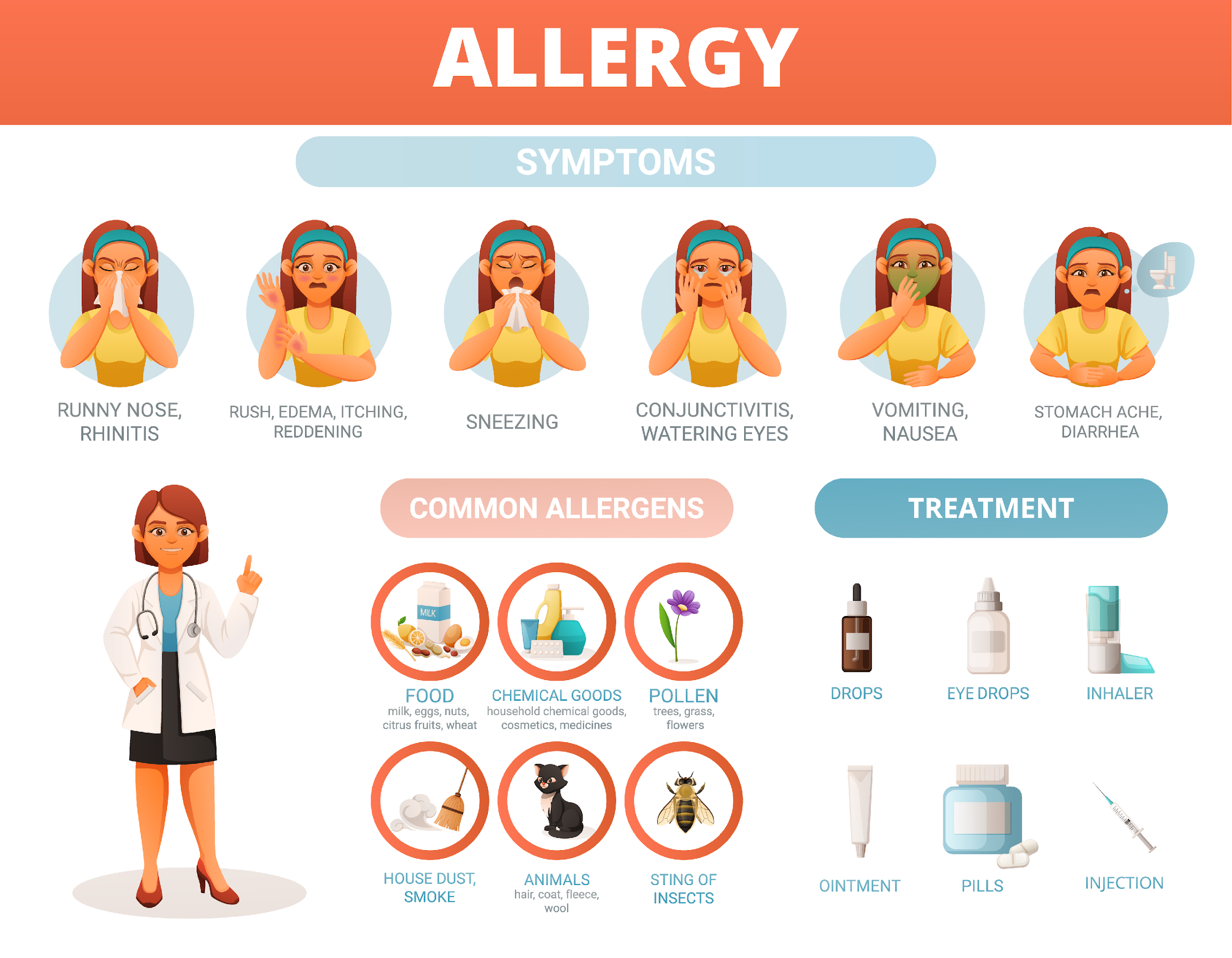
Figure 1: Various Causes of Allergy, Including Animals as a Common Source
Along with these diseases, pet owners are often at higher risk of allergic conjunctivitis due to dander or fur exposure.
Conclusion
Optometrists are pivotal players in safeguarding eye health for pet owners. Their role extends beyond clinical care (including dealing with advanced diagnostics to primary effective treatment and proper referral) to raising awareness about potential hazards associated with pet ownership. By promoting preventive measures and educating the public about the hazards, optometrists help bridge the gap between pet companionship and public health. Pet owners must remain proactive and embrace self as well as veterinary hygiene to mitigate risks.
References
- Allen, K., Blascovich, J., & Mendes, W. B. (2002). Cardiovascular reactivity and the presence of pets, friends, and spouses: The truth about cats and dogs. Psychosomatic Medicine, 64(5), 727–739.
- Chomel, B. B., & Sun, B. (2011). Zoonoses in the bedroom. Emerging Infectious Diseases, 17(2), 167–172.
- Stokkermans, T. J., & Havens, S. J. (2023). Toxoplasma retinochoroiditis.
- Centers for Disease Control and Prevention. About Toxoplasmosis. (Accessed November 20, 2025).
- Thomas, Liji. Ocular Larva Migrans. (Accessed November 20, 2025).
- Larochelle, Marissa, MD. Cat Scratch Disease. (Accessed November 20, 2025).
Recent Comments