
Bavirisetty Sai Balakrishna, M. Optom
Head of Department, Pushpagiri Eye Foundation, Cuddapah, India
Retinopathy of Prematurity (ROP) is a condition found in premature (preterm) babies in which abnormal blood vessel growth occurs in the retina, the light-sensitive tissue at the back of the eye. While medical interventions can stabilise the ROP and help prevent total visual loss, numerous children who had ROP face ongoing visual challenges.
Vision therapy is the most essential for these babies because fixing the anatomical structure of the eye is only the first step. Vision therapy is needed to educate the brain on how to use the eyes effectively and overcome, which leads to functional visual impairments associated with ROP. (1)
There are several crucial reasons why vision therapy is crucial for ROP survivors.
1. Developing Abecedarian (Fundamental Visual Skills) Visual Chops
ROP frequently affects sharpness (perceptivity), but if perceptivity is reasonable, the brain needs training to coordinate other visual skills. Therapy focuses on perfecting.
Oculomotor Function Tracking Moves objects easily and snappily, moving eyes between two points (scanning).
- Focusing (Accommodation): The capability to switch focus between near and far objects efficiently.
- Teaming (Binocular Vision): Tutoring both eyes to work together seamlessly, which is critical for depth perception.
Example: Early Stimulation: sensitive input obsession. (2)
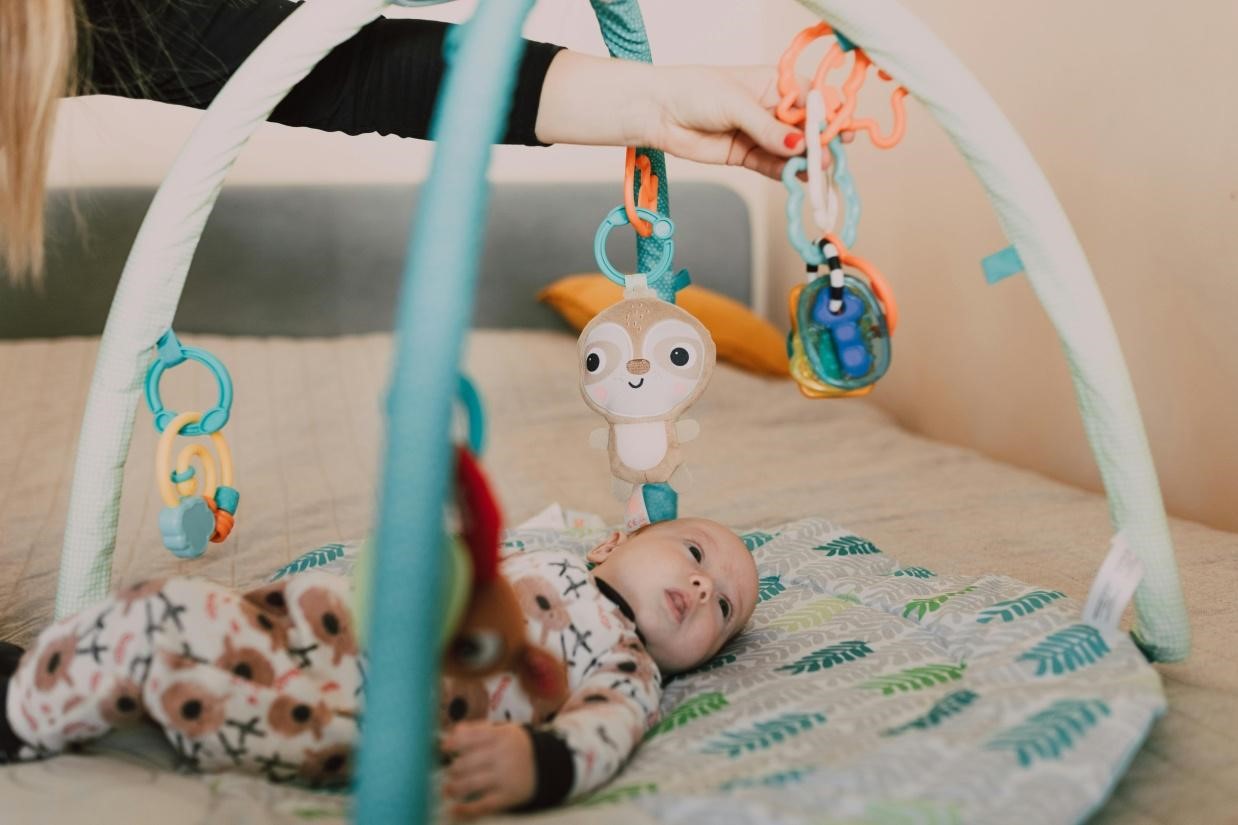
Figure 2: This image shows the developing visual skills.
Image Courtesy: https://www.pexels.com/photo/a-cute-baby-lying-down-while-looking-at-the-toys-hanging-6849270/
2. Compensating for Visual Field Loss
Severe ROP can lead to scarring or detachment, causing visual field loss (blind spots). Vision therapy cannot regrow retinal tissue, but it can teach children strategies, such as effective head-turning and surveying techniques, to maximise their remaining supplemental vision and safely navigate their terrain.
Example: Basic Oculomotor Smooth hobbies, Scanning exercises. (5)
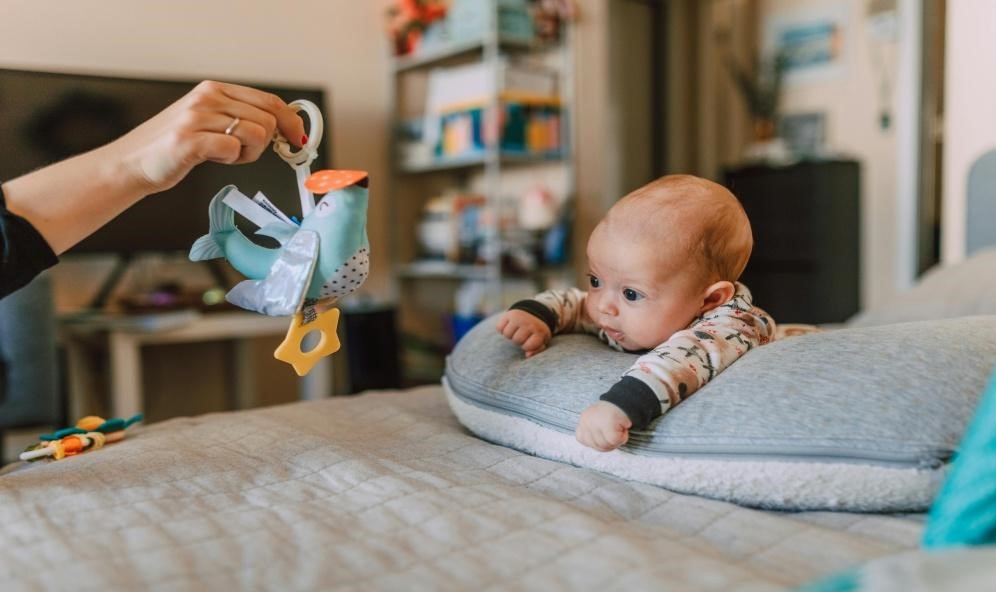
Figure 3: This image shows the smooth oculomotor tracking.
Image Courtesy: https://www.fledglingsflight.com/post/4-to-6-month-sleep-regression
3. Treating Amblyopia and Strabismus
Babies with ROP are at a significantly higher risk of developing refractive errors, including myopia (near-sightedness) and hypermetropia (farsightedness). When eyes are not aligned or have extensively different conventions, the brain may begin to ignore the input from one eye, leading to amblyopia (lazy eye). Vision therapy is frequently the most effective system for retraining the brain to reuse input from both eyes inversely.
Example: Eye teaming, depth perception, collaboration. (1,3,4)
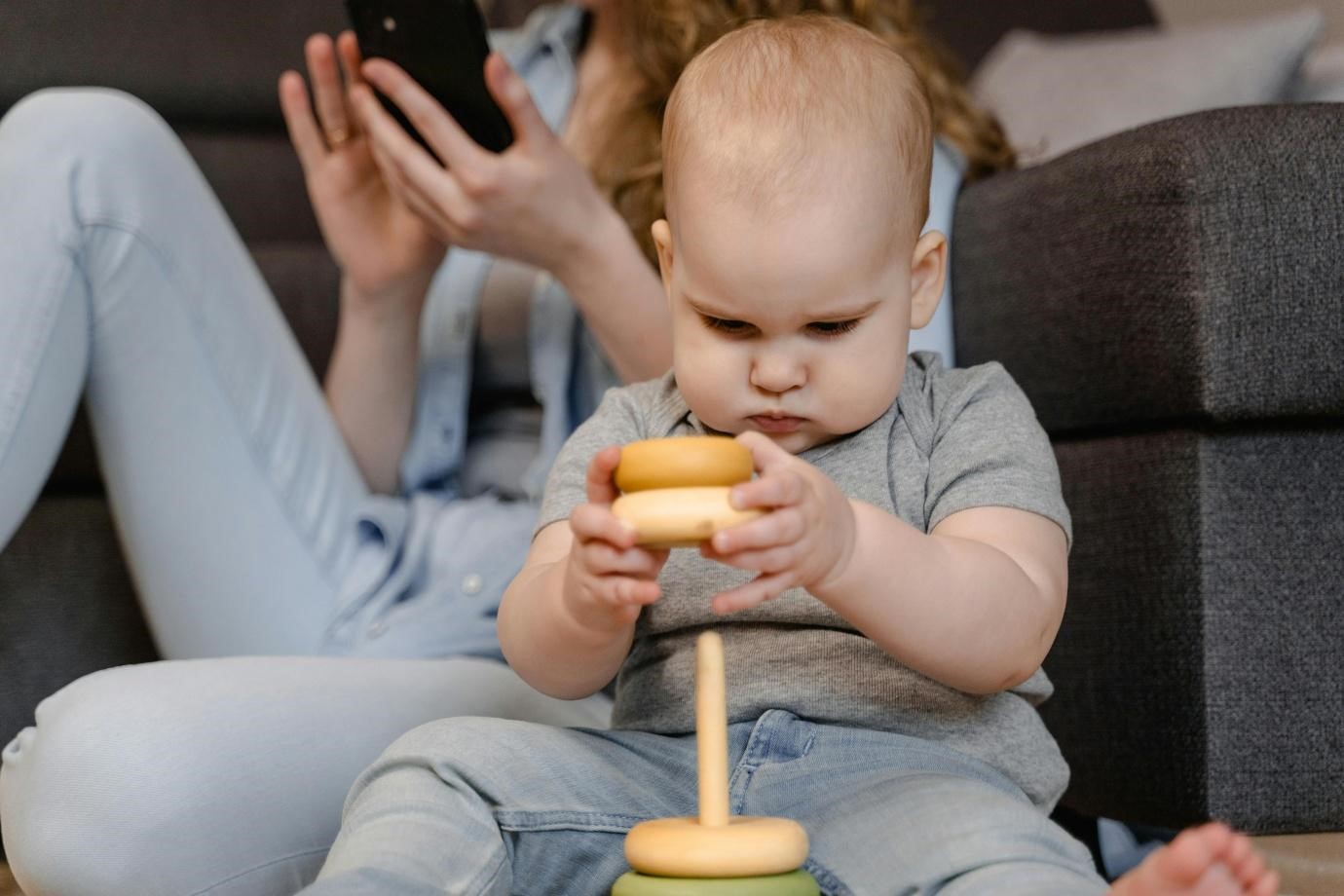
Figure 4: This image shows the training depth perception of a child.
Image Courtesy: https://www.pexels.com/photo/close-up-shot-of-a-baby-playing-7491721/
4. Bridging the Gap between Observing and Looking Forward (Visual-Motor Integration)
Vision is our primary sense for guiding movement. Children with ROP may see an object but struggle with hand-eye coordination (e.g., reaching for a toy, feeding themselves, or laterally jotting). Vision therapy works directly on integrating visual input with motor function, perfecting collaboration, and gross-fine motor chops.
Example: Visual Motor Integration – Hand-Eye Coordination. (1)
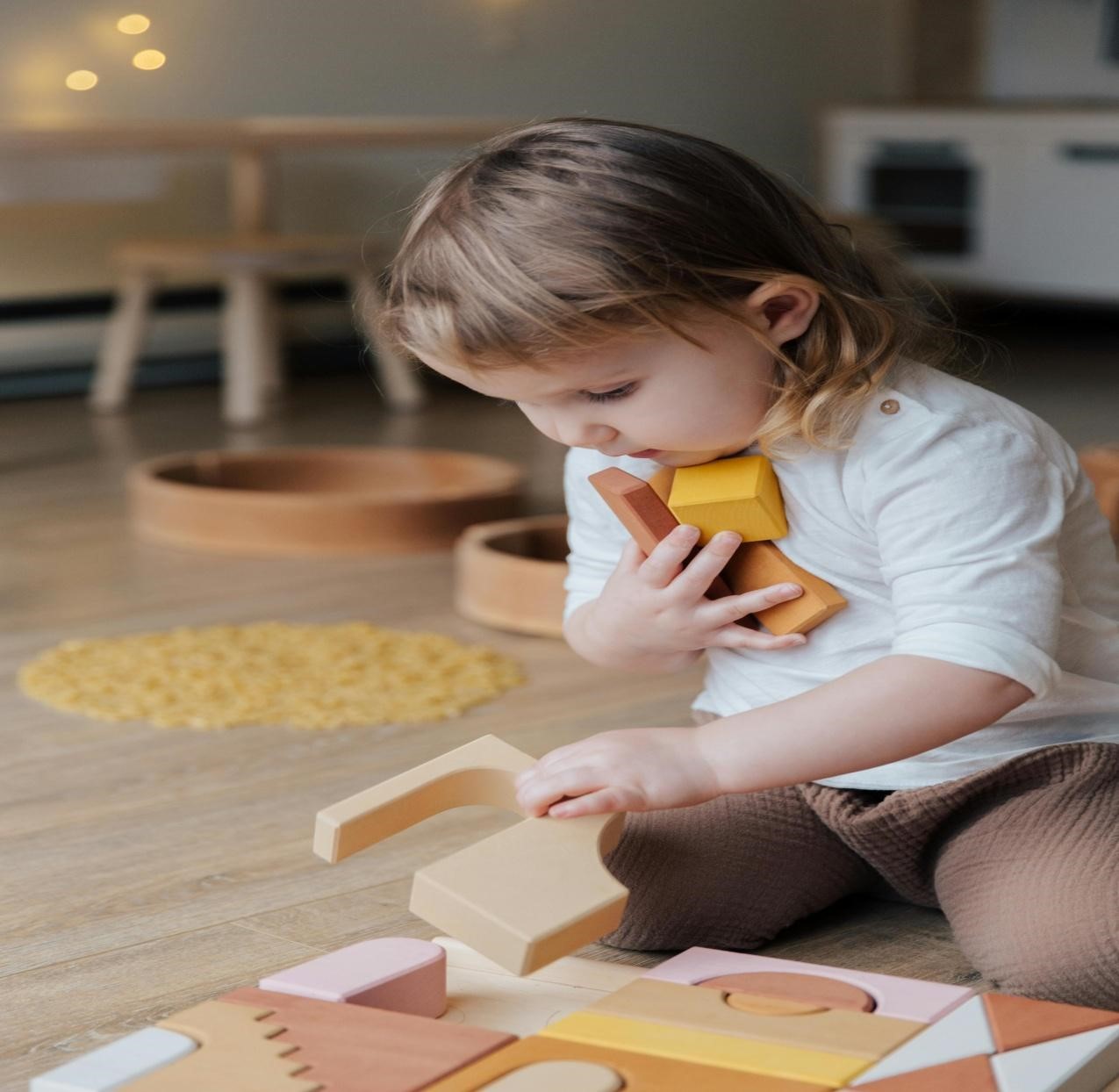
Figure 5: This image shows Oculomotor and hand coordination training.
Image Courtesy: https://www.pexels.com/photo/photo-of-child-holding-wooden-blocks-3933276/
5. Structure Visual- Perceptual capacities for Learning
Build visual and perceptual abilities. As ROP children grow, vision therapy shifts focus to advanced-position chops necessary for the academy, like:
- Visual Memory: Recalling what they have seen.
- Visual Discrimination: Noticing the differences between analogous objects (essential for learning letters and figures).
Visual Form: Constancy featuring a shape or letter, regardless of its size or exposure. (1)
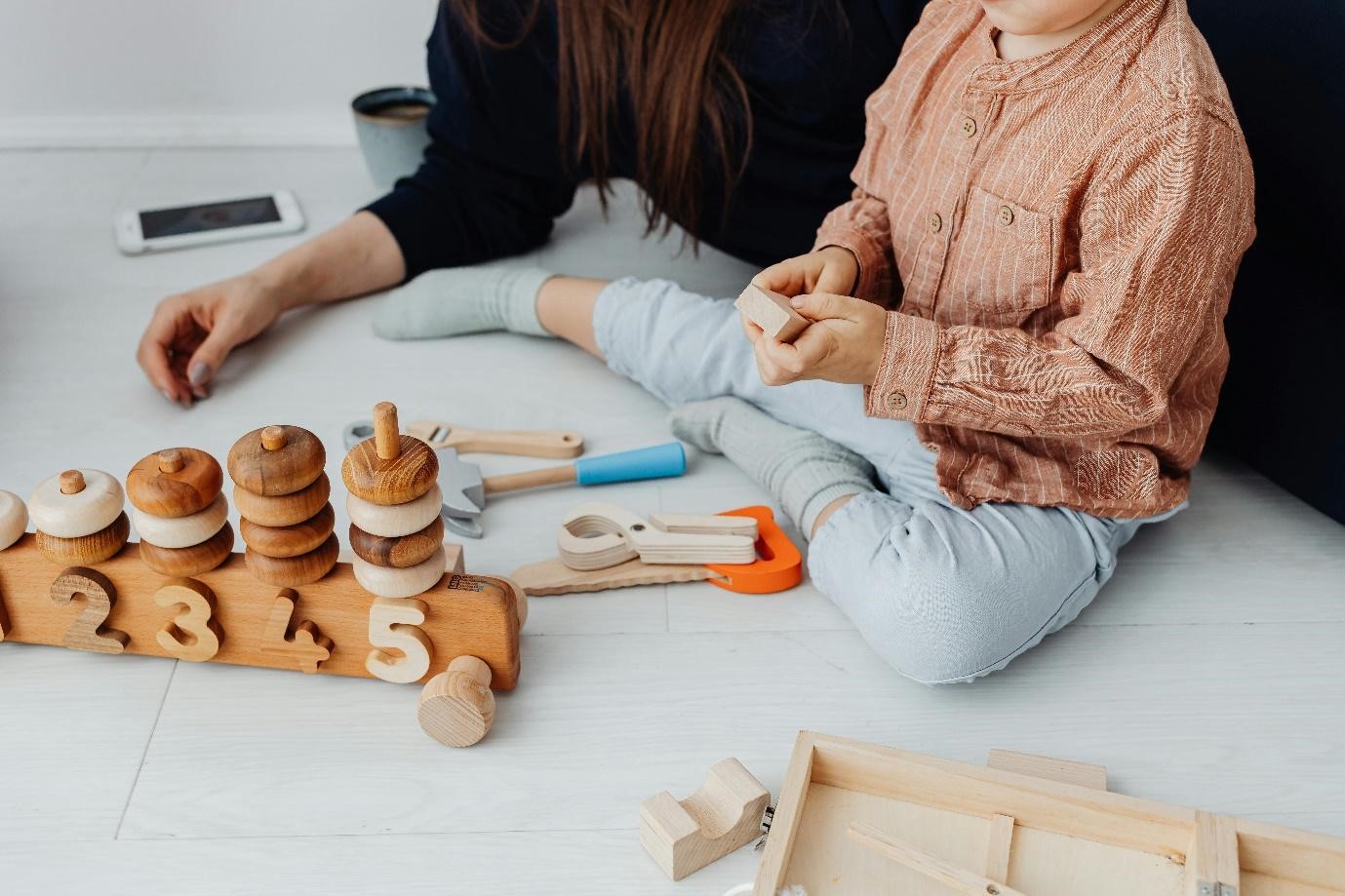
Figure 6: This image shows the visual- perceptual building learning capacities.
Image Courtesy: https://www.pexels.com/photo/a-person-in-brown-long-sleeves-sitting-on-the-floor-while-holding-a-wooden-toys-7269574/
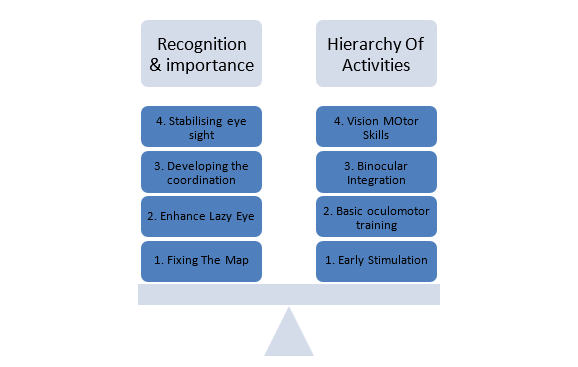
Figure 7: This image shows the journey of functional vision sight
Image Courtesy: Created by the Author
Conclusion
For a baby with ROP, the goal is not just “prevention of blindness” but “optimisation of functional vision.” Vision therapy is the vital link that ensures the brain can effectively interpret and use the visual signals the eyes are furnishing, empowering the child to learn & play, interact with confidence.
References
- Tsai, L. T., Hsu, J. L., Wu, C. T., Chen, C. C., & Su, Y. C. (2016). A New Visual Stimulation Program for Improving Visual Acuity in Children with Visual Impairment: A Pilot Study. Frontiers in human neuroscience, 10, 157.
- Roy, L., Nagendran, I., Ganesh, S., & Ravikumar, P. (2025). Impact of Early Vision Therapy Intervention on an Infant with Retinopathy of Prematurity. tnoa Journal of Ophthalmic Science and Research, 63(3), 331-334.
- Dr. Ali Wasef Alkhatib. (2023).Pediatric Ophthalmology: Amblyopia (Lazy Eye), Strabismus, and Pediatric Eye Examinations SAS Publishers.
- Brumbaugh, J. E., Bell, E. F., Hirsch, S. C., Crenshaw, E. G., DeMauro, S. B., Adams-Chapman, I. S., Lowe, J. R., Natarajan, G., Wyckoff, M. H., Vohr, B. R., Colaizy, T. T., Harmon, H. M., Watterberg, K. L., Hintz, S. R., & Eunice Kennedy Shriver National Institute of Child Health and Human Development Neonatal Research Network (2023). Relationships between retinopathy of prematurity without ophthalmologic intervention and neurodevelopment and vision at 2 years. Pediatric research, 94(5), 1720–1730.
- Dathe, A.-K., Jaekel, J., Franzel, J., Hoehn, T., Felderhoff-Mueser, U., & Huening, B. M. (2020). Visual Perception, Fine Motor, and Visual-Motor Skills in Very Preterm and Term-Born Children before School Entry–Observational Cohort Study. Children, 7(12), 276. https://doi.org/10.3390/children7120276
About the Author

Bavirisetty Sai Balakrishna
Head of Department
Recent Comments