
Shraddha Hiwale, B. Optom Student
Shruti Sawant, Assistant Professor
MGM University, Chhatrapati Sambhajinagar, India
Welding is a highly skilled industrial process used to fuse metals using heat, pressure, or both. Despite its importance across industries, welding exposes workers to significant occupational hazards, particularly to the eyes. (1,2) One of the most common conditions associated with welding is welder’s eye, also known as Photokeratitis, which results from acute exposure to intense ultraviolet radiation. The consistent use of appropriate eye protective equipment acts as a physical barrier, filtering harmful radiation and preventing damage to the cornea, lens, and retina.
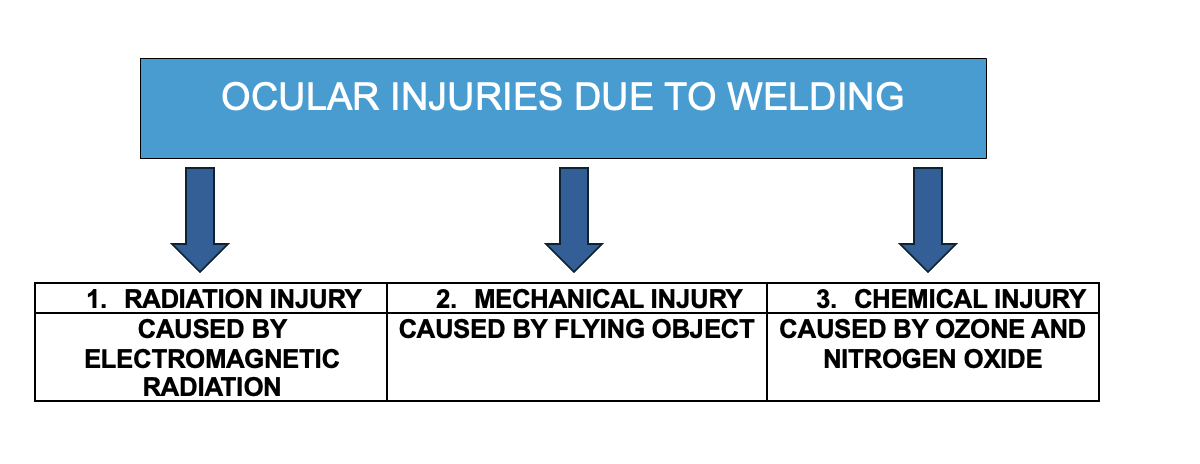
Figure 1: This image shows types of injuries seen in welders.
Image Courtesy: Created by the Author
| SHORT-TERM EFFECTS | LONG-TERM EYE EFFECTS |
|---|---|
| Photokeratitis | Cataract |
| Eye Redness, Pain, Watering | Pterygium and Pinguecula |
| Light Sensitivity | Chronic Dry Eye |
| Blurred Vision | Reduced Vision Quality |
| Corneal Injury from Metal Particles | Retinal / Macular Damage |
Table 1: This table shows short-term and long-term effects of welding on the eye.
Protective Eyewear for Welders
Protective eyewear plays a crucial role in preventing welding-related ocular injuries. Refer to Figure 2 for types of protective equipment used during welding. According to ANSI (American National Standard Institute) standards, protective eyewear used during welding and cutting must incorporate filter lenses of appropriate shade to limit exposure to harmful radiant energy, with higher shade numbers providing greater protection by reducing light transmission to the eyes. The recommended shade varies depending on the welding or cutting process and the intensity of the arc or flame, and all eye and face protection must comply with ANSI Z87.1 and ANSI Z49.1 requirements to ensure adequate safety. (3)
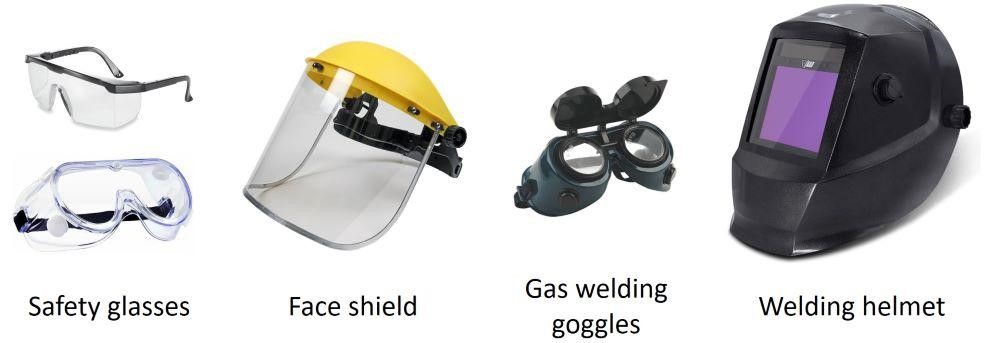
Figure 2: This image shows the types of protective equipment used during welding.
Image Courtesy:
https://autoedu.info/en/equipment-and-tools/protective-equipment/personal-safety/eye-protection/
Why Eye Safety Is a Public Health Concern
In a South Indian study, 33.1% of welders reported a history of ocular injury, with higher occurrence among those working longer hours and in poorly ventilated or overcrowded conditions. (1) In an Ethiopian study, a substantial proportion of welders had experienced ocular injury, and only 56.8% demonstrated good-level ocular protection practices, despite high access to protective eyewear. (2)
Reasons Behind Lack of Protective Eyewear Usage
Lack of awareness and poor protective practices among welders are commonly associated with absence of formal job training, lower educational levels, long and continuous working hours, and employment in unorganised work settings. Additional contributing factors include inadequate workplace infrastructure such as poor ventilation and overcrowding, perceived cost barriers of protective equipment, limited periodic medical examinations, and a gap between availability of protective eyewear and the knowledge, attitude, and motivation required for its consistent use. (1,2,4)
Conclusion
Evidence indicates that insufficient awareness, lack of formal training, and inconsistent use of protective eyewear continue to limit effective prevention, even when protective equipment is available. Future strategies should prioritise mandatory safety training, regular ocular screening, improved enforcement of protective standards, and targeted awareness programmes. Strengthening collaboration between optometrists, employers, and regulatory bodies is essential to promote safer practices and reduce the burden of welding-related eye injuries.
References
- Alexander, V., Sindhu, K. N., Zechariah, P., Resu, A. V., Nair, S. R., Kattula, D., Mohan, V. R., & Alex T, R. G. (2016). Occupational safety measures and morbidity among welders in Vellore, Southern India. International journal of occupational and environmental health, 22(4), 300–306.
- Belete, Y. A., Assefa, N. L., & Tegegn, M. T. (2023). Ocular Protection Practice and Associated Factors Among Ethiopian Welders: Institution-Based Cross-Sectional Study. Clinical optometry, 15, 175–184.
- Occupational Safety and Health Administration. (2012). Eye protection during welding (OSHA Fact Sheet). U.S. Department of Labor.
- Joseph, N. Joseph, N., Venkatesh, V., Akash, S. K., Hegde, S., Moras, E., & Shenoy, N. P. (2017). Occupation Hazards – Pattern, Awareness and Preventive Measures among Welders from an Unorganized Sector in India. Journal of clinical and diagnostic research : JCDR, 11(5), LC23–LC28.
About the Author

Shraddha Hiwale
B. Optom Student
MGM University, Chhatrapati Sambhajinagar, India

Shruti Sawant
Assistant Professor
Recent Comments