

Haziel Rynjah, M. Optom
Assistant Professor, The Assam Royal Global University, Guwahati, India
The season for snuggly blankets, warm beverages, and endless binge-watching is now. During the winter, when the weather is colder and days are shorter, many of us find ourselves sitting in front of screens for hours on end trying to catch up on our must-see shows and movies. (1) Though this practice may feel soothing, your eyes may be screaming to the contrary.
Why Do Your Eyes Get Screen Time Strain in the Winter?
Indoor heaters that are used during the winter will dry out the air. In association, the low humidity in indoor environments with long screen time is a frequent cause for increasing evaporation and reducing blinking. (2)
When we use digital screens, our blink rate reduces by up to 50%, so our eyes become dry, irritated, and tired. The condition is commonly referred to as digital eye strain. (3)
Also, binge-watching often takes place in dark rooms. Inadequate ambient lighting can cause the eyes to struggle to focus on and contrast objects, creating stress for the visual system. (2,3)
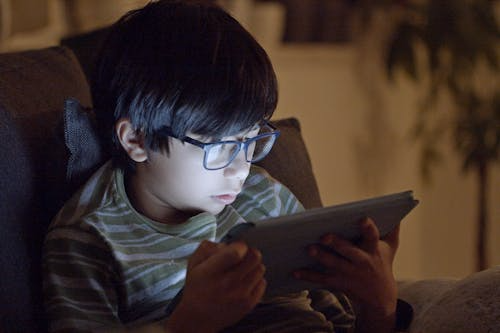
Figure 1: The image shows eye strain due to increased screen time.
Image Courtesy: https://www.pexels.com/photo/cozy-winter-scene-with-warm-knitted-wear-35538973/
Eye Signs and Symptoms You May Experience
- Dryness or burning sensation
- Red or watery eyes
- Blurred or fluctuating vision
- Headaches after long screen sessions
- Eye fatigue and heaviness
If not treated, these symptoms may become chronic dry eye disease, particularly in patients with existing tear film instability. (3)
The Blue Light Factor
Blue light penetrates deep into the eye, and it is emitted from digital screens. Repeated exposure can interfere with sleep patterns by inhibiting the production of melatonin, meaning it is harder to fall asleep, which only encourages more late-night binge-watching. Bad sleep also aggravates dry eyes and discomfort. (4)
Easy Things You Can Do to Save Your Eyes This Winter
Different strategies can be implemented to prevent digital eye strain and maintain comfortable vision.
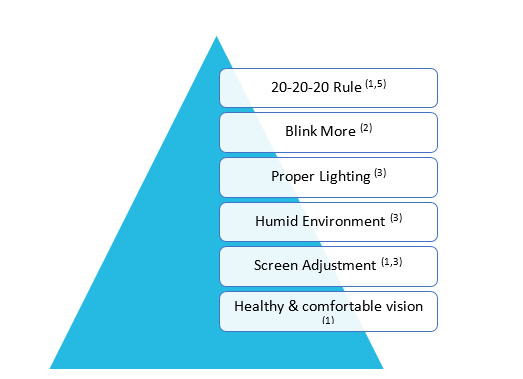
Figure 2: The flowchart shows preventive strategies to reduce digital eye strain and maintain comfortable vision.

Conclusion
Binge-watching might seem like the perfect winter escape, but all that screen time in dry, heated air can do a number on your eyes. Signs such as dryness, irritation, and fatigue in the eyes are being seen more often today due to our heavy reliance on digital devices. The good news is that the bulk of winter-related eye misery can be prevented. Simple habits, which include taking breaks, blinking properly, good lighting, and maintaining indoor humidity, can greatly decrease eye strain. (6) And this winter, when you are locked down and snuggled up, enjoy your screen time, mindfully protect your eyes today for comfortable and clear vision in the coming seasons.
References
- Eidet, J. R., Chen, X., Ræder, S., Badian, R. A., & Utheim, T. P. (2022). Seasonal variations in presenting symptoms and signs of dry eye disease in Norway. Scientific Reports, 12(1), 21046.
- Horwath-Winter, J., Berghold, A., Schmut, O., Floegel, I., Solhdju, V., Bodner, E., … & Haller-Schober, E. M. (2003). Evaluation of the clinical course of dry eye syndrome. Archives of ophthalmology, 121(10), 1364-1368.
- Dermer, H., Galor, A., Hackam, A. S., Mirsaeidi, M., & Kumar, N. (2018). Impact of seasonal variation in meteorological conditions on dry eye severity. Clinical Ophthalmology, 2471-2481.
- Ide, T., Toda, I., Miki, E., & Tsubota, K. (2015). Effect of blue light–reducing eye glasses on critical flicker frequency. Asia-Pacific Journal of Ophthalmology, 4(2), 80-85.
- Gayton, J. L. (2009). Etiology, prevalence, and treatment of dry eye disease. Clinical ophthalmology, 405-412.
- Dyrek, M., Partyka, A., Małachowski, A., Malinowski, P., Błaszczak, E., Kopczyńska, U., … & Dydyk, M. (2024). Dry eye disease–how our lifestyle choices can affect the disease?. Journal of Education, Health and Sport, 70, 55791-55791.
About the Author

Haziel Rynjah
Assistant Professor
Recent Comments