
Amrit Jha, M. Optom
Global Optometrist and Clinical Tutor
L V Prasad Eye Institute – Liberia Eye Center
Scientific monitoring of the Air Quality Index (AQI) reveals a harsh reality across South Asian countries like Bangladesh, Pakistan, India, Nepal, and China – where every breath carries invisible toxins that damage the eyes as silently as they scar the lungs. In a region already burdened by dense populations and a severe shortage of eye care professionals, millions struggle to access even basic eye examinations. As poor air quality worsens year after year, it adds a hidden yet powerful strain on eye health, turning daily exposure into a slow, unrecognised vision crisis.
The Hidden Burden of Air Pollution
Air pollution does not just harm lungs; it silently attacks our eyes. Fine Particulate Matter (PM2.5) and gases like Nitrogen Dioxide (NO₂), Ozone(O₃), and Sulfur Dioxide (SO₂) irritate the surface of the eyes, causing dryness, redness, watering, and even long-term damage, as our delicate tear film offers little protection against the toxic polluted air. (1)
Groups at Greater Risk
Some groups are especially at risk from the impact of air pollution on the eyes. Children with developing eyes, urban dwellers, outdoor workers, factory workers, the elderly, and those with existing eye conditions may face heightened irritation, long-term damage, and reduced quality of life. (1)
Short-Term Effects on Eye Comfort
Exposure to air pollutants can quickly trigger eye irritation, itching, burning, and excessive tearing. Fine particles may disrupt the lipid layer of the tear film, increase tear evaporation and contribute to dry eye symptoms. (1) Acute episodes of high pollution have been linked to increased rates of conjunctivitis, allergic eye disease, and ocular surface inflammation. (2)
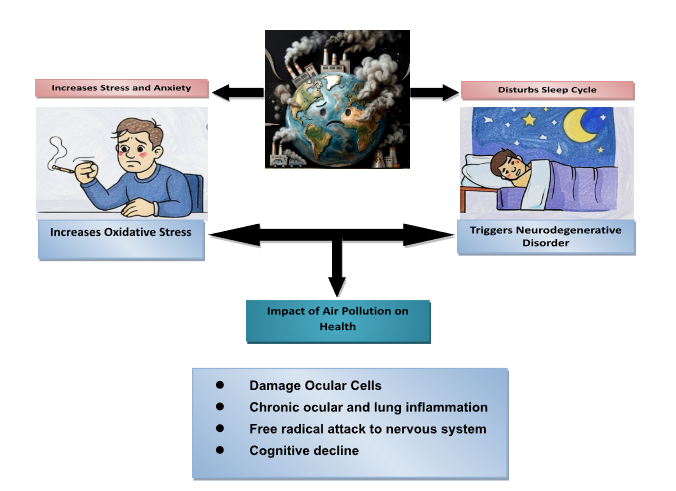
Figure 1: This image shows the impact of air pollution on health.
Image Courtesy: Created by the Author
Long-Term Risks to Vision
In experimental studies, fine particulate matter can generate Reactive Oxygen Species (ROS) in the body, causing oxidative stress that triggers inflammation and damages cells. ROS are also known to cause damage to macromolecules such as lipids and proteins. Emerging evidence suggests links between pollutant exposure and ocular hypertension, glaucoma, and posterior segment diseases such as Age-related Macular Degeneration (AMD). (3) Prolonged exposure may also exacerbate particulate matter-mediated retinal disorders and vascular dysfunction, raising concerns for long-term visual impairment. (4)
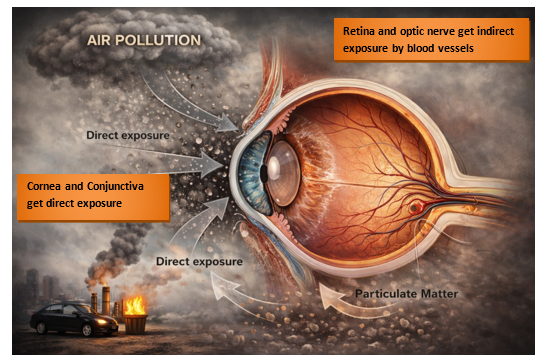
Figure 2: : This image shows particulates invading the ocular structure.
Image Courtesy: Created by the Author
Protective Strategies and Awareness
The eye is one of the few organs constantly exposed to the external environment. Fine dust particles enter all parts of the eye through direct exposure of the ocular surface or indirect exposure via inhalation. (5)
Protective steps include:
- Limiting outdoor activity during high AQI
- Wearing protective eyewear and masks
- Lubricating eye drops
- Indoor air purifiers
- Public awareness, and
- Stronger air-quality regulations are crucial to prevent pollution-related eye diseases.
Conclusion
Air pollution is a silent yet serious threat to vision, causing eye irritation and long-term disease over time. Protecting eye health demands both personal precautions and stronger air-quality policies to safeguard clear vision and reduce future pollution-related eye disorders worldwide.
References
- Iqbal, S., Ramini, A., & Kaja, S. (2025). Impact of particulate matter and air pollution on ocular surface disease: A systematic review of preclinical and clinical evidence. The ocular surface, 35, 100-116.
- Ehret, M., Sauer, A., Speeg-Schatz, C., & Bourcier, T. (2022). Surface oculaire et pollution environnementale extérieure: revue systématisée de la littérature. Journal Français d’Ophtalmologie, 45(7), 784-802.
- 3. Li, L., Xing, C., Zhou, J., Niu, L., Luo, B., Song, M., … & Lei, Y. (2021). Airborne particulate matter (PM2. 5) triggers ocular hypertension and glaucoma through pyroptosis. Particle and Fibre Toxicology, 18(1), 10.
- Markeviciute, A., Huang-Lung, J., Zemaitiene, R., & Grzybowski, A. (2023). A review of ambient air pollution as a risk factor for posterior segment ocular diseases. Journal of Clinical Medicine, 12(11), 3842.
- Han, J. H., Amri, C., Lee, H., & Hur, J. (2024). Pathological mechanisms of particulate matter-mediated ocular disorders: a review. International Journal of Molecular Sciences, 25(22), 12107.
About the Author

Amrit Jha
Global Optometrist and Clinical Tutor
Recent Comments