
Roshaan Abdul Basheer, B. Optom Student
Sri Manakula Vinayagar Medical College and Hospital , Puducherry, India
Ocular trauma is an often-slighted cause of vision loss in developed countries. Injuries to the eye, whether blunt or penetrating, can cause visual defects, such as cataracts or glaucoma. Studying ocular can be difficult because some injuries happened in the past and patients may not recall the details plainly. Research is also hindered by poor follow up of patients. (1) Globally there were approx. 59.9 million incident cases of eye injury in 2019. (2) Preventing ocular injuries requires concern how and why they take place; better prevention techniques can be used.
Blunt Trauma
Blunt trauma was more prevented in age group 16-25yrs (24.3%) followed by 26-35yrs (23.9%). Majority (68.6%) of victims belong to rural background. (3)
- Direct: Injury to the eye by hand, first, ball or blunt instrument like a stick, stone and iron rod. (4)
- Accidental: Accidental trauma like a fall from a self-fall, stone injury, cracker injury etc. (4)
Complication
The complications of injuries are Hyphaema, Retinal Detachment, Glaucoma, Dislocated lens and Cataract.
First Aid in Blunt Trauma in Eye
- Gently apply ice packs to relieve pain and swelling, keep away from using frozen food bags to inhibit bacterial eye infection.
- Avoid applying any pressure on your eyes.
- In the event of severe pain, or disturbance of vision, you should go to the emergency room directly.
Management
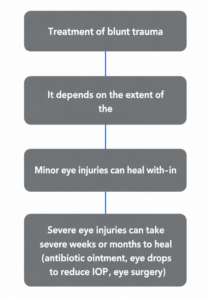
Figure 1: The flowchart shows the treatment of blunt trauma.
| Protocol | Prohibition |
| Always wear protective eyewear when participating in sports activities. | Never drive while intoxicated. |
| Wear your seat belt when you’re in a car whether you are the driver or passenger. | Do not apply pressure especially if there is a risk of rupture. |
| Be careful when handling fireworks, firearms and other sharp objects. | Do not apply ointment /drops without concern of the doctor. |
Table 1: This table shows the protocol and prohibition of blunt trauma in the eye.
Sports Injury
Different sports carry variable ocular risks which are dependent on many factors: The level of contact involved type of equipment involved (which can cause blunt or penetrating trauma, and the size, the velocity and weight/density of the object. These each play important roles in the level of severity of the ocular injury. (5)
Complication
Open globe injuries, close globe injuries, corneal abrasion conjunctival haemorrhages, hyphaema, orbital fractures.
First Aid in Sports Injury
- Immediately stop playing, do not rub the eye, and avoid applying pressure.
- If any foreign bodies are present, do not rub. Rinse the eye with clean water or saline solution for 15 minutes.
Management
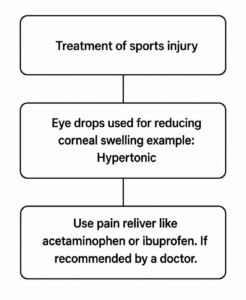
Figure 2: This flowchart shows the treatment of sports injury.
| Protocol | Prohibition |
| Eye protection is extremely effective in sports that mandate such wearers. | Avoid regular glasses (it can shutter upon impact, causing serious injuries). |
| Eye protection made of polycarbonate lenses must be worn. | Not rubbing can cause more damage if the eye is scratched. |
| Flush the eye gently [for small particles like sand] | Avoid straining the eye. |
Table 2: This table shows the protocols and prohibition of sports injury in the eye.
Mechanical Injury
Mechanical trauma of the eye can result in serious morphological and impacts on eye structures. Blindness is frequently used to describe severe visual impairment with residual vision. To determine which people may need special assistance because of their visual disabilities. Various governmental jurisdictions have formulated more complex definitions referred to as legal blindness. (6)
Complication
Corneal scarring and cataracts to Retinal Detachment, Glaucoma, and Endophthalmitis (severe infection).
Management
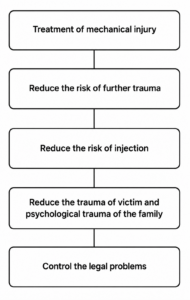
Figure 3: This flowchart shows the treatment of mechanical injury.
| Protocol | Prohibition |
| Do keep the head slightly raised to reduce swelling. | Do not apply pressure even if bleeding is present. |
| Do note the time and cause of injury for medical reference. | Do not wash the eye forcefully with strong water flow. |
| Do use a rigid eye shield if available instead of soft cloth. | Do not expose the injured eye to bright light or screen. |
Table 3: This table shows the protocol and prohibition of mechanical injury in the eye.
Conclusion
Eye injuries need quick and careful first aid. Staying calm, avoiding rubbing the eye and getting medical help on time. Can prevent serious damage. Simple, proper first aid can protect vision and help the eye heal safely. Early recognition of eye injury symptoms and prompt response are equally important. Using clean water to rinse eyes, protecting them with clean cover, and avoiding home remedies can prevent complications. Proper awareness and education about eye injury first aid ensure better outcomes and long-term eye health.
References
- Garg (2024).Ocular Trauma: Acute Evaluation, Cataract, Glaucoma. EyeWiki
- Li, C., Fu, Y., Liu, S., Yu, H., Yang, X., Zhang, M., & Liu, L. (2023). The
global incidence and disability of eye injury: an analysis from the Global Burden of Disease Study 2019. EClinicalMedicine, 62.
- Maurya, R. P., Singh, V. P., Gautam, S., Kumar, A., Mishra, C. P., Jain, P., … & Patel, A. (2023). Study of epidemiology, clinical profile, visual outcome and prognostic factors of blunt ocular trauma in a teaching hospital. Indian Journal of Clinical and Experimental Ophthalmology, 8(4), 458-467.
- Mohseni, M., Blair, K., Gurnani, B., & Bragg, B. N. (2023). Blunt eye trauma. In StatPearls [Internet]. StatPearls Publishing.
- Rodriguez, J. O., Lavina, A. M., & Agarwal, A. (2003). Prevention and treatment of common eye injuries in sports. American family physician, 67(7), 1481-1488.
- Potockova, A., Strmen, P., Krasnik, V., & Olah, Z. (2010). Mechanical injuries of the eye. Bratisl Lek Listy, 111(6), 329-35.
About the Author

Roshaan Abdul Basheer
Optom Student,
Recent Comments