
Shiv, B. Optom Student
Noida International University, Greater Noida, India
Cerebral Visual Impairment (CVI) is a neurological disorder characterised by visual and perceptual impairments resulting from dysfunction, injury, or abnormalities of the retrogeniculate visual pathways, visual association areas, and oculomotor control systems, which is more profound if the thalamus is affected. (1)
What is CVI?
CVI is a neurological visual disorder caused by damage to the visual pathways of the brain. Despite normal eye structure, affected children have difficulty interpreting and understanding visual information. (2) Children with CVI show a wide range of visual behaviours.
Causes of CVI
It occurs due to damage to the visual pathways of the brain or processing centres, impairing the interpretation of visual information. Common causes include Hypoxic-Ischemic Encephalopathy, Prematurity, Periventricular Leukomalacia, Intracranial Haemorrhage, infections, and brain injury. Early diagnosis and visual rehabilitation are essential, as neuroplasticity may improve visual function over time. (3)
Impact of CVI on Daily Life
The impaired processing of visual information significantly affects the functional abilities and quality of life of an individual. It has a significant impact on the functional abilities and quality of life of a person. (4) Individuals with CVI often struggle with face and object recognition, depth perception, and complex visual scenes, affecting reading, mobility, self-care, and daily activities. CVI affects learning and development, causing delayed motor skills, poor hand-eye coordination, and difficulties in visually cluttered environments. (4)
Impact of CVI on Education and Quality of Life
The visual processing difficulties associated with CVI significantly affect academic performance and quality of life of the children. Impaired visual processing causes difficulties with attention, recognition, reading, copying, and interpreting visual information. (5) Fast-paced teaching techniques, crammed classrooms, and an abundance of visual stimuli can all further lower learning effectiveness. Individualised education plans, simplified visual materials, high-contrast learning aids, and multisensory teaching methods are therefore beneficial for these kids.
Management Protocols of CVI
Management of CVI requires early diagnosis and a multidisciplinary approach. Vision rehabilitation focuses on improving functional vision through enhanced contrast, optimised lighting, reduced visual clutter, and structured visual stimuli. Regular ophthalmic care is essential to correct refractive errors and manage associated ocular conditions.
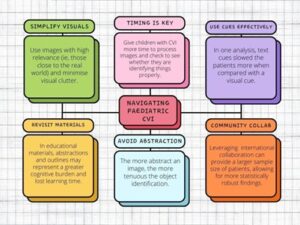
Figure 1: This image shows the simplified visual life of CVI.
Image Courtesy: https://cdn.sanity.io/images/0vv8moc6/ophtimeeurope/cc69ad698c208a8c8c601342d1bb0808216ffcba-1280×960.jpg?w=1280&max-h=960&fit=crop&auto=format

Role of Optometrists in CVI
Optometrists play a vital role in diagnosing and managing CVI through comprehensive assessments of visual acuity, contrast sensitivity, visual fields, ocular motility, accommodation, and binocular vision, often identifying deficits despite normal ocular anatomy. To maximise functional vision, Optometrists help distinguish CVI from ocular causes of visual impairment, diagnose related refractive faults, and prescribe the right glasses. (6)
Functional vision assessment, which assesses how a child uses vision in everyday situations like classrooms and homes, is one of the primary contributions of the Optometrist.
Conclusion
The condition significantly affects functional vision despite structurally healthy eyes. Early diagnosis, functional vision assessment, and multidisciplinary management are essential for improving outcomes.
References
- Lueck, A. H., & Dutton, G. (Eds.). (2015). Vision and the brain : understanding cerebral visual impairment in children. AFB Press, American Foundation for the Blind.National Eye Institute: Cerebral Visual Impairment overview.
- Good WV et al., Journal of AAPOS, 2001.
- Dutton GN, Bax M. (2001) Visual impairment in children due to brain damage. BMJ.
- Ganesh, S., & Rath, S. (2018). Cerebral visual impairment in children. Delhi Journal of Ophthalmology, 29(2), 11-16.
- Roman-Lantzy, C. (2007). Cortical visual impairment: An approach to assessment and intervention. American Foundation for the Blind.
- Zihl, J., & Dutton, G. N. (2015). Cerebral visual impairment in children. Visuoperceptive and Visuocognitive Disorders.
About the Author

Shiv
Optom Student,
Recent Comments