
Partha Kumar Das, B. Optom Student,
NSHM College of Management and Technology, Durgapur, India
Just as breathing is essential for life, blinking is essential for healthy eyes. We blink thousands of times a day without even noticing, yet this simple action plays a powerful role in protecting our vision. Blinking is a semi-autonomic, rapid closure of the eyelids that keeps the eyes comfortable, clear, and safe from damage.
Every blink spreads a thin, protective layer of tears across the surface of the eye. This tear film keeps the eyes moist, washes away dust and microbes, and ensures smooth vision. Without regular blinking, our eyes would quickly become dry, irritated, and vulnerable to infection.
How Blinking Works
Blinking is controlled by a well-coordinated neuromuscular system. Two main muscles are involved: the orbicularis oculi, supplied by the facial nerve, which closes the eyelids, and the levator palpebrae superioris, supplied by the oculomotor nerve, which lifts the upper eyelid. A blink occurs when the levator muscle relaxes and the orbicularis muscle contracts, followed by reopening of the eyelids. This precise coordination allows blinking to happen effortlessly and repeatedly throughout the day. (1)
Blinking Rate and Its Variations
Blink rate changes with age and activity. New-borns blink only about 2–6 times per minute, while children and adults blink around 14–17 times per minute. In older adults, blink rate may decrease slightly and is influenced by concentration, screen use, and individual habits. (2)
Types of Blinking
Blinking can be classified into three types. Spontaneous blinking occurs automatically every few seconds and is the most common type. Voluntary blinking is intentional and is often used to express emotions or gestures. Reflex blinking is a protective response triggered by bright light, foreign objects, or sudden stimuli, helping shield the eyes from harm. (3)
When Blinking Becomes Abnormal
Blinking may become excessive, reduced, or incomplete. Excessive blinking is often harmless and commonly caused by eye irritation, dryness, eye strain, stress, or refractive errors, though it can occasionally be linked to neurological conditions.
Reduced blinking is frequently seen during prolonged screen use. It may also occur in Parkinson’s disease, mental stress, or with certain medications that affect dopamine. Management includes conscious blinking, following the 20-20-20 rule, and using lubricating eye drops.
Incomplete blinking occurs when the eyelids fail to close fully, leaving part of the cornea exposed. This leads to poor tear distribution and increased dryness. Causes include facial nerve palsy, proptosis seen in thyroid eye disease, or eyelid abnormalities. Treatment focuses on blink training, lubricating drops or ointments, and eyelid taping at night if needed. (4,5)
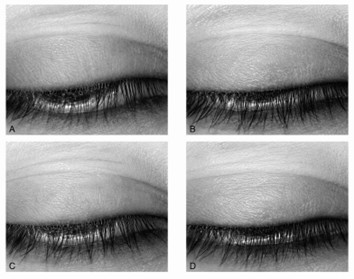
Figure 1: This image shows the incomplete blinking.
Image Courtesy: Created by the Author
Why Blinking Truly Matters
Blinking keeps the eyes moist, removes dust and allergens, protects against infection through antibacterial tear components, gives brief rest to eye muscles, and maintains clear vision. Though often overlooked, blinking is a quiet guardian of our eyesight.
In a world dominated by screens and constant focus, remembering to blink may be one of the simplest yet most powerful ways to protect our eyes. (3)
Conclusion
Blinking is a simple but essential function that helps maintain healthy eyes and clear vision. It protects the ocular surface, spreads the tear film evenly, and prevents dryness and infection. As screen use increases, maintaining a normal blink pattern and practicing conscious blinking are important for preserving long-term eye health.
References
- Basak SK. Essentials of Ophthalmology. 8th ed. New Delhi: Jaypee Brothers Medical Publishers; 2024.
- Healthline Editorial Team. Excessive eye blinking: causes, diagnosis, treatment and more [Internet]. Healthline; [cited 2026 Aug 19]. Available from: https://www.healthline.com/health/eye-health/eye-blinking
- PrepLadder. Blinking of eye: types, uses, causes, diagnosis and treatment [Internet]. PrepLadder; [cited 2026 Aug 19]. Available from: https://www.prepladder.com/neet-pg-study-material/ophthalmology/blinking-of-eye-types-uses-causes-diagnosis-and-treatment
- Blue Fin Vision Team. What causes reduced blinking? [Internet]. Blue Fin Vision; 2025 Dec 12 [cited 2026 Aug 19]. Available from: https://bluefinvision.com/knowledge-base/topics/symptoms-signs/what-causes-reduced-blinking/
About the Author

Partha Kumar Das
B. Optom Student,
Recent Comments